When you wake up early to exercise, push through a difficult project, resist a tempting food, or pursue a long-term goal despite short-term discomfort, you are running on dopamine. Not the dopamine of pleasure—that is a popular but incomplete characterization—but the dopamine of anticipation, motivation, and goal-directed behavior.
The Molecule Behind Every Goal You've Ever Achieved
When you wake up early to exercise, push through a difficult project, resist a tempting food, or pursue a long-term goal despite short-term discomfort, you are running on dopamine. Not the dopamine of pleasure - that is a popular but incomplete characterization - but the dopamine of anticipation, motivation, and goal-directed behavior.
The neuroscientist Wolfram Schultz's landmark research showed that dopamine neurons do not fire most strongly when a reward is delivered - they fire most strongly to the predictive cues that signal an upcoming reward, and they are suppressed when an expected reward fails to materialize. Dopamine is the brain's prediction error signal: the neurochemical representation of the difference between what you expected and what you got.
This distinction has profound clinical implications: dopaminergic dysfunction does not primarily manifest as inability to experience pleasure - it manifests as anhedonia, amotivation, and the collapse of goal-directed behavior - the inability to initiate and sustain effort toward future rewards. And this dysfunction is epidemic in modern adults.
Dopamine Synthesis: From Tyrosine to Neurotransmitter
Dopamine synthesis follows a two-step enzymatic pathway within dopaminergic neurons (primarily in the substantia nigra and ventral tegmental area):
Step 1: Tyrosine → L-DOPA- Enzyme: Tyrosine Hydroxylase (TH) - the rate-limiting step of dopamine synthesis
- Cofactor: Tetrahydrobiopterin (BH4) - also required by eNOS (cardiovascular connection)
- Co-substrate: Molecular oxygen (O₂)
- Regulatory mechanism: TH is end-product inhibited by dopamine (auto-regulation); upregulated by PKA (cAMP-dependent) and PKC
- Enzyme: DOPA Decarboxylase (DDC) / Aromatic L-amino acid decarboxylase (AAAD)
- Cofactor: Pyridoxal-5'-phosphate (Vitamin B6)
- Synthesized dopamine is packaged into vesicles by VMAT2 (Vesicular Monoamine Transporter 2)
- Released into the synapse by Ca²⁺-dependent vesicle fusion
- Cleared from the synapse by DAT (Dopamine Transporter) reuptake and MAO-B/COMT degradation
Tyrosine/phenylalanine
Lab Verified ActiveDietary substrates (high in protein-rich foods)
Iron
Hemoglobin Oxygen CarrierTH requires Fe²⁺ at its active site (iron deficiency reduces TH activity → reduced dopamine)
Vitamin B6
Lab Verified ActiveDDC cofactor (B6 deficiency impairs L-DOPA → dopamine conversion)
BH4
DNA Synthesis CofactorRate-limiting co-factor (folate, riboflavin required for BH4 regeneration)
The Dopaminergic Pathways: Four Circuits
Dopamine exerts distinct cognitive effects depending on which neural pathway it is acting in:
| Pathway | Origin → Target | Primary Function | Dysfunction Consequence |
|---|---|---|---|
| Mesolimbic | VTA → Nucleus accumbens, amygdala | Reward, motivation, pleasure anticipation | Anhedonia; addiction; ADHD |
| Mesocortical | VTA → Prefrontal cortex | Executive function, working memory, cognitive control | ADHD; depression; schizophrenia |
| Nigrostriatal | Substantia nigra → Striatum | Motor control, habit formation | Parkinson's disease; movement disorders |
| Tuberoinfundibular | Hypothalamus → Pituitary | Prolactin inhibition; neuroendocrine control | Hyperprolactinemia; sexual dysfunction |
D1 vs. D2 Receptors: Direct vs. Indirect Pathway
Dopamine acts through five receptor subtypes (D1-D5), but the D1/D2 distinction is the most clinically important:
D1-Type Receptors (D1, D5)
- G-protein coupling: Gs → stimulates adenylyl cyclase → cAMP↑ → PKA activation
- Location: Striatum, PFC, limbic system
- Function: Mediates the direct pathway of the basal ganglia → facilitates movement and goal-directed behavior
- BDNF interaction: D1 activation promotes BDNF expression via CREB → synaptic potentiation
- Clinical relevance: D1 agonism in the PFC is the primary mechanism of cognitive enhancement by dopaminergic agents
D2-Type Receptors (D2, D3, D4)
- G-protein coupling: Gi → inhibits adenylyl cyclase → cAMP↓ → reduced PKA activity
- Location: Striatum, limbic system, pituitary, presynaptic autoreceptors
- Function: Mediates the indirect pathway → braking function on movement; presynaptic autoreceptors regulate dopamine release (high D2 autoreceptor sensitivity → reduced dopamine output → low motivation state)
- Clinical relevance: Antipsychotics primarily block D2; addiction involves D2 downregulation; high D2 receptor density correlates with greater stress resilience
Reward Circuit Dysregulation: The Modern Epidemic
How Chronic Stress Depletes Dopamine
The HPA axis and dopaminergic system are reciprocally connected:
- Acute stress activates VTA dopamine neurons (via CRF/CRH signaling) → acute dopamine release (explains stress-induced craving)
- Chronic stress → persistently elevated corticosterone/cortisol → GR activation in VTA neurons → TH expression suppression → reduced dopamine synthesis capacity
- Chronic cortisol also increases MAO-A expression → accelerated dopamine degradation
- Result: Chronically stressed individuals have reduced basal dopamine tone → anhedonia, amotivation, brain fog despite adequate environmental stimulation
The Ultra-Processed Food/Social Media Dopamine Trap
Supranormal dopamine stimuli (high-fat/sugar foods, gambling, social media notifications, pornography) produce dopamine spikes 2-10× above what natural rewards generate. The brain responds by:- D2 receptor downregulation (reduced sensitivity - requires more stimulus for same dopamine response)
- DeltaFosB accumulation (a transcription factor that permanently increases stimulus-seeking and reduces sensitivity to natural rewards)
- Prefrontal cortex connectivity reduction (impaired inhibitory control over limbic dopamine urges)
This is the biochemical mechanism of all addictions - and it operates identically with ultra-processed food and compulsive technology use.
Natural Dopamine Optimization Strategies
Precursor Support
| Nutrient | Role | Sources |
|---|---|---|
| L-Tyrosine | Direct dopamine precursor; crosses BBB via LAT1 | Supplemental (500-2000 mg); meat, eggs, dairy |
| Phenylalanine | Precursor to tyrosine (via PAH enzyme) | Dietary protein |
| Iron | TH active site cofactor | Meat, legumes; ferritin > 50 ng/mL optimal |
| Vitamin B6 (P5P) | DDC cofactor for L-DOPA → dopamine | Poultry, fish, potatoes |
| Folate + Riboflavin | BH4 regeneration (cofactor for TH) | Leafy greens, eggs |
| Vitamin C | Dopamine-beta-hydroxylase cofactor (norepinephrine synthesis, but spares dopamine) | Citrus, bell peppers |
Receptor Sensitivity Restoration
- Dopamine detox (stimulus reduction): Voluntary abstinence from supranormal stimuli for 30-90 days progressively restores D2 receptor density
- Exercise (especially HIIT): Increases striatal D2 receptor expression; increases COMT activity (prevents prefrontal dopamine excess); increases VTA BDNF
- Mucuna pruriens (Velvet Bean): Contains 4-6% L-DOPA; the only botanical with direct dopamine precursor effect; multiple clinical trials in Parkinson's disease; also improves testosterone and LH
- Rhodiola Rosea: MAO-A/B inhibitor; reduces dopamine degradation; reduces stress-induced dopamine depletion; improves mental fatigue
Microglial Neuroinflammation and Dopamine
Neuroinflammation directly suppresses dopamine synthesis through IDO activation and kynurenine pathway diversion (shared mechanism with serotonin depletion - see gut-brain axis article). IL-1β and TNF-α reduce TH expression in VTA neurons. Anti-neuroinflammatory interventions (omega-3, curcumin, NLRP3 inhibitors) therefore have dopaminergic enhancement potential beyond their direct anti-inflammatory effects.
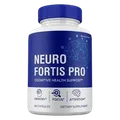
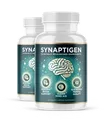
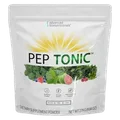
NeuroFortis provides the Lion's Mane/Bacopa/DHA matrix that simultaneously reduces neuroinflammatory TH suppression and supports the BDNF-D1 positive feedback loop in the prefrontal cortex. Synaptigen addresses the synaptic machinery that dopamine signaling requires. Pep Tonic targets the chronic cortisol-driven TH suppression and MAO upregulation that are the primary mechanism of stress-induced amotivation.Conclusion
Dopamine is the molecule of motivation, anticipation, and goal-directed behavior - not merely pleasure. Its synthesis is nutritionally gated (tyrosine, iron, B6, BH4); its receptor sensitivity is modulated by chronic stress, ultra-processed food exposure, and neuroinflammation; and its circuit-level function determines whether an individual can marshal the executive resources to pursue long-term goals.
The epidemic of motivation disorders, ADHD, and anhedonia in modern adults is not a character flaw - it is the predictable consequence of a dopaminergic system chronically battered by stress-driven TH suppression, supranormal stimulus-driven D2 downregulation, and neuroinflammatory disruption of catecholamine synthesis.
Restoring dopaminergic tone through precursor support, stimulus normalization, anti-inflammatory intervention, and physical exercise is mechanistically coherent with the neurobiology of motivation and represents the evidence-based foundation of cognitive vitality.
For the stress-driven cortisol mechanism that suppresses dopamine synthesis, see: cortisol-insulin-axis-hpa-metabolic-dysregulation. For the gut-derived tryptophan-kynurenine competition with dopamine precursors, see: gut-brain-axis-enteric-nervous-system-serotonin-microbiome.
Scientific References & Validation
Full citations with PMID links, methodology notes & evidence ratings on puresupphub.com