There is a clinical reality that medical research has established with considerable clarity but that mainstream health conversations rarely address directly: male sexual health is, at its biochemical core, a vascular and endothelial health issue. The ability of the male reproductive system to respond to arousal, maintain function, and sustain vitality is directly dependent on the integrity of the blood vessels serving the pelvic region—particularly the penile arteries, the cavernous sinuses, and the pudendal vascular network.
There is a clinical reality that medical research has established with considerable clarity but that mainstream health conversations rarely address directly: male sexual health is, at its biochemical core, a vascular and endothelial health issue. The ability of the male reproductive system to respond to arousal, maintain function, and sustain vitality is directly dependent on the integrity of the blood vessels serving the pelvic region - particularly the penile arteries, the cavernous sinuses, and the pudendal vascular network.
When these vessels develop endothelial dysfunction, when nitric oxide production declines, when atherosclerotic plaque narrows arterial lumens, or when the autonomic nervous signals regulating vascular tone degrade - the consequences for male sexual function are both biologically predictable and clinically measurable. Understanding this vascular-sexual axis is essential for any man seeking to address vitality challenges after 40 with something more substantive than temporary symptomatic relief.
The Vascular Biology of Male Sexual Function
Sexual response in men requires a precise sequence of vascular events within seconds of arousal:
- The central and peripheral nervous system releases nitric oxide (NO) from penile parasympathetic nerve endings.
- NO diffuses into the smooth muscle cells of the corpora cavernosa and activates the enzyme guanylate cyclase.
- Guanylate cyclase converts GTP to cGMP - a signaling molecule that causes smooth muscle relaxation.
- Smooth muscle relaxation allows the cavernous arteries to dilate and engorge the corpora cavernosa with blood.
- Venous outflow is mechanically restricted by the expanding corpus cavernosum compressing the emissary veins.
- Blood pressure within the corpora rises to levels sufficient for functional rigidity.
Every step of this cascade depends on vascular health. Endothelial cells lining the blood vessels must produce adequate nitric oxide. Smooth muscle cells must be responsive to NO/cGMP signals. Arterial walls must be sufficiently elastic to dilate rapidly and fully. The venous drainage occlusion mechanism must function correctly.
After 40, each of these components is progressively compromised by the same factors that drive cardiovascular disease: endothelial dysfunction, oxidative stress, chronic inflammation, testosterone decline, and autonomic nervous system aging.
The Nitric Oxide Deficit: The Central Vascular Problem After 40
Nitric oxide is produced by the enzyme endothelial nitric oxide synthase (eNOS) in the cells lining blood vessels. eNOS activity depends on adequate levels of its substrate (L-arginine), its cofactors (BH4, zinc, FAD, FMN), and the cellular antioxidant capacity to prevent NO from being quenched by superoxide radicals before it can signal smooth muscle relaxation.
After 40, three parallel processes degrade NO bioavailability:
Reduced eNOS expression: Aging endothelial cells produce less eNOS protein, reducing the ceiling for NO synthesis regardless of substrate availability. Elevated oxidative stress: Superoxide radicals (produced in increasing quantities by aging mitochondria and chronic inflammatory signaling) react with NO to form peroxynitrite - an inactive and actually toxic compound. This "NO scavenging" is one of the primary reasons that L-arginine supplementation alone is often insufficient to restore NO function. Accumulation of ADMA (Asymmetric Dimethylarginine): ADMA is an endogenous inhibitor of eNOS that accumulates with aging, metabolic syndrome, and chronic kidney dysfunction. Elevated ADMA directly competes with L-arginine for eNOS binding, suppressing NO production at the enzyme level.The consequence is a vicious cycle: reduced NO leads to increased vasoconstriction, reduced blood flow, increased platelet aggregation, and greater endothelial inflammation - which further suppresses eNOS activity and reduces NO production.
Testosterone and Vascular Health: The Bidirectional Relationship
Testosterone is commonly understood as the "libido hormone" - the chemical signal that generates desire. This understanding is correct but incomplete. Testosterone also directly modulates vascular biology in ways that profoundly influence sexual function:
- Testosterone upregulates eNOS expression in endothelial cells, supporting NO production.
- It reduces the expression of vasoconstrictors (endothelin-1) in penile vascular tissue.
- It promotes the sensitivity of smooth muscle cells to NO/cGMP signaling.
- It maintains the density and responsiveness of androgen receptors in the cavernous smooth muscle.
Conversely, endothelial dysfunction and poor pelvic blood flow create a microenvironment of oxidative stress that accelerates testicular Leydig cell dysfunction - reducing testosterone production and creating a feedback loop of declining vascular health and hormonal output.
Lifestyle Interventions That Restore Male Vascular Function
L-Arginine-Rich Dietary Choices
Foods high in L-arginine - the direct substrate for NO synthesis - include watermelon (which also contains L-citrulline, a more effective NO precursor), pumpkin seeds, lean meats, legumes, and nuts. L-citrulline is preferred over direct L-arginine supplementation because it bypasses first-pass hepatic metabolism and is more efficiently converted to L-arginine in the kidneys, producing higher and more sustained plasma L-arginine levels.
Resistance Training and Pelvic Floor Activation
Both resistance training (which produces NO as a byproduct of shear stress in exercising muscle vasculature) and specific pelvic floor exercises improve blood flow to the pelvic region and support the structural integrity of the vascular and neuromuscular components of male sexual function. Clinical evidence supports pelvic floor rehabilitation as a first-line intervention for vascular-origin male health concerns.
Eliminating Endothelial Toxins
Tobacco use - including low-tar cigarettes and vaping - produces nicotine and acrolein, both of which directly damage endothelial cells, suppress eNOS activity, and accelerate ADMA accumulation. The endothelial improvement following smoking cessation is measurable within weeks, and significant vascular recovery has been documented within 12 months of quitting.
What is Aizen Power and What is It For?
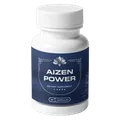
Aizen Power is a botanical and nutritional formula designed to address the multi-factorial vascular, hormonal, and oxidative drivers of male vitality decline after 40. The formula targets the NO synthesis pathway, supports testosterone precursor availability, and provides antioxidant protection to preserve NO bioavailability in the penile vascular tissue. Milk Thistle (Silybum marianum) for Hormonal Detoxification SupportSilymarin - the active flavonoid complex in milk thistle - supports hepatic detoxification pathways that clear estrogen metabolites and SHBG-promoting compounds from circulation. By supporting liver function, it helps maintain a more favorable free testosterone-to-estrogen ratio in aging men.
Korean Red Ginseng (Panax ginseng) for eNOS Activation and Adaptogenic SupportKorean Red Ginseng ginsenosides (specifically Rg1, Rb1, and Re) have demonstrated direct activation of eNOS in endothelial cells through multiple mechanisms, including upregulation of eNOS gene expression and activation of the PI3K/Akt signaling pathway. Multiple double-blind, placebo-controlled trials have validated Korean Red Ginseng's efficacy in supporting male sexual function scores.
Zinc for Testosterone Precursor and Aromatase InhibitionZinc is an essential cofactor for the enzymes responsible for testosterone biosynthesis in Leydig cells, and it functions as a natural inhibitor of aromatase - the enzyme that converts testosterone to estrogen. Zinc deficiency is among the most common nutritional deficiencies in men over 40 and is directly associated with reduced total and free testosterone levels.
Cayenne Pepper (Capsaicin) for Microvascular ThermogenesisCapsaicin activates TRPV1 (transient receptor potential vanilloid 1) receptors in vascular endothelial cells, stimulating NO release and promoting vasodilation. It also supports the opening of blood flow through pelvic microvascular beds - improving the circulatory environment critical for sexual vascular response.
Hawthorn Berry for Endothelial Antioxidant ProtectionHawthorn berry (Crataegus monogyna) provides oligomeric proanthocyanidins (OPCs) that scavenge the superoxide radicals responsible for quenching NO in endothelial tissue. By reducing the rate of NO degradation, hawthorn effectively extends the active lifetime of endogenously produced NO - amplifying the vasodilatory effect of each NO molecule produced.
How to Take Aizen Power: The Official Protocol
Recommended Daily Dosage and Frequency
The standard protocol is two capsules per day, taken consistently. The vascular and hormonal benefits of the formula are cumulative and require 4-6 weeks of consistent use to become fully apparent as endothelial function progressively restores.
Should Aizen Power Be Taken Before or After Meals?
The formula is best taken with breakfast, immediately after eating. The fat-soluble botanical compounds - including Korean Red Ginseng ginsenosides and the OPC fraction of hawthorn - have improved bioavailability in the presence of dietary fats. Morning administration also aligns with the body's natural testosterone peak (which occurs between 7-9 AM) and allows the formula's hormonal support components to work in concert with the diurnal testosterone rhythm.
Can Aizen Power Be Combined With Exercise?
Yes - and the combination is synergistic. Exercise produces shear stress-induced eNOS activation in the muscles' vascular beds, temporarily elevating systemic NO production. Taking Aizen Power before morning exercise amplifies this NO response by providing the precursor substrate and antioxidant protection necessary to maximize NO bioavailability during peak physical demand.
Expected Results: The Progressive Vascular Restoration Timeline
- Weeks 1-2 (Microcirculation Priming): Korean Red Ginseng and cayenne pepper begin improving pelvic microvascular tone. Some men notice improved morning vitality and energy levels during this initial phase.
- Weeks 3-5 (NO Pathway Restoration): Sustained eNOS activation begins reducing endothelial oxidative stress. Hawthorn's OPC protection extends NO's effective lifespan in vascular tissue.
- Weeks 6-8 (Hormonal Recalibration): Zinc and milk thistle's hepatic support begins improving the free testosterone-to-estrogen ratio. The hormonal and vascular improvements compound each other, producing measurable improvements in male vitality indicators.
Who Should Consult a Physician Before Use?
- Men taking PDE5 inhibitor medications (sildenafil, tadalafil, vardenafil) should consult their physician before using NO-supporting supplements, as the mechanisms overlap and additive vasodilation could occur.
- Those taking blood-pressure medications should monitor blood pressure, as the formula's vasodilatory effects may require medication adjustment.
- Men with active cardiovascular conditions should obtain physician approval before use.
- Pregnant or breastfeeding individuals should not use this formula (not applicable by demographic, but stated for completeness).
Scientific References & Validation
Full citations with PMID links, methodology notes & evidence ratings on puresupphub.com