Mental fatigue, difficulty concentrating, and a subjective feeling of cognitive cloudiness are commonly described as "brain fog." While not a distinct medical diagnosis, brain fog is a prevalent symptom associated with systemic stress, metabolic imbalances, and chronic immune activation. Recent neurological research points to a primary biological driver of this cognitive fog: chronic, low-grade neuroinflammation.
Understanding the Inflammatory Origin of Brain Fog
Mental fatigue, difficulty concentrating, and a subjective feeling of cognitive cloudiness are commonly described as "brain fog." While not a distinct medical diagnosis, brain fog is a prevalent symptom associated with systemic stress, metabolic imbalances, and chronic immune activation. Recent neurological research points to a primary biological driver of this cognitive fog: chronic, low-grade neuroinflammation.
Neuroinflammation is the activation of the brain's innate immune system, primarily mediated by resident macrophages known as microglia. When systemic inflammatory cytokines cross the blood-brain barrier (BBB) or when local cellular stress occurs, microglia shift from a dormant state to an active, pro-inflammatory state. This chronic activation disrupts synaptic communication, reduces neurotransmitter synthesis, and causes the subjective experience of brain fog. To address this issue, clinical solutions must target the biological pathways of microglial activation and support blood-brain barrier integrity.
Microglial Activation States and Cognitive Impact
Microglia are highly dynamic cells that monitor the brain microenvironment. Under normal conditions, they remain in a resting, ramified state, clearing metabolic debris and supporting synaptic connections. However, when triggered by metabolic waste, oxidative stress, or systemic inflammatory cytokines, microglia undergo morphological and functional transitions.
The M1 Pro-inflammatory State
Upon initial activation, microglia enter the M1 phenotype. In this state, they release a cascade of pro-inflammatory cytokines, including tumor necrosis factor-alpha (TNF-alpha), interleukin-1 beta (IL-1 beta), and reactive oxygen species (ROS). While this response is designed to combat acute pathogens, chronic M1 activation causes collateral damage to surrounding neurons. This localized cytokine storm disrupts long-term potentiation - the cellular mechanism underlying memory formation - and decreases mitochondrial ATP production in neurons, leading to mental exhaustion.
The M2 Anti-inflammatory Resolution State
To resolve inflammation, microglia must transition to the M2 phenotype. The M2 state is characterized by the release of anti-inflammatory cytokines (like IL-10) and neurotrophic factors (such as brain-derived neurotrophic factor, or BDNF) that support tissue repair and synaptic restoration. A key clinical goal for clearing brain fog is promoting this transition from the M1 pro-inflammatory state to the M2 resolution state.
Microglial Activation Stages
We can visualize this transition and its impact on neuronal integrity through the stages of microglial activation:
Microglial Activation Stages
- • Activated by systemic stress and blood-brain barrier damage
- • Releases pro-inflammatory cytokines, injuring neuronal membranes
Brain Impact:
Triggers Brain Fog & Cognitive Exhaustion
- • Nootropic cofactors and antioxidants promote resolution
- • Releases neurotrophic factors (BDNF), initiating membrane repair
Brain Impact:
Secures Neuroprotection & Mental Clarity
When an inflammatory trigger shifts microglia into the M1 state, the resulting release of pro-inflammatory cytokines causes neuronal membrane injury. Introducing targeted nootropic cofactors (like plant-derived Phosphatidylserine and cellular antioxidants) helps resolve this process, shifting microglia to the M2 state and securing neuroprotection.
Supporting Blood-Brain Barrier Integrity
The blood-brain barrier (BBB) is a selective semipermeable border of endothelial cells that prevents harmful solutes in the blood from non-selectively crossing into the extracellular fluid of the central nervous system. Endothelial cells are sealed together by tight junction proteins (such as occludin and claudins).
Systemic inflammation - often originating in a leaky gut or driven by high-sugar diets - releases inflammatory molecules into circulation that damage these tight junctions. As BBB permeability increases (a condition referred to as BBB leakage), circulating toxins and pathogens enter the brain parenchyma, directly activating microglia and triggering chronic neuroinflammation.
Vetting clinical solutions for brain fog requires selecting compounds that reinforce these endothelial tight junctions and prevent microglial hyperactivation:
Polyphenols (Resveratrol & Luteolin)
Sirtuin Longevity CompoundThese powerful botanical antioxidants have been shown to downregulate the expression of nuclear factor-kappa B (NF-kB), a primary transcription factor that drives cytokine release. Furthermore, they help protect endothelial tight junctions, preserving BBB integrity.
Grape Seed Extract
Microvascular PolyphenolRich in oligomeric proanthocyanidins (OPCs), Grape Seed Extract supports microvascular circulation and neutralizes free radicals, reducing the oxidative stress that triggers M1 microglial activation.
Phosphatidylserine (PS)
Lab Verified ActiveSupports neuronal membrane structure and repair, ensuring that neurons can recover from cytokine-induced stress.
Direct Sourcing of Vetted Neuro-Protectants
To resolve brain fog and clear cognitive pathways, raw materials must be exceptionally pure and free from contaminants. Purchasing directly from verified laboratory checkouts ensures maximum potency and chain-of-custody security:
Targeted Cytokine Regulation
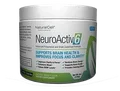
To calm microglial activation and promote the M2 resolution state, Neuroactiv6 delivers a high-potency blend of organic berries, grape seed extract, and active cofactors. Sourcing Neuroactiv6 directly from the official manufacturer portal ensures that the delicate polyphenols remain intact and active, free from the heat damage common in open retail fulfillment centers.
Synaptic Membrane Repair
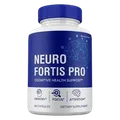
To restore neuronal membranes damaged by chronic inflammation, NeuroFortis utilizes highly purified, plant-derived Phosphatidylserine. Buying NeuroFortis direct guarantees that you receive a fresh batch with activeCFUs and phospholipids, ensuring optimal absorption and crossing of the blood-brain barrier.
Enhanced Cognitive Speed
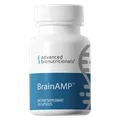
For comprehensive neurotransmitter support, BrainAmp combines standardized Bacopa monnieri with vital brain cofactors. Buying BrainAmp directly from the manufacturer protects your purchase under the official 60-day money-back guarantee, ensuring clinical-grade purity and direct quality auditing.
Clinical Protocol to Clear Brain Fog
To address neuroinflammation systematically, apply this clinical protocol:
- Reduce Inflammatory Inputs: Minimize dietary sugars and processed ingredients that elevate circulating cytokines and compromise the blood-brain barrier.
- Calm Microglial Activation: Supplement with standardized polyphenols (like luteolin and resveratrol) to inhibit the NF-kB pathway.
- Support Synaptic Restoration: Provide essential phospholipids (like plant-derived Phosphatidylserine) to rebuild neuronal membranes.
- Buy Manufacturer-Direct: Secure your supplements directly from GMP-certified facilities to guarantee fresh batches and active ingredients.
By targeting the biological roots of neuroinflammation and reinforcing the blood-brain barrier, you can resolve the underlying drivers of brain fog and restore optimal focus and cognitive clarity.
Clinical References & Peer-Reviewed Studies
Full citations with PMID links, methodology notes & evidence ratings on puresupphub.com