The prostate gland sits far from the intestines anatomically. Yet the biochemical conversation between the gut microbiome and the prostate is now recognized as one of the more consequential and underappreciated relationships in men's health. This connection—increasingly referred to as the gut-prostate axis—operates through at least four distinct pathways: estrogen metabolism, systemic inflammation, androgen modulation, and immune surveillance. Understanding these pathways explains why prostate health cannot be addressed in isolation from digestive and metabolic health.
The prostate gland sits far from the intestines anatomically. Yet the biochemical conversation between the gut microbiome and the prostate is now recognized as one of the more consequential and underappreciated relationships in men's health. This connection - increasingly referred to as the gut-prostate axis - operates through at least four distinct pathways: estrogen metabolism, systemic inflammation, androgen modulation, and immune surveillance. Understanding these pathways explains why prostate health cannot be addressed in isolation from digestive and metabolic health.
The Estrobolome and Prostate Hormone Balance
Among the most clinically significant gut-prostate connections is the estrobolome - the community of gut bacteria that collectively regulate the circulating levels of estrogens in the body. Estrogens are not merely female hormones. Men produce estrogens continuously through the aromatase-mediated conversion of testosterone in fat tissue, liver, and other peripheral sites. These estrogens are normally inactivated in the liver by conjugation (glucuronidation) and excreted in bile into the intestine.
Here, the estrobolome intervenes: certain gut bacteria produce beta-glucuronidase - an enzyme that deconjugates these inactivated estrogen metabolites, reactivating them and allowing them to be reabsorbed into systemic circulation. When beta-glucuronidase-producing bacteria (primarily certain Clostridiales and Bacteroidales species) are overrepresented in the gut microbiome, circulating estrogen levels in men rise - disrupting the testosterone-to-estrogen ratio that governs prostate cell growth regulation.
The clinical consequence of elevated estrogen in men is amplification of estrogen receptor beta (ERβ) signaling in the prostate - a pathway that in excess promotes prostate cell proliferation and has been linked to both BPH progression and inflammatory prostate changes. A dysbiotic microbiome producing excessive estrogen reactivation is therefore contributing directly to the hormonal environment of prostate enlargement.
Gut-Derived Systemic Inflammation and Prostate Tissue
The second pathway connecting gut health to prostate health is systemic inflammation. A compromised intestinal barrier - "leaky gut" - allows bacterial lipopolysaccharides (LPS) and other microbial metabolites to translocate into portal circulation. These endotoxins stimulate Toll-like receptor 4 (TLR4) on immune cells throughout the body, generating a sustained low-grade inflammatory state characterized by elevated circulating TNF-α, IL-6, and IL-1β.
Prostate tissue is particularly sensitive to circulating inflammatory cytokines: TLR4 expression has been documented in prostate epithelial cells, and TNF-α stimulation of prostatic NF-κB signaling promotes both inflammatory cell infiltration and the COX-2-driven prostaglandin synthesis that produces the pain, swelling, and urinary symptoms associated with chronic prostatitis. Research has documented significantly higher levels of LPS-induced TLR4 activation markers in prostate tissue samples from men with BPH compared to controls - suggesting that gut barrier integrity directly shapes prostatic inflammatory tone.
Short-Chain Fatty Acids and Prostatic Immune Regulation
A healthy microbiome produces abundant short-chain fatty acids (SCFAs) - primarily butyrate, propionate, and acetate - through fermentation of dietary fiber. These metabolites exert profoundly anti-inflammatory and immunomodulatory effects throughout the body, including in the prostate. Butyrate, in particular, functions as a histone deacetylase (HDAC) inhibitor - suppressing the expression of inflammatory genes in immune cells and epithelial cells throughout the body.
Declining SCFA production - the consequence of low-fiber Western diets and gut dysbiosis - removes this systemic anti-inflammatory brake, allowing prostatic inflammation to proceed with less regulatory restraint. Multiple epidemiological studies have documented inverse relationships between dietary fiber intake (a proxy for colonic SCFA production) and prostate inflammation markers, BPH severity, and prostate cancer risk.
What is Fluxactive Complete and What is It For?
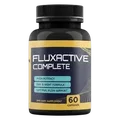
Fluxactive Complete is a comprehensive prostate and reproductive health formula that takes the broader systems approach that isolated prostate supplements miss. By simultaneously addressing the hormonal, inflammatory, and vascular drivers of prostate dysfunction - including the gut-mediated pathways - it provides more complete support for prostate health than formulas targeting only DHT or inflammation in isolation. Chinese Ginseng (Panax ginseng) for Androgenic Balance and Prostate Immune ModulationGinsenosides modulate androgen receptor signaling in prostate cells, supporting the balance between androgenic stimulation and growth regulation. Clinical research has documented Korean Red Ginseng's ability to improve urinary symptom scores in BPH patients through both anti-inflammatory and smooth muscle relaxant mechanisms.
Vitamin E Complex (Mixed Tocopherols and Tocotrienols) for Prostatic Oxidative DefenseThe prostate accumulates exceptionally high concentrations of reactive oxygen species during inflammatory episodes. Mixed tocopherols - particularly gamma-tocopherol (which scavenges nitrogen radical species that alpha-tocopherol cannot) - provide the most complete prostatic antioxidant protection of any vitamin E fraction. Tocotrienols additionally modulate mevalonate pathway activity relevant to prostate cell proliferation signaling.
Cayenne and Ginkgo for Pelvic Microvascular SupportPelvic venous congestion is a primary driver of both prostatic inflammation and erectile dysfunction in men with BPH. Ginkgo biloba's vasodilatory effects on pelvic microvascular beds and cayenne's TRPV1-mediated local blood flow stimulation address this circulatory component directly - improving oxygen delivery to the prostate and facilitating immune cell access to inflamed tissue.
Damiana (Turnera diffusa) for Prostate-Bladder Axis SupportDamiana has traditional use in male reproductive health and has demonstrated relaxant effects on smooth muscle in the bladder neck and proximal urethra - reducing the voiding obstruction that produces the high-pressure urination dynamics that worsen BPH symptoms. Its mild anti-inflammatory and antioxidant activity in urological tissue complements the formula's broader anti-inflammatory strategy.
Oat Straw (Avena sativa) Extract for Testosterone BioavailabilitySHBG (sex hormone-binding globulin) binds free testosterone, making it unavailable for tissue utilization. Oat straw extract contains avenacosides that modulate SHBG binding affinity, potentially increasing the fraction of bioavailable free testosterone - supporting the testosterone-to-estrogen ratio that governs prostate growth regulation.
How to Take Fluxactive Complete: The Official Protocol
Recommended Daily Dosage and Frequency
The standard protocol is two capsules per day, taken consistently with meals. The vascular and hormonal components operate through cumulative pathways that require 4-8 weeks to reach functional effectiveness.
Should Fluxactive Complete Be Taken Morning or Evening?
Split dosing is recommended for this formula: one capsule with breakfast and one capsule with dinner. This maintains more consistent circulating levels of the lipophilic botanical actives throughout the day and aligns the evening dose with the period of highest prostate-related urinary symptoms (nighttime nocturia).
What Results Can Be Expected?
- Weeks 2-3: Improved pelvic circulation from Ginkgo and cayenne reduces pelvic heaviness and nighttime urinary urgency
- Weeks 4-6: DHT and estrogen balance improvements reduce the hormonal stimulation of prostate growth
- Weeks 6-10: Cumulative reduction in prostate inflammatory burden produces sustained improvements in urinary flow, post-void residual volume, and overall pelvic comfort
Who Should Consult a Physician Before Use?
- Men on PSA monitoring or prostate cancer surveillance should inform their physician before use
- Those taking anticoagulants should be cautious with Ginkgo-containing formulas
- Individuals taking blood pressure medications should monitor for additive vasodilatory effects
Scientific References & Validation
Full citations with PMID links, methodology notes & evidence ratings on puresupphub.com