The human gastrointestinal tract is a paradox. It must be permeable enough to absorb vital nutrients and water, yet impermeable enough to keep out trillions of commensal bacteria, dietary antigens, and environmental toxins. This delicate balance is maintained by a single layer of epithelial cells.
The Intestinal Barrier: A Delicate Frontier
The human gastrointestinal tract is a paradox. It must be permeable enough to absorb vital nutrients and water, yet impermeable enough to keep out trillions of commensal bacteria, dietary antigens, and environmental toxins. This delicate balance is maintained by a single layer of epithelial cells.
Between these cells are complex protein structures called Tight Junctions (TJs). These junctions act as selective gates, strictly regulating what passes from the lumen of the gut into the systemic bloodstream. When these gates fail, a condition known clinically as Increased Intestinal Permeability - colloquially called "Leaky Gut" - occurs.
The Mechanism of Permeability: Zonulin
The opening and closing of tight junctions is not passive; it is an active biochemical process regulated primarily by a protein called Zonulin.
Modern lifestyles introduce several aggressive triggers that cause the intestinal lining to overproduce zonulin. The two most prominent clinical triggers are:
- Gliadin: A protein component of gluten found in modern wheat.
- Dysbiosis: An imbalance in the gut microbiome, particularly the overgrowth of pathogenic, endotoxin-producing bacteria.
When zonulin levels spike, it binds to specific receptors on the epithelial cells, triggering an intracellular cascade that causes the tight junctions to mechanically pull apart, breaking the intestinal barrier.
Metabolic Endotoxemia: The Systemic Fire
Once the barrier is broken, the contents of the gut leak directly into the underlying mucosal immune system and, subsequently, into the systemic circulation.
The most dangerous of these leaked molecules is Lipopolysaccharide (LPS), a structural component of gram-negative bacterial cell walls. LPS is a highly potent endotoxin. When LPS enters the bloodstream - a state known as Metabolic Endotoxemia - it binds to Toll-Like Receptors (TLR4) on immune cells throughout the entire body.
This triggers a massive, systemic release of pro-inflammatory cytokines (like TNF-α and IL-6). This chronic, low-grade systemic inflammation is the underlying driver of numerous metabolic and autoimmune conditions, including insulin resistance, Hashimoto's thyroiditis, rheumatoid arthritis, and severe brain fog.
Clinical Takeaway
Systemic inflammation and autoimmune conditions cannot be resolved without first "sealing the gut."
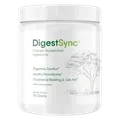
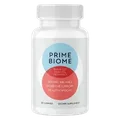
To repair this barrier, you must address the dysbiosis driving the zonulin release. Formulations like PrimeBiome help to restore a healthy microbial balance, suppressing the endotoxin-producing pathogens. Simultaneously, utilizing targeted gut-support formulas like DigestSync provides the specific amino acids (like L-Glutamine) and botanical mucilages required to physically rebuild the tight junctions and heal the inflamed epithelial lining.
Why Digestive And Immune System Needs Daily Support
The gut houses 70% of the immune system and directly influences systemic inflammation through the gut-immune axis. Dysbiosis - an imbalance of pathogenic vs. beneficial bacteria - is linked to a broad range of conditions from metabolic syndrome to cognitive decline.
Understanding this biological process helps explain why targeted daily support - not just isolated dietary improvements - is necessary for consistent results.
Scientific References & Validation
Full citations with PMID links, methodology notes & evidence ratings on puresupphub.com