Peripheral neuropathy affects approximately 20 million Americans—and the majority of them receive the same inadequate explanation: "your nerves are damaged, it's probably from diabetes or aging, there's not much to be done." This response reflects the historical medical pessimism around nerve damage: unlike most tissues in the body, peripheral nerves were long assumed to regenerate poorly if at all. Modern neuroscience has significantly revised this picture.
Peripheral neuropathy affects approximately 20 million Americans - and the majority of them receive the same inadequate explanation: "your nerves are damaged, it's probably from diabetes or aging, there's not much to be done." This response reflects the historical medical pessimism around nerve damage: unlike most tissues in the body, peripheral nerves were long assumed to regenerate poorly if at all. Modern neuroscience has significantly revised this picture.
Peripheral nerve fibers - particularly the small unmyelinated C-fibers and thinly myelinated Aδ-fibers that carry temperature and pain signals - do regenerate. They do so continuously throughout life under normal conditions. The problem in neuropathy is not regenerative incapacity; it is that the biological conditions that normally support regeneration (adequate blood flow, sufficient neurotrophic growth factors, low oxidative burden, normal glucose metabolism) have been systematically degraded by the underlying conditions causing the nerve damage in the first place.
Understanding what is actually happening in the peripheral nervous system - and what conditions must be restored for regeneration to proceed - changes the entire therapeutic calculus.
The Four Biological Mechanisms of Peripheral Nerve Damage
1. Glucotoxicity and Advanced Glycation End Products (AGEs)
Peripheral nerves are among the most vulnerable tissues to hyperglycemia-induced damage. The mechanisms are multiple and compounding:
Polyol Pathway Activation: When glucose concentrations exceed the capacity of normal glycolytic metabolism, the enzyme aldose reductase converts glucose to sorbitol. Sorbitol cannot cross cell membranes and accumulates intracellularly in Schwann cells (which produce the myelin sheath around nerve fibers) and endothelial cells. This osmotic accumulation disrupts Schwann cell function, reduces myelin production, and depletes cellular myo-inositol - a second messenger critical for normal nerve conduction velocity. Advanced Glycation End Products (AGEs): Chronically elevated glucose spontaneously attaches to proteins and lipids through non-enzymatic glycation - the same process that creates HbA1c. The resulting AGEs accumulate in nerve myelin sheaths, nerve fiber basal laminae, and endoneurial microvascular walls - cross-linking structural proteins, activating the receptor for AGEs (RAGE), and triggering neuroinflammatory cascades that progressively destroy nerve fibers. Protein Kinase C Activation: Elevated intracellular diacylglycerol (DAG) from hyperglycemia activates Protein Kinase C β isoforms - enzymes that impair endoneurial blood flow by reducing nitric oxide synthesis and increasing endothelin production in the microvessels supplying peripheral nerves.2. Endoneurial Ischemia: The Vascular Component
Each peripheral nerve is supplied by a network of tiny blood vessels called the vasa nervorum - the "blood vessels of the nerve." These vessels deliver oxygen and glucose to the axons and Schwann cells that generate the myelin sheath. When vasa nervorum are compromised - through the same atherosclerotic and endothelial dysfunction mechanisms that drive cardiovascular disease - the result is endoneurial ischemia: oxygen and nutrient deprivation at the level of the nerve fiber itself.
The pattern of nerve damage from endoneurial ischemia follows a length-dependent distribution - the longest nerves suffer first, because the vascular supply to their distal segments has the most distance to travel and the least redundancy. This is why neuropathic symptoms begin in the feet and hands (the most distal nerve territories) and progress proximally - a "stocking-glove" distribution that is the clinical hallmark of peripheral vascular neuropathy.
3. Neurotrophin Deprivation
Peripheral nerve fibers depend on continuous neurotrophic support - primarily from Nerve Growth Factor (NGF), Brain-Derived Neurotrophic Factor (BDNF), and Neurotrophin-3 (NT-3) - for their survival, maintenance, and regenerative capacity. These growth factors are produced by target tissues (skin, muscle) and transported retrogradely along the axon to the neuronal cell body in the dorsal root ganglion.
In both diabetic neuropathy and aging-related neuropathy, NGF production in target tissues declines. Without adequate NGF retrograde transport, the small-fiber sensory neurons that subserve pain and temperature sensation undergo apoptosis - producing the "dying back" pattern of neuropathy in which small-fiber density in the skin progressively decreases, reducing protective sensation and thermal discrimination.
4. Oxidative Stress in Axons and Schwann Cells
The high metabolic rate of axonal signal conduction generates significant ROS, which under normal conditions are neutralized by the antioxidant systems within axons and Schwann cells. In neuropathic conditions - particularly hyperglycemia-related neuropathy - ROS production overwhelms antioxidant capacity, leading to mitochondrial dysfunction within nerve cells and progressive axonal atrophy. Oxidative damage to the mitochondrial respiratory chain in Schwann cells reduces the ATP availability required for myelin synthesis and repair.
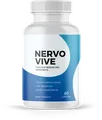
What is Nervovive and What is It For?
Nervovive is a targeted nerve health formula designed to address all four biological mechanisms of peripheral nerve damage - providing the metabolic, vascular, antioxidant, and neurotrophin-supporting conditions necessary for peripheral nerve fiber recovery and protection. Alpha-Lipoic Acid (ALA, 600mg) for Neuropathic Oxidative RescueALA is the most extensively researched and clinically validated nutritional intervention for peripheral neuropathy. As both a water-soluble and fat-soluble antioxidant capable of regenerating vitamins C and E and directly scavenging reactive oxygen and nitrogen species within nerve cells, ALA provides broad intracellular antioxidant protection that no single-phase antioxidant can match. Multiple randomized controlled trials using intravenous and oral ALA have documented significant improvements in neuropathic pain scores, sensory threshold measurements, and nerve conduction velocity in diabetic peripheral neuropathy patients. The formula provides 600mg - the dose used in the NATHAN I clinical trial.
Benfotiamine (B1 as Fat-Soluble Thiamine) for Polyol and AGE Pathway BlockadeBenfotiamine is a lipophilic derivative of thiamine (vitamin B1) that accumulates in nerve tissue at concentrations 5-7 times higher than standard thiamine supplementation. At these concentrations, benfotiamine activates the pentose phosphate pathway in nerve cells - redirecting glucose metabolites away from the damaging polyol pathway and AGE production routes. Clinical trials have documented benfotiamine's ability to reduce nerve conduction velocity deterioration and decrease serum AGE levels in patients with diabetic neuropathy.
Methylcobalamin (B12, Active Form) for Axonal Myelin RegenerationMethylcobalamin - the neurologically active form of vitamin B12 - is the cofactor for methionine synthase, the enzyme responsible for myelin basic protein methylation in Schwann cells. Without adequate methylcobalamin, Schwann cells cannot maintain normal myelin production, and axonal remyelination after injury is severely impaired. Clinical research has documented methylcobalamin's ability to improve sensory nerve action potential amplitudes and reduce neuropathic pain scores beyond what is achievable with standard cyanocobalamin B12 supplementation.
Acetyl-L-Carnitine (ALCAR, 500mg) for Neurotrophin Support and Mitochondrial Nerve MetabolismALCAR has demonstrated the remarkable ability to directly support NGF synthesis in peripheral target tissues and to enhance axonal transport efficiency - addressing the neurotrophin deprivation component of nerve damage that pharmaceutical interventions typically ignore. Clinical trials in diabetic and HIV-related neuropathy have documented ALCAR's ability to reduce neuropathic pain scores and improve nerve fiber density in skin punch biopsy specimens - objective evidence of small-fiber regeneration.
Pyridoxal-5-Phosphate (B6 Active Form) for Endoneurial Vascular SupportP5P - the bioactive coenzyme form of B6 - is required for the synthesis of cystathionine beta-synthase and cystathionine gamma-lyase, enzymes in the transsulfuration pathway that generates hydrogen sulfide (H₂S). H₂S is now recognized as a gasotransmitter with potent vasodilatory and cytoprotective effects in the endoneurial vasculature - directly supporting blood flow to peripheral nerves. P5P also reduces the homocysteine accumulation that promotes endoneurial endothelial dysfunction.
How to Take Nervovive: The Official Protocol
Recommended Daily Dosage and Frequency
The standard protocol is two capsules per day, taken consistently with meals. Nerve fiber regeneration is a slow biological process - the peripheral nervous system remyelinates and regenerates axonal branches at approximately 1-3mm per day under optimal conditions. Consistent daily supplementation over 3-6 months is necessary for meaningful clinical benefit.
Should Nervovive Be Taken Morning or Evening?
Morning administration with breakfast is preferred. ALA has mild insulinomimetic properties that are best utilized during the post-breakfast metabolic window. B-vitamins support energy metabolism throughout the day and are better tolerated with food. ALCAR's mild alertness-supporting effects make morning dosing preferable to avoid potential sleep interference.What Results to Expect Over 90 Days
- Weeks 2-4: Reduction in burning pain intensity as ALA's antioxidant activity reduces the oxidative nerve fiber irritation driving neuropathic pain
- Weeks 4-8: Improved temperature sensation and reduced nighttime tingling as methylcobalamin supports Schwann cell remyelination of recovering fibers
- Weeks 8-12+: Measurable improvement in protective sensation as small-fiber density recovers. Users typically report reduced falls risk awareness, improved tactile discrimination, and reduced dependence on pain medications
Who Should Consult a Physician Before Use?
- Individuals with insulin-dependent diabetes should monitor blood glucose closely, as ALA may modestly improve insulin sensitivity - requiring medication dose adjustment
- Those taking thyroid medications should be aware that ALA may affect thyroid hormone metabolism and levels
- Patients taking chemotherapy agents should consult their oncologist before use
- Pregnant or breastfeeding individuals should not use this formula without medical supervision