The human retina has one of the highest metabolic rates of any tissue in the body, surpassing even the brain. This immense energy demand is primarily driven by the photoreceptors (rods and cones), which require continuous ATP to maintain the "dark current"—the ion flow that allows them to detect light.
The Metabolic Furnace of the Retina
The human retina has one of the highest metabolic rates of any tissue in the body, surpassing even the brain. This immense energy demand is primarily driven by the photoreceptors (rods and cones), which require continuous ATP to maintain the "dark current" - the ion flow that allows them to detect light.
However, the photoreceptors are entirely dependent on a single layer of support cells located directly beneath them: the Retinal Pigment Epithelium (RPE). The RPE is responsible for transporting nutrients, recycling visual pigments, and phagocytizing (eating and digesting) the constantly shedding tips of the photoreceptor outer segments.
Mitochondrial Decline and RPE Senescence
Because of its massive workload, the RPE is incredibly dense with mitochondria. As we age, these mitochondria undergo progressive, cumulative damage, fundamentally driving Age-Related Macular Degeneration (AMD).
- The ROS Burden: The RPE exists in an environment of extreme oxidative stress. It is exposed to continuous light, highly oxygenated blood from the choroid, and the massive production of Reactive Oxygen Species (ROS) generated by its own hyperactive mitochondria.
- Mitochondrial DNA (mtDNA) Damage: Unlike nuclear DNA, mtDNA lacks robust repair mechanisms and is located dangerously close to the site of ROS production. Over decades, mtDNA accumulates mutations, causing the mitochondria to become dysfunctional - producing less ATP and more damaging ROS.
- Cellular Senescence: Starved of ATP and overwhelmed by oxidative damage, the RPE cells enter a state of senescence. They stop functioning properly, failing to digest photoreceptor waste. This leads to the accumulation of drusen (lipid/protein deposits) under the retina - the clinical hallmark of early AMD.
- Photoreceptor Death: When the RPE fails, the photoreceptors above them starve and undergo apoptosis, leading to irreversible central vision loss.
The Role of Mitochondrial Nutrients
Protecting the macula requires more than just blocking blue light; it requires optimizing the bioenergetics of the RPE. The mitochondria need specific nutrients to maintain the electron transport chain and quench internal free radicals.
Clinical Takeaway
Age-related vision loss is, at its core, a disease of cellular energy failure.
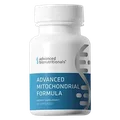
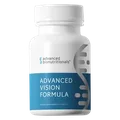
To preserve the macula, you must support the powerhouses of the RPE. Formulations like Advanced Mitochondrial provide systemic metabolic support, optimizing ATP production and cellular bioenergetics. When combined with targeted ocular formulas like Advanced Vision, which deliver lutein, zeaxanthin, and specific antioxidants directly to the retina, you provide the RPE with both the energy it needs to function and the shielding it requires to survive the lifelong onslaught of oxidative stress.
Scientific References & Validation
Full citations with PMID links, methodology notes & evidence ratings on puresupphub.com