Most men learn about the prostate only when it becomes a problem. This delayed awareness is unfortunate, because the prostate gland is not merely a reproductive organ—it is an anatomically central structure whose health or dysfunction radiates consequences into urinary function, sleep architecture, hormonal balance, pelvic blood flow, and even cognitive performance through sleep disruption. By the time symptoms are obvious enough to prompt a physician visit, low-grade prostate inflammation has typically been present and escalating for years.
Most men learn about the prostate only when it becomes a problem. This delayed awareness is unfortunate, because the prostate gland is not merely a reproductive organ - it is an anatomically central structure whose health or dysfunction radiates consequences into urinary function, sleep architecture, hormonal balance, pelvic blood flow, and even cognitive performance through sleep disruption. By the time symptoms are obvious enough to prompt a physician visit, low-grade prostate inflammation has typically been present and escalating for years.
Understanding how prostate inflammation develops, what systemic consequences it produces, and how to address the underlying biological drivers - not just the symptoms - is essential for any man seeking to proactively protect his health after 40.
The Prostate's Anatomy and Its Vulnerability
The prostate is a walnut-sized gland that encircles the urethra at the base of the bladder. It produces seminal fluid components that support sperm motility and viability. This anatomical position - wrapped around the urinary outflow tract - means that any enlargement or inflammation of the gland has immediate and direct consequences for urinary function.
The prostate is supplied by a dense network of pelvic microvascular beds and is richly innervated by both sympathetic and parasympathetic autonomic fibers. This dual vulnerability - to both vascular compromise and neurogenic inflammation - explains why prostate dysfunction is so tightly linked to systemic metabolic and inflammatory health.
The Two Primary Drivers of Prostate Dysfunction After 40
DHT-Driven Glandular Enlargement (BPH)Dihydrotestosterone (DHT) - produced from testosterone by the enzyme 5-alpha reductase within prostate cells - is the primary hormonal driver of prostate growth. Unlike testosterone, DHT binds to androgen receptors in prostate cells with approximately five times greater affinity, stimulating cellular proliferation. As men age and the testosterone-to-estrogen ratio shifts, and as 5-alpha reductase activity changes, DHT accumulation in prostate tissue promotes benign prostatic hyperplasia (BPH) - a progressive enlargement of the gland.
BPH does not cause inflammation directly, but the mechanical obstruction it creates to urinary outflow generates high-pressure voiding dynamics that produce secondary bladder wall hypertrophy, detrusor muscle fatigue, and chronic pelvic tension - all of which contribute to the inflammatory cascade.
Chronic Pelvic Inflammatory SyndromeChronic prostatitis/chronic pelvic pain syndrome (CP/CPPS) - the most common prostate condition in men under 50 - is driven primarily by an inflammatory cycle involving mast cell activation, NGF (nerve growth factor) upregulation, and oxidative damage to prostate epithelial cells. Unlike bacterial prostatitis (which has an identifiable infectious cause), CP/CPPS is a sterile inflammatory condition driven by pelvic ischemia, oxidative stress, dietary triggers, and pelvic floor dysfunction.
The NF-κB inflammatory signaling pathway is centrally involved: once activated in prostate cells, NF-κB upregulates the production of TNF-α, IL-6, IL-8, and COX-2 - a self-perpetuating inflammatory loop that produces pain, tissue swelling, and vascular congestion in the pelvic region.
How Prostate Inflammation Disrupts the Whole Body
Sleep Architecture Destruction
The most immediately disruptive consequence of prostate inflammation for most men is nocturia - the need to urinate multiple times during the night. This is not merely inconvenient. Each nighttime awakening interrupts sleep architecture at a specific stage, and repeated interruptions prevent the body from completing the full 90-minute sleep cycles required for deep sleep (N3) and REM to occur in adequate proportion.
The downstream consequences of chronic sleep fragmentation from nocturia are extensive: suppressed growth hormone secretion, elevated evening cortisol, accelerated hippocampal atrophy, impaired insulin sensitivity, reduced testosterone output, and a measurably elevated risk of cardiovascular events. A man who appears to "just have a prostate problem" is frequently experiencing a systemic health crisis driven by chronic sleep deprivation.
Hormonal Disruption and Testosterone Feedback
The inflammatory cytokines produced in the chronically inflamed prostate - particularly IL-6 and TNF-α - are not contained within the gland. They enter systemic circulation and exert direct suppressive effects on hypothalamic GnRH secretion and testicular Leydig cell testosterone production. This creates a bidirectional dysfunction: declining testosterone worsens DHT-mediated prostate growth, while prostate-generated inflammation suppresses testosterone production further.
Pelvic Vascular Congestion
Chronic prostate inflammation produces persistent pelvic venous congestion - a pooling of venous blood in the pelvic microvascular beds that reduces arterial inflow, impairs lymphatic drainage, and creates a hypoxic, pro-inflammatory microenvironment within the gland. This vascular congestion also contributes to erectile dysfunction by reducing the blood flow available to the cavernous sinuses during sexual arousal.
Natural Interventions That Reduce Prostate Inflammatory Load
Lycopene-Rich Dietary Pattern
Lycopene - the carotenoid pigment responsible for the red color of tomatoes, watermelon, and pink grapefruit - has demonstrated specific antiproliferative and anti-inflammatory activity in prostate tissue in multiple epidemiological and interventional studies. Cooking tomatoes significantly increases lycopene bioavailability (heat breaks down the cell walls releasing the carotenoid) and consuming it with olive oil enhances absorption by providing the necessary lipid vehicle.
Zinc Repletion
The prostate is the body's most zinc-concentrated tissue - healthy prostate cells actively accumulate zinc to concentrations 10-fold higher than other soft tissues. Zinc plays a critical role in regulating prostate cell apoptosis and inhibiting the 5-alpha reductase enzyme responsible for DHT production. Zinc deficiency - common in men consuming Western diets - is associated with both impaired prostate immune function and accelerated BPH progression.
Pelvic Blood Flow Optimization
Regular moderate aerobic exercise (walking, cycling, swimming) and targeted pelvic floor exercises improve pelvic microvascular perfusion, reduce venous stasis, and lower systemic inflammatory markers. Even 30 minutes of daily brisk walking has been shown to reduce both urinary symptom scores and systemic IL-6 levels in men with BPH.
What is ViriFlow and What is It For?
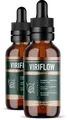
ViriFlow is a targeted botanical formula designed to address the multi-factorial biological drivers of prostate inflammation and urinary dysfunction - working simultaneously at the hormonal (DHT regulation), inflammatory (NF-κB pathway), and vascular (pelvic microcirculation) levels. Saw Palmetto Berry Extract (Standardized to 85% Fatty Acids) for Dual 5-AR InhibitionSaw palmetto (Serenoa repens) is the most clinically validated botanical for prostate health, with over 30 randomized controlled trials supporting its efficacy for BPH symptom reduction. Its lipophilic fatty acid fraction inhibits both type I and type II 5-alpha reductase isoforms - reducing intraprostatic DHT accumulation without the sexual side effects associated with pharmaceutical 5-AR inhibitors. The formula uses a high-potency extract standardized to 85% fatty acids for clinical-grade consistency.
Pygeum Africanum Bark Extract for Bladder Tone and Urinary FlowPygeum (Prunus africana) bark extract contains phytosterols and pentacyclic triterpenoids that reduce prostatic inflammation, inhibit prolactin-mediated prostate growth signaling, and improve bladder detrusor muscle tone. Clinical research has demonstrated improvements in urinary flow rate, reduction in post-void residual volume, and decreased nocturia frequency in men taking standardized pygeum extract.
Stinging Nettle Root (Urtica dioica) for SHBG ModulationNettle root contains lectins and polysaccharides that bind to sex hormone-binding globulin (SHBG), reducing its binding to testosterone receptors in prostate cells and potentially reducing the hormonal stimulation of prostate growth. It also demonstrates direct inhibition of 5-alpha reductase and aromatase activity - supporting the free testosterone-to-DHT ratio.
Quercetin for NF-κB Anti-Inflammatory ActivityQuercetin - a bioflavonoid found in onions, capers, and berries - is one of the most thoroughly researched natural NF-κB inhibitors available. Multiple double-blind trials have demonstrated quercetin's efficacy specifically in chronic prostatitis/CPPS, with significant improvements in pain scores, urinary symptom severity, and quality-of-life measures in treated versus placebo groups.
Zinc Bisglycinate for Prostatic Zinc RepletionThe glycinate chelate form of zinc has significantly higher oral bioavailability than zinc oxide or zinc sulfate, ensuring meaningful repletion of prostatic zinc stores rather than simply passing through the gastrointestinal tract.
How to Take ViriFlow: The Official Protocol
Recommended Daily Dosage and Frequency
The standard protocol is two capsules per day, taken with meals. Prostate tissue remodeling - reduction in inflammatory infiltrate, normalization of DHT signaling, and restoration of bladder tone - is a cumulative process requiring consistent supplementation over 6-12 weeks for full clinical benefit to become apparent.
Should ViriFlow Be Taken Before or After Meals?
The formula is designed to be taken with the two largest meals of the day (one capsule with breakfast, one with dinner). Saw palmetto's lipophilic fatty acid fraction requires dietary fat for optimal intestinal absorption - taking it with a fat-free meal significantly reduces bioavailability. The morning dose supports DHT regulation during the testosterone-peak hours; the evening dose provides nighttime anti-inflammatory support to reduce nocturia frequency.
When Do Results Become Noticeable?
- Weeks 2-4: Quercetin's rapid NF-κB inhibition begins reducing pelvic inflammatory tone. Many men notice reduced urgency and improved nighttime urinary intervals within this window.
- Weeks 4-8: Saw palmetto's DHT-reducing activity reduces prostatic swelling pressure on the urethra. Urinary flow rate improves and post-void residual volume decreases.
- Weeks 8-12: Pygeum's bladder tone support and zinc repletion consolidate improvements in urinary control, stream consistency, and nocturia frequency reduction.
Who Should Consult a Physician Before Use?
- Men taking finasteride or dutasteride (pharmaceutical 5-alpha reductase inhibitors) should consult their physician before combining with saw palmetto.
- Men with PSA levels being monitored for prostate cancer screening should inform their physician, as saw palmetto may modestly lower PSA readings.
- Those taking warfarin or other anticoagulants should be aware that saw palmetto has mild antiplatelet activity.