There is a clinical paradox that countless people experience without being able to explain it: during periods of intense, sustained stress—work crises, relationship difficulties, financial anxiety, health scares—they find themselves gaining weight even when eating less than usual. Their caloric intake is controlled. Their exercise frequency has not dramatically changed. And yet the scale climbs, and the waistline expands.
There is a clinical paradox that countless people experience without being able to explain it: during periods of intense, sustained stress - work crises, relationship difficulties, financial anxiety, health scares - they find themselves gaining weight even when eating less than usual. Their caloric intake is controlled. Their exercise frequency has not dramatically changed. And yet the scale climbs, and the waistline expands.
This experience is neither imaginary nor a failure of effort. It is the predictable biological consequence of the cortisol-adipose axis - one of the most powerful and least discussed drivers of body composition in adults over 35.
The Cortisol-Fat Storage Cascade: Step by Step
What Cortisol Actually Does to Your Metabolism
Cortisol is released by the adrenal glands in response to any perceived threat or stressor - whether psychological (a difficult conversation, financial worry, deadline pressure) or physiological (extreme exercise, caloric restriction, sleep deprivation, illness). Its evolutionary role is to mobilize energy rapidly for the "fight-or-flight" response.
In the short term, cortisol is an excellent performance hormone. It raises blood glucose by stimulating hepatic gluconeogenesis, sharpens attention and reaction time, and mobilizes free fatty acids from peripheral adipose tissue. It works exactly as designed for acute, brief stressors.
The problem is chronic stress - the kind that sustains cortisol elevation not for minutes but for hours, days, and weeks. In this context, cortisol's beneficial effects become metabolically destructive:
Chronic Cortisol Drives Preferential Visceral Fat AccumulationVisceral adipose tissue (the fat surrounding the organs in the abdominal cavity) has a higher density of glucocorticoid receptors (GR) than subcutaneous fat. This means visceral fat cells are more sensitive to cortisol's fat-storage signals than fat elsewhere in the body. Chronically elevated cortisol preferentially directs caloric surplus into visceral depot storage - increasing intra-abdominal fat even when total caloric intake is controlled.
Cortisol Blocks LipolysisParadoxically, while acute cortisol mobilizes fatty acids from adipose tissue, chronic cortisol has the opposite effect. The sustained insulin elevation that accompanies chronic cortisol (through cortisol-induced insulin resistance and increased hepatic glucose output) creates chronically elevated insulin - and insulin is the body's most powerful antilipolytic signal. The net result: chronic cortisol locks fat in storage depots and prevents its release for oxidation, regardless of caloric deficit.
Cortisol Drives Compensatory Hyperphagia Through GhrelinCortisol directly stimulates ghrelin production - the stomach's primary hunger hormone. This creates a biochemically driven hunger surge that is disproportionate to actual energy need and is specifically oriented toward calorie-dense, high-fat, high-sugar foods (the macronutrient profile that most rapidly terminates the stress response through reward circuitry activation in the nucleus accumbens). This is not emotional weakness - it is a precise neurobiological drive generated by the stress hormone cascade.
Cortisol Suppresses Anabolic HormonesChronically elevated cortisol suppresses testosterone, growth hormone, and IGF-1 through competitive HPG and HPA axis interaction. These anabolic hormones are the primary signals for muscle protein synthesis and fat mobilization. Their suppression by cortisol creates a shift in body composition: reduced lean muscle mass and increased fat percentage, even at stable body weight.
The Sleep-Cortisol-Weight Feedback Loop
Sleep deprivation is both a cause and a consequence of chronic stress - and it dramatically amplifies the cortisol-fat storage mechanism:
- Poor sleep elevates cortisol by 25-37% the following day
- Elevated cortisol degrades sleep quality by suppressing melatonin and increasing nighttime wakefulness
- Sleep deprivation increases ghrelin by 24% and decreases leptin by 18% - simultaneously increasing hunger and reducing satiety
- Reduced sleep duration correlates with an average 88% greater odds of obesity in adults in large epidemiological datasets
This creates a self-reinforcing cycle in which stress-induced poor sleep worsens cortisol dysregulation, which further degrades sleep quality, while simultaneously amplifying the appetite-stimulating and fat-storing effects of both cortisol and sleep deprivation.
Natural Cortisol Management Strategies That Actually Work
Cold Exposure for HPA Axis Recalibration
Controlled cold exposure - cold showers (2-5 minutes at the end of a regular shower), cold water immersion, or outdoor cold exposure - produces an acute cortisol spike followed by a measurable and sustained reduction in baseline cortisol for 6-8 hours post-exposure. This hormetic stress response recalibrates HPA axis sensitivity - reducing the cortisol output per unit of stressor over time with regular practice.
Strategic Carbohydrate Timing
The popular advice to eliminate carbohydrates for weight loss can paradoxically worsen cortisol-driven weight gain. Carbohydrate consumption suppresses cortisol through insulin-mediated reduction in adrenal CRH and ACTH secretion. Strategic consumption of moderate-glycemic carbohydrates at the evening meal - when cortisol is naturally at its lowest - supports the cortisol suppression necessary for quality sleep and overnight fat metabolism.
Phosphatidylserine for HPA Axis Blunting
Phosphatidylserine (PS) is one of the few nutritional compounds with well-documented direct effects on cortisol secretion. Multiple randomized controlled trials have demonstrated that PS supplementation (400-800mg/day) measurably blunts the cortisol and ACTH response to physical and psychological stressors, without impairing the appropriate cortisol response to genuine emergency situations.
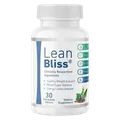
What is LeanBliss and What is It For?
LeanBliss is a comprehensive metabolic and cortisol management formula designed to address the hormonal architecture of stress-driven weight gain - targeting the cortisol-insulin-appetite cascade rather than simply restricting calories or stimulating thermogenesis. Berberine HCl for Cortisol-Induced Insulin Resistance ReversalBerberine's AMPK-activating mechanism directly counteracts cortisol's induction of peripheral insulin resistance in skeletal muscle and adipose tissue - restoring the cellular glucose uptake efficiency that chronic cortisol progressively degrades. By reducing post-meal glucose and insulin excursions, berberine breaks the high-insulin component of the cortisol-fat storage cycle.
Saffron Extract (Crocus sativus, 30mg Affron Branded) for Emotional Eating and Ghrelin ModulationSaffron's crocin and crocetin compounds have demonstrated direct serotonergic activity - increasing synaptic serotonin availability through serotonin reuptake inhibition. Low serotonin is directly linked to carbohydrate craving and emotional eating behavior. Multiple clinical trials with branded Affron saffron extract have documented significant reductions in snacking frequency, emotional eating scores, and body weight in women experiencing stress-related eating patterns.
Ashwagandha Root (KSM-66, 600mg) for HPA Axis Cortisol NormalizationKSM-66 ashwagandha is the most clinically validated adaptogenic herb for cortisol reduction. A landmark double-blind, placebo-controlled trial published in the Journal of the International Society of Sports Nutrition documented 27.9% reduction in serum cortisol levels in subjects taking KSM-66 for 60 days. Critically, this cortisol reduction was accompanied by significant reductions in body weight, body fat percentage, and BMI compared to placebo - making the cortisol-weight loss connection mechanistically explicit in human clinical data.
Chromium Picolinate for Blood Sugar StabilityChromium enhances insulin receptor sensitivity - specifically in skeletal muscle cells - reducing the insulin resistance induced by chronic cortisol exposure and supporting stable post-meal glucose that prevents the reactive hypoglycemia-driven hunger spikes that perpetuate stress eating cycles.
Magnesium Glycinate (200mg) for HPA Axis Downregulation and Sleep SupportMagnesium is a physiological antagonist of NMDA receptors in the hypothalamus - reducing the activation of CRH-secreting neurons that initiate the HPA axis cortisol cascade. Magnesium deficiency is both a consequence of chronic stress (cortisol drives renal magnesium wasting) and an amplifier of cortisol reactivity. Magnesium glycinate provides the most bioavailable form for neural tissue penetration and sleep-supporting effects.
How to Take LeanBliss: The Official Protocol
Recommended Daily Dosage and Frequency
The standard protocol is two capsules per day, taken at strategically optimized times to counteract the cortisol curve:
- Morning capsule (with breakfast): Berberine and chromium are most effective taken before or with the morning meal - the highest-risk window for cortisol-driven insulin resistance
- Evening capsule (with dinner): KSM-66 ashwagandha and magnesium glycinate work synergistically to reduce evening cortisol (which should be near zero by 9 PM in healthy individuals but remains elevated in chronically stressed adults) and support the deep sleep stages that restore HPA axis sensitivity
How Long Until Weight Loss Benefits Are Noticeable?
The cortisol-weight connection is chronic and took time to develop - it will take time to reverse:
- Weeks 1-2: Saffron's serotonergic effects begin reducing emotional snacking frequency and carbohydrate cravings
- Weeks 2-4: KSM-66's cortisol normalization reduces the evening hunger surges driven by chronic HPA activation. Sleep quality often improves notably in this window
- Weeks 4-8: Reduced insulin resistance from berberine and chromium begins improving fat mobilization. Weight loss in the visceral depot becomes measurable by waist circumference reduction
- Weeks 8-12: HPA axis recalibration consolidates - stress response remains appropriate for genuine stressors but is no longer chronically overactive
Who Should Consult a Physician Before Use?
- Individuals taking antidepressants (SSRIs, SNRIs) should consult their psychiatrist before adding saffron's serotonergic effects
- Those with diabetes taking insulin or oral hypoglycemic agents should monitor blood glucose when adding berberine and chromium
- Pregnant or breastfeeding individuals should not use this formula without medical supervision
- Individuals with Addison's disease or other adrenal insufficiency conditions should consult their endocrinologist
Scientific References & Validation
Full citations with PMID links, methodology notes & evidence ratings on puresupphub.com