Your body is constantly defending itself against oxidative stress, which is caused by unstable molecules called free radicals. When free radicals outnumber antioxidants, it can damage cells and weaken your immune system. Eating foods rich in natural antioxidants is one of the easiest ways to support your body's daily defense.
Your body is constantly defending itself against oxidative stress, which is caused by unstable molecules called free radicals. When free radicals outnumber antioxidants, it can damage cells and weaken your immune system. Eating foods rich in natural antioxidants is one of the easiest ways to support your body's daily defense.
Here are ten simple, delicious antioxidant-rich foods to add to your grocery list.
Key Takeaways
- Cellular Protection: Antioxidants neutralize free radicals, protecting immune cells from damage.
- Vitamin Power: Foods rich in vitamins C and E support immune cell production.
- Daily Vitality: A colorful, whole-food diet provides a wide range of protective compounds.
1. Blueberries
Blueberries are packed with anthocyanins, powerful antioxidants that help protect the respiratory tract and support overall cell health.
2. Spinach
Spinach is rich in Vitamin C, beta-carotene, and lutein, which support immune cell production and help fight off infections.
3. Dark Chocolate (70%+)
Dark chocolate contains an antioxidant called theobromine, which helps protect body cells from oxidative stress. Enjoy a small square daily.
4. Strawberries
A sweet source of Vitamin C and antioxidants that support skin barrier health, preventing external pathogens from entering.
5. Broccoli
Broccoli is loaded with vitamins A, C, and E, as well as sulforaphane, a compound that supports healthy cellular inflammatory responses.
6. Walnuts
Walnuts contain healthy fats and polyphenols, which help lower oxidative stress and support brain and blood vessel health.
7. Garlic
Garlic contains sulfur compounds like allicin, which support immune cell activity and help fight off common winter bugs.
8. Ginger
Ginger has potent antioxidant and anti-inflammatory properties, making it a great addition to teas, stir-fries, and morning smoothies.
9. Turmeric
Turmeric contains curcumin, a powerful anti-inflammatory compound that supports joint comfort and immune cell function.
10. Green Tea
Green tea is rich in epigallocatechin gallate (EGCG), a powerful antioxidant that has been shown to support immune function.
Enhance Your Daily Immune Protection
Eating a colorful diet is a wonderful way to protect your cells, and you can support your immune system's resilience by supplying it with targeted, premium nutrition.
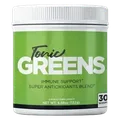
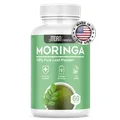
Using TonicGreens daily delivers a concentrated blend of organic greens, antioxidant-rich berries, and key vitamins to support your immune system. For enhanced protection, pair it with Pure Moringa to provide a rich source of vitamins, minerals, and amino acids to keep your defense networks active.
Why These Support Your Immune And Lymphatic System
The immune system requires a constant supply of micronutrients to maintain both innate and adaptive responses. Deficiencies in zinc, vitamin D, and specific antioxidants impair lymphocyte production and reduce the speed of pathogen recognition.
Understanding this biological process helps explain why targeted daily support - not just isolated dietary improvements - is necessary for consistent results.
How White Blood Cell Activation Works
Immune function operates through a layered defense. Natural killer cells and macrophages form the innate response, while T and B lymphocytes power the adaptive system. Antioxidants like glutathione and vitamin C protect these immune cells from oxidative damage during active inflammatory responses.
This mechanism explains why the biological factors discussed in this article are not merely lifestyle suggestions but represent the foundational drivers of long-term immune health.
Why These Support Your Biological Systems
The biological systems that regulate long-term health require consistent, targeted nutritional support to function optimally. Gaps in micronutrient intake create compounding deficits that accelerate cellular aging and systemic decline.
Understanding this biological process helps explain why targeted daily support is necessary for consistent results.
How Cellular Health Works
Cellular health depends on the efficient operation of enzymatic pathways that require specific vitamins, minerals, and botanical cofactors. When these nutrients are deficient, the body prioritizes acute survival functions over long-term tissue maintenance and repair.
This mechanism explains why the biological factors discussed in this article represent the foundational drivers of long-term biological systems health.
Scientific References & Validation
Full citations with PMID links, methodology notes & evidence ratings on puresupphub.com