We often think of our immune system as something that functions automatically, independent of our choices. However, our daily habits have a massive influence on the strength of our defense system. Simple daily decisions can act like a slow leak in our immune shield, making it harder for our cells to protect us.
We often think of our immune system as something that functions automatically, independent of our choices. However, our daily habits have a massive influence on the strength of our defense system. Simple daily decisions can act like a slow leak in our immune shield, making it harder for our cells to protect us.
Here are ten everyday choices that secretly lower your immune response, and how to fix them.
Key Takeaways
- Nutrient Depletion: Poor choices drain the essential vitamins and minerals your body needs.
- Stress Cortisol: Chronic stress releases hormones that suppress immune cell activity.
- Sleep Quality: Lack of sleep reduces the production of protective proteins called cytokines.
1. Skipping Breakfast or Eating Sugar Early
Starting your day with sugary pastries causes blood sugar spikes that trigger inflammation, temporarily weakening immune cell activity.
2. Staying Indoors All Day
Lack of natural sunlight can lead to low Vitamin D levels, which are critical for immune cell function and defense.
3. Constantly Checking Work Emails at Night
Working late keeps your stress hormones elevated, preventing your body from entering deep, restorative sleep.
4. Chronic Mild Dehydration
Not drinking enough water slows down the flow of lymph fluid, which carries white blood cells throughout your body.
5. Eating a Low-Fiber Diet
A diet low in fiber starves your beneficial gut bacteria, which play a key role in training your immune system.
6. Staying Seated for Hours
Physical inactivity slows down blood circulation, making it harder for immune cells to travel where they are needed.
7. Relying Too Much on Caffeine
Excess caffeine can elevate cortisol levels and disrupt your sleep cycle, draining your physical energy.
8. Ignoring Chronic Mental Stress
Suppressing stress keeps your nervous system in a high-alert state, which suppresses immune cell production.
9. Eating Processed Foods
Refined foods are low in the vitamins and minerals your immune cells need to repair and build defenses.
10. Sleeping with Your Phone Nearby
The blue light and notifications from your phone disrupt melatonin, preventing deep, restorative sleep stages.
Rebuild Your Immune Shield Naturally
Breaking these habits is a vital first step, and you can support your body's natural defense systems by giving your cells targeted, premium nutrition.
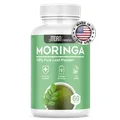
Using TonicGreens daily helps supply your body with a rich blend of organic greens, probiotics, and key antioxidants to support your immune system. For enhanced protection, pair it with Pure Moringa to provide a rich source of vitamins, minerals, and amino acids to keep your defense networks active.
Why These Support Your Immune And Lymphatic System
The immune system requires a constant supply of micronutrients to maintain both innate and adaptive responses. Deficiencies in zinc, vitamin D, and specific antioxidants impair lymphocyte production and reduce the speed of pathogen recognition.
Understanding this biological process helps explain why targeted daily support - not just isolated dietary improvements - is necessary for consistent results.
How White Blood Cell Activation Works
Immune function operates through a layered defense. Natural killer cells and macrophages form the innate response, while T and B lymphocytes power the adaptive system. Antioxidants like glutathione and vitamin C protect these immune cells from oxidative damage during active inflammatory responses.
This mechanism explains why the biological factors discussed in this article are not merely lifestyle suggestions but represent the foundational drivers of long-term immune health.
Why These Support Your Biological Systems
The biological systems that regulate long-term health require consistent, targeted nutritional support to function optimally. Gaps in micronutrient intake create compounding deficits that accelerate cellular aging and systemic decline.
Understanding this biological process helps explain why targeted daily support is necessary for consistent results.
How Cellular Health Works
Cellular health depends on the efficient operation of enzymatic pathways that require specific vitamins, minerals, and botanical cofactors. When these nutrients are deficient, the body prioritizes acute survival functions over long-term tissue maintenance and repair.
This mechanism explains why the biological factors discussed in this article represent the foundational drivers of long-term biological systems health.
Scientific References & Validation
Full citations with PMID links, methodology notes & evidence ratings on puresupphub.com