Do you wake up feeling stiff and tight in the morning? You are not alone. During sleep, your body remains stationary for hours, which reduces circulation and allows fluid to build up in your tissues. The fastest way to shake off this morning stiffness is to perform a sequence of gentle, mobilising movements.
Do you wake up feeling stiff and tight in the morning? You are not alone. During sleep, your body remains stationary for hours, which reduces circulation and allows fluid to build up in your tissues. The fastest way to shake off this morning stiffness is to perform a sequence of gentle, mobilising movements.
Here are ten quick morning moves you can do next to your bed to wake up your body and prepare for a comfortable day.
Key Takeaways
- Morning Mobility: Gentle movement clears away nighttime fluid buildup in joints.
- Vascular Reset: Morning exercises stimulate blood circulation to muscles.
- Posture Alignment: Stretching helps align your spine and joints for the day.
1. Reach for the Sky
Reach your arms up, interlock your fingers, and stretch your body tall while breathing deeply.
2. Shoulder Rolls
Roll your shoulders back 5 times, then forward 5 times to release tension in your upper back.
3. Gentle Torso Twists
Stand with feet hip-width apart and gently twist your torso from side to side, letting your arms swing.
4. Hip Circles
Place your hands on your hips and roll them in large circles 5 times in each direction to warm up hip joints.
5. Lateral Neck Stretch
Gently tilt your head toward your shoulder, holding for 10 seconds on each side to stretch neck muscles.
6. Forward Fold
Exhale and bend forward at the hips, letting your head and arms hang heavy for 15 seconds to stretch hamstrings.
7. Ankle Rolls
Lift one foot and roll your ankle in circles to support joint mobility before walking.
8. Standing Calf Raises
Slowly lift up onto your toes, hold for a second, and lower back down. Repeat 10 times to stimulate circulation.
9. Gentle Chest Stretch
Place your hands on your lower back, draw your elbows together, and lift your chest to stretch pectoral muscles.
10. Knee Hugs
Pull one knee up toward your chest, hold for a second, and swap. Repeat 5 times to stretch glutes and lower back.
Support Your Daily Movement from Within
Waking up your body with morning movement is a great way to start your day, and you can support your joint and muscle health by giving your cells targeted nutrition.
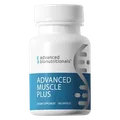
Using Advanced Muscle Plus daily delivers targeted, premium ingredients to support muscle repair and physical stamina. To enhance your overall mobility and joint comfort, pair it with JointEternal to nourish your cartilage and keep your body moving freely.
Why These Support Your Muscular And Cardiovascular System
After age 35, adults lose 1-2% of muscle mass annually through sarcopenia - a process driven by reduced protein synthesis efficiency and hormonal changes. Without targeted nutritional intervention, this decline accelerates with each passing decade.
Understanding this biological process helps explain why targeted daily support - not just isolated dietary improvements - is necessary for consistent results.
How Protein Synthesis Works
Muscle protein synthesis requires a sufficient supply of essential amino acids at the ribosomal level, particularly leucine, which directly activates the mTOR pathway. This anabolic signaling cascade triggers new muscle protein production in the hours following resistance training.
This mechanism explains why the biological factors discussed in this article are not merely lifestyle suggestions but represent the foundational drivers of long-term muscular health.
Why These Support Your Biological Systems
The biological systems that regulate long-term health require consistent, targeted nutritional support to function optimally. Gaps in micronutrient intake create compounding deficits that accelerate cellular aging and systemic decline.
Understanding this biological process helps explain why targeted daily support is necessary for consistent results.
How Cellular Health Works
Cellular health depends on the efficient operation of enzymatic pathways that require specific vitamins, minerals, and botanical cofactors. When these nutrients are deficient, the body prioritizes acute survival functions over long-term tissue maintenance and repair.
This mechanism explains why the biological factors discussed in this article represent the foundational drivers of long-term biological systems health.
Scientific References & Validation
Full citations with PMID links, methodology notes & evidence ratings on puresupphub.com