Do you feel like you have a "slow" metabolism? Do you gain weight easily and struggle to lose it, even when eating less? Your metabolism is the rate at which your body burns calories for energy. While genetics play a role, your daily lifestyle habits have a massive influence on your metabolic speed. By making small, deliberate changes, you can naturally fire up your metabolic engine.
Do you feel like you have a "slow" metabolism? Do you gain weight easily and struggle to lose it, even when eating less? Your metabolism is the rate at which your body burns calories for energy. While genetics play a role, your daily lifestyle habits have a massive influence on your metabolic speed. By making small, deliberate changes, you can naturally fire up your metabolic engine.
Here are ten simple lifestyle tweaks to speed up a slow metabolism.
Key Takeaways
- Active Lifestyle: Small daily movements increase your calorie-burning rate.
- Muscle Support: Building muscle mass naturally boosts your basal metabolic rate.
- Stable Fueling: Eating clean protein and staying hydrated supports clean energy conversion.
1. Drink 16 Ounces of Cold Water in the Morning
Drinking cold water triggers a temporary boost in your metabolism as your body works to warm the water up to body temperature.
2. Eat Protein with Every Meal
Your body uses more energy to digest protein than it does to digest fats or carbohydrates. This is known as the thermic effect of food.
3. Stand Up for 5 Minutes Every Hour
Sitting for extended periods slows down your metabolism. Set a timer to stand up and stretch regularly.
4. Get 7 to 8 Hours of Sleep
Sleep deprivation alters your hunger hormones and slows down your calorie-burning speed. Prioritize rest.
5. Walk for 15 Minutes After Dinner
A light walk after your evening meal helps lower post-meal insulin spikes and stimulates digestion.
6. Drink Green Tea
Green tea contains caffeine and antioxidants called catechins, which have been shown to temporarily boost metabolism.
7. Build Lean Muscle
Muscle tissue burns more calories at rest than fat tissue does. Focus on bodyweight exercises or light weight training.
8. Eat Spicy Foods
Spices like cayenne pepper contain capsaicin, which can temporarily increase your body's temperature and calorie burning.
9. Avoid Extreme Calorie Restriction
Eating too little forces your body into survival mode, which slows down your metabolism to conserve energy.
10. Stay Hydrated
Even mild dehydration can slow down cellular energy production, making your metabolism less efficient.
Support Your Metabolic Energy Internally
Practicing these lifestyle tweaks is a great way to boost your metabolism, and you can support your body's energy pathways by supplying them with targeted nutrition.
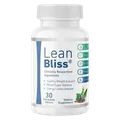
Using LeanBliss daily delivers premium, targeted ingredients to support overall metabolic balance and maintain stable blood sugar levels. To enhance your weight management, pair it with GLP-1 Plus to support natural satiety hormones, helping you feel satisfied and energized all day.
Why These Support Your Metabolic And Endocrine System
Weight gain and retention are rarely caused by willpower alone. Hormonal imbalances - particularly leptin resistance and cortisol elevation - create a metabolic environment that actively resists fat loss despite caloric restriction.
Understanding this biological process helps explain why targeted daily support - not just isolated dietary improvements - is necessary for consistent results.
How Thermogenesis Works
The body regulates fat storage through leptin, ghrelin, and insulin signaling. When these hormones are dysregulated, the hypothalamus receives incorrect satiety signals, driving overeating and preferential fat storage over lean muscle maintenance.
This mechanism explains why the biological factors discussed in this article are not merely lifestyle suggestions but represent the foundational drivers of long-term metabolic health.
Why These Support Your Metabolic And Endocrine System
Weight gain and retention are rarely caused by willpower alone. Hormonal imbalances - particularly leptin resistance and cortisol elevation - create a metabolic environment that actively resists fat loss despite caloric restriction.
Understanding this biological process helps explain why targeted daily support is necessary for consistent results.
How Thermogenesis Works
The body regulates fat storage through leptin, ghrelin, and insulin signaling. When these hormones are dysregulated, the hypothalamus receives incorrect satiety signals, driving overeating and preferential fat storage over lean muscle maintenance.
This mechanism explains why the biological factors discussed in this article represent the foundational drivers of long-term metabolic health.
Scientific References & Validation
Full citations with PMID links, methodology notes & evidence ratings on puresupphub.com