Waking up multiple times in the middle of the night to use the bathroom is a frustrating experience. It disrupts your sleep cycle, leaving you exhausted, groggy, and irritable the next day. For many men over the age of 40, this frequent urgency and a noticeably weaker stream are directly related to changes in prostate size and bladder health.
Waking up multiple times in the middle of the night to use the bathroom is a frustrating experience. It disrupts your sleep cycle, leaving you exhausted, groggy, and irritable the next day. For many men over the age of 40, this frequent urgency and a noticeably weaker stream are directly related to changes in prostate size and bladder health.
As the prostate naturally swells with age or stress, it puts pressure on the urethra, making it difficult for the bladder to empty completely. This residual fluid triggers early urgency signals, sending you back to the bathroom just hours after you fell asleep.
Fortunately, you don’t have to accept this as an unavoidable part of aging. Integrating a few simple daily habits can help support bladder elasticity, decrease inflammation, and ensure a peaceful night of rest.
Key Takeaways
- Prostate Pressure: Swelling in the prostate blocks complete bladder emptying, causing early urgency signals.
- Dietary Triggers: Certain evening foods and beverages irritate the bladder lining, worsening urgency.
- Daily Support: Natural botanical nutrients can help reduce prostate inflammation to restore normal flow.
3 Daily Habits for Better Bladder Control
1. Establish a Fluid Cutoff Window
It sounds simple, but the timing of your hydration matters. Try to drink the majority of your daily water intake before 6 PM. Establishing a strict fluid cutoff two hours before you go to bed gives your kidneys time to process excess water, allowing you to empty your bladder completely before your head hits the pillow.
2. Avoid Bladder Irritants at Dinner
Certain foods and drinks act as chemical irritants to the smooth muscle tissue of your bladder, triggering spasms and sudden urgency even if the bladder isn’t full. Avoid caffeine, alcohol, spicy foods, and highly acidic dishes (like tomato-based sauces or citrus fruits) during dinner.
3. Practice Pelvic Floor Relaxation Poses
Chronic tension in the pelvic floor muscles can irritate the bladder nerves and restrict urine flow. Spending a minute before bed in a relaxing pose, such as the "Child's Pose" or a gentle hamstring stretch, helps release pelvic pressure and relaxes the sphincters controlling urinary release.
Nourishing the Prostate at a Cellular Level
While nighttime habits can significantly reduce bladder irritability, the most effective way to restore a strong, healthy stream is by addressing the root cause: prostate swelling and hormonal balance.
To support healthy prostate size and urinary tract flow, consider adding clinically studied botanicals to your routine.
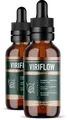
A daily serving of Fluxactive Complete provides a synergistic 14-in-1 matrix of Chinese Ginseng, Saw Palmetto, and Damiana, which target inflammation pathways and support bladder control. Similarly, incorporating ViriFlow supports urinary health by preventing toxic buildup in the prostate, while Advanced Prostate Formula offers a focused mineral complex to support pelvic microcirculation and nocturnal comfort.
By adjusting your evening habits and nourishing your prostate with the right nutrients, you can reclaim your sleep and protect your long-term wellness.
Why These Support Your Biological Systems
The biological systems that regulate long-term health require consistent, targeted nutritional support to function optimally. Gaps in micronutrient intake create compounding deficits that accelerate cellular aging and systemic decline.
Understanding this biological process helps explain why targeted daily support is necessary for consistent results.
How Cellular Health Works
Cellular health depends on the efficient operation of enzymatic pathways that require specific vitamins, minerals, and botanical cofactors. When these nutrients are deficient, the body prioritizes acute survival functions over long-term tissue maintenance and repair.
This mechanism explains why the biological factors discussed in this article represent the foundational drivers of long-term biological systems health.
Scientific References & Validation
Full citations with PMID links, methodology notes & evidence ratings on puresupphub.com