Walking is one of the best exercises for your joints. Unlike high-impact workouts, walking is gentle on your skeletal system while providing massive benefits. The movement of walking stimulates the production of synovial fluid, which acts like grease for a squeaky hinge, keeping your joints lubricated and mobile.
Walking is one of the best exercises for your joints. Unlike high-impact workouts, walking is gentle on your skeletal system while providing massive benefits. The movement of walking stimulates the production of synovial fluid, which acts like grease for a squeaky hinge, keeping your joints lubricated and mobile.
To get the most out of your walks and protect your knees and hips, keep these three simple walking tips in mind.
Key Takeaways
- Joint Lubrication: Walking encourages synovial fluid flow, reducing bone-on-bone friction.
- Footwear Impact: Supportive shoes reduce stress on your knees and lower back.
- Consistency: A daily short walk is more beneficial than one long weekly session.
1. Choose Flat, Forgiving Surfaces
If your knees or hips are stiff, avoid hard concrete paths or steep hills. Opt for flat, even surfaces like park paths, running tracks, or grass to reduce joint impact.
2. Wear Supportive, Cushioning Shoes
Your shoes are your shock absorbers. Avoid worn-out sneakers and choose footwear with good arch support and heel cushioning to protect your joints from impact.
3. Keep a Gentle, Rhythmic Pace
This is not a race. Maintain a steady, relaxed pace. Gentle movement is enough to stimulate blood flow and joint lubrication without causing fatigue.
Protect Your Joints and Muscles
Walking daily is a powerful way to stay mobile, and you can support your body's physical systems by giving your cells targeted nutritional support.
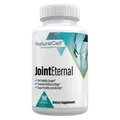
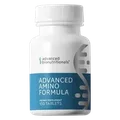
To support joint comfort and mobility, consider adding JointEternal to your daily routine. It delivers targeted, premium ingredients to support cartilage health. For comprehensive physical support, pair it with Advanced Amino Formula to provide essential amino acids that nourish your muscles, helping you stay strong and active.
Why These Support Your Muscular And Cardiovascular System
After age 35, adults lose 1-2% of muscle mass annually through sarcopenia - a process driven by reduced protein synthesis efficiency and hormonal changes. Without targeted nutritional intervention, this decline accelerates with each passing decade.
Understanding this biological process helps explain why targeted daily support - not just isolated dietary improvements - is necessary for consistent results.
How Protein Synthesis Works
Muscle protein synthesis requires a sufficient supply of essential amino acids at the ribosomal level, particularly leucine, which directly activates the mTOR pathway. This anabolic signaling cascade triggers new muscle protein production in the hours following resistance training.
This mechanism explains why the biological factors discussed in this article are not merely lifestyle suggestions but represent the foundational drivers of long-term muscular health.
Scientific References & Validation
Full citations with PMID links, methodology notes & evidence ratings on puresupphub.com