Have you ever experienced an intense, sudden craving for sweet or fatty foods, accompanied by irritability and brain fog? This is a classic sign of a blood sugar crash. When you eat refined carbohydrates or sugars, your glucose spikes, triggering a massive insulin release. The resulting crash forces your brain into survival mode, triggering intense hunger to get quick energy.
Have you ever experienced an intense, sudden craving for sweet or fatty foods, accompanied by irritability and brain fog? This is a classic sign of a blood sugar crash. When you eat refined carbohydrates or sugars, your glucose spikes, triggering a massive insulin release. The resulting crash forces your brain into survival mode, triggering intense hunger to get quick energy.
By practicing simple daily habits, you can keep your blood sugar stable and prevent overeating. Here are three easy ways to avoid blood sugar crashes.
Key Takeaways
- Stable Glucose: Steady blood sugar levels prevent the sudden hunger spikes that trigger overeating.
- Slow Digestion: Fiber and protein slow down glucose absorption, protecting your insulin levels.
- Daily Resets: Consistent sleep and hydration support healthy insulin sensitivity.
1. Eat Your Fiber and Protein First
The order in which you eat your food matters. Eating fiber-rich vegetables and protein before starches forms a protective barrier in your gut, slowing down glucose absorption and protecting your blood sugar.
2. Drink 12 Ounces of Water Before Meals
Drinking water before eating helps hydrate your cells and naturally stretches your stomach, encouraging appropriate portion sizes.
3. Limit High-Carbohydrate Dinners
Eating a heavy, high-carbohydrate meal close to bedtime can cause blood sugar crashes overnight, which can wake you up at 3:00 AM and trigger late-night cravings.
Nourish Your Appetite Balance
Avoiding blood sugar crashes is a powerful step toward weight management, and you can support your body's systems by giving your cells targeted nutrition.
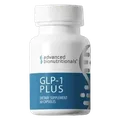
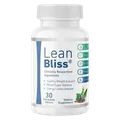
To support healthy weight management and natural satiety hormones, consider adding GLP-1 Plus to your daily routine. It delivers targeted ingredients to support fullness and steady energy. For comprehensive metabolic support, pair it with LeanBliss to maintain stable blood sugar levels and manage sweet cravings all day.
Why These Support Your Metabolic And Endocrine System
Weight gain and retention are rarely caused by willpower alone. Hormonal imbalances - particularly leptin resistance and cortisol elevation - create a metabolic environment that actively resists fat loss despite caloric restriction.
Understanding this biological process helps explain why targeted daily support - not just isolated dietary improvements - is necessary for consistent results.
How Thermogenesis Works
The body regulates fat storage through leptin, ghrelin, and insulin signaling. When these hormones are dysregulated, the hypothalamus receives incorrect satiety signals, driving overeating and preferential fat storage over lean muscle maintenance.
This mechanism explains why the biological factors discussed in this article are not merely lifestyle suggestions but represent the foundational drivers of long-term metabolic health.
Why These Support Your Metabolic And Endocrine System
Weight gain and retention are rarely caused by willpower alone. Hormonal imbalances - particularly leptin resistance and cortisol elevation - create a metabolic environment that actively resists fat loss despite caloric restriction.
Understanding this biological process helps explain why targeted daily support is necessary for consistent results.
How Thermogenesis Works
The body regulates fat storage through leptin, ghrelin, and insulin signaling. When these hormones are dysregulated, the hypothalamus receives incorrect satiety signals, driving overeating and preferential fat storage over lean muscle maintenance.
This mechanism explains why the biological factors discussed in this article represent the foundational drivers of long-term metabolic health.
Scientific References & Validation
Full citations with PMID links, methodology notes & evidence ratings on puresupphub.com