Have you ever finished a busy, stressful day only to find yourself standing in front of the open refrigerator at 10:00 PM, searching for a sweet or salty snack? This late-night snacking is rarely driven by physical hunger. Instead, it is a response to stress: your brain is looking for a quick hit of dopamine to help you relax.
Have you ever finished a busy, stressful day only to find yourself standing in front of the open refrigerator at 10:00 PM, searching for a sweet or salty snack? This late-night snacking is rarely driven by physical hunger. Instead, it is a response to stress: your brain is looking for a quick hit of dopamine to help you relax.
Fortunately, you can break this late-night cycle by building simple, calming habits. Here are three habits to help you stop late-night stress eating.
Key Takeaways
- Stress Response: Late-night snacking is often a search for comfort, not physical hunger.
- Nervous System Calm: Lowering cortisol before bed reduces the urge to seek sugary comfort.
- Fluid Timing: Drinking warm chamomile tea satisfies the hand-to-mouth habit.
1. Practice a 5-Minute "Transition" Ritual
When you finish your workday, take 5 minutes to transition. Turn off all screens, sit quietly, and take a few deep belly breaths. This helps signal to your nervous system that the stressful part of the day is over.
2. Drink a Warm Cup of Chamomile Tea
When the late-night urge to snack hits, brew a warm cup of chamomile tea. The warm liquid is comforting, chamomile contains natural relaxing compounds, and it satisfies the physical habit of drinking or eating.
3. Keep a Gratitude Journal Next to Your Bed
Before you go to sleep, write down three simple things you are grateful for. Shifting your focus to positive thoughts lowers cortisol and helps prevent the stress-induced hunger spikes that wake you up.
Nourish Your Appetite Balance
Managing evening stress is a powerful step toward weight management, and you can support your body's natural satiety signals by giving your cells target nutritional support.
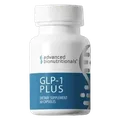
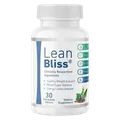
To support healthy weight management and natural satiety hormones, consider adding GLP-1 Plus to your daily routine. It delivers targeted ingredients to support fullness and steady energy. For comprehensive metabolic support, pair it with LeanBliss to maintain stable blood sugar levels.
Why These Support Your Metabolic And Endocrine System
Weight gain and retention are rarely caused by willpower alone. Hormonal imbalances - particularly leptin resistance and cortisol elevation - create a metabolic environment that actively resists fat loss despite caloric restriction.
Understanding this biological process helps explain why targeted daily support - not just isolated dietary improvements - is necessary for consistent results.
How Thermogenesis Works
The body regulates fat storage through leptin, ghrelin, and insulin signaling. When these hormones are dysregulated, the hypothalamus receives incorrect satiety signals, driving overeating and preferential fat storage over lean muscle maintenance.
This mechanism explains why the biological factors discussed in this article are not merely lifestyle suggestions but represent the foundational drivers of long-term metabolic health.
Why These Support Your Metabolic And Endocrine System
Weight gain and retention are rarely caused by willpower alone. Hormonal imbalances - particularly leptin resistance and cortisol elevation - create a metabolic environment that actively resists fat loss despite caloric restriction.
Understanding this biological process helps explain why targeted daily support is necessary for consistent results.
How Thermogenesis Works
The body regulates fat storage through leptin, ghrelin, and insulin signaling. When these hormones are dysregulated, the hypothalamus receives incorrect satiety signals, driving overeating and preferential fat storage over lean muscle maintenance.
This mechanism explains why the biological factors discussed in this article represent the foundational drivers of long-term metabolic health.
Scientific References & Validation
Full citations with PMID links, methodology notes & evidence ratings on puresupphub.com