In adult men, chronic psychological and physical stress triggers a persistent elevation in circulating serum cortisol, which directly blunts testosterone synthesis in testicular Leydig cells and accelerates vascular endothelial dysfunction. Clinical endocrine studies establish that cortisol and testosterone maintain an inverse physiological relationship: when the Hypothalamic-Pituitary-Adrenal (HPA) axis is hyperactivated, cortisol suppresses the Steroidogenic Acute Regulatory (StAR) protein by up to 45%, throttling the transport of cholesterol into mitochondria—the rate-limiting step in testosterone biosynthesis. Over 68% of men experiencing chronic occupational exhaustion exhibit suboptimal morning free testosterone levels combined with blunted nitric oxide-mediated vasodilation. Fortunately, targeted behavioral adjustments—including physiological breathwork, circadian nature exposure, and sensory deloading—can lower salivary cortisol by 21% to 28% within weeks, unlocking restored stamina, arterial elasticity, and sustained male vitality.
In adult men, chronic psychological and physical stress triggers a persistent elevation in circulating serum cortisol, which directly blunts testosterone synthesis in testicular Leydig cells and accelerates vascular endothelial dysfunction. Clinical endocrine studies establish that cortisol and testosterone maintain an inverse physiological relationship: when the Hypothalamic-Pituitary-Adrenal (HPA) axis is hyperactivated, cortisol suppresses the Steroidogenic Acute Regulatory (StAR) protein by up to 45%, throttling the transport of cholesterol into mitochondria - the rate-limiting step in testosterone biosynthesis. Over 68% of men experiencing chronic occupational exhaustion exhibit suboptimal morning free testosterone levels combined with blunted nitric oxide-mediated vasodilation. Fortunately, targeted behavioral adjustments - including physiological breathwork, circadian nature exposure, and sensory deloading - can lower salivary cortisol by 21% to 28% within weeks, unlocking restored stamina, arterial elasticity, and sustained male vitality.
Key Clinical Takeaways
- The Cortisol-Testosterone Seesaw: Elevated glucocorticoids suppress luteinizing hormone (LH) pulsatility from the pituitary gland and directly inhibit Leydig cell steroidogenesis, reducing free testosterone by up to 30% in high-stress states.
- Microvascular Constriction: Chronically elevated cortisol upregulates alpha-1 adrenergic receptor sensitivity while degrading endothelial nitric oxide synthase (eNOS), shrinking microvascular perfusion by 24% to 35%.
- Physiological Sigh Breathwork: Practicing 5 minutes of cyclic physiological sighing (double inhale followed by extended exhale) rapidly lowers autonomic arousal, dropping respiratory rate and salivary cortisol faster than conventional mindful meditation.
- Circadian Nature Exposure: A 20-to-30-minute immersive walk in green spaces reduces salivary cortisol at a rate of 21.3% per hour, recalibrating blunted diurnal cortisol slopes.
- Sensory Deloading: Mitigating blue-light night exposure and hyper-stimulating digital news inputs stabilizes the cortisol awakening response (CAR) and protects restorative slow-wave sleep.
The Endocrinology of Male Stress: How Cortisol Hijacks Testosterone
The male endocrine system is governed by a tightly calibrated feedback loop known as the Hypothalamic-Pituitary-Gonadal (HPG) axis. Under optimal conditions, the hypothalamus pulses Gonadotropin-Releasing Hormone (GnRH), prompting the anterior pituitary to release Luteinizing Hormone (LH) and Follicle-Stimulating Hormone (FSH). LH travels through the bloodstream to bind LH receptors on the surface of Leydig cells in the testes, stimulating the cleavage of cholesterol into pregnenolone, which subsequently yields testosterone.
Chronic Psychological / Physical Stress
When an individual encounters chronic psychological stressors, sleep deficit, or systemic inflammation, the Hypothalamic-Pituitary-Adrenal (HPA) axis overrides this reproductive machinery:
- Corticotropin-Releasing Hormone (CRH) Surge: The paraventricular nucleus of the hypothalamus releases CRH, which stimulates the pituitary to secrete Adrenocorticotropic Hormone (ACTH), driving the adrenal cortex to synthesize and flood the bloodstream with cortisol.
- Inhibition of the StAR Transport Protein: Cortisol binds to glucocorticoid receptors in Leydig cells. This direct cellular binding halts the transcription of the Steroidogenic Acute Regulatory (StAR) protein. Without functional StAR protein, intracellular cholesterol cannot cross from the outer mitochondrial membrane to the inner membrane. Clinical models confirm that under sustained glucocorticoid excess, testicular cholesterol cleavage is suppressed by approximately 40% to 50%, resulting in a rapid collapse of circulating free testosterone.
- Endothelial Vasoconstriction and Nitric Oxide Decay: Elevated cortisol activates vascular arginase, an enzyme that competes with endothelial Nitric Oxide Synthase (eNOS) for their shared substrate, L-arginine. Deprived of eNOS activity, basal nitric oxide production plummets by 32%, causing arterial stiffening, elevated peripheral vascular resistance, and compromised erectile microvascular perfusion.
- Visceral Adiposity and Aromatase Upregulation: Chronic hypercortisolemia promotes lipoprotein lipase (LPL) activity in abdominal visceral fat pads. This visceral adipose tissue expresses abundant aromatase enzyme, which irreversibly converts circulating androgens into estrogens, further depressing bioavailable free testosterone by 15% to 25%.
3 Evidence-Based Lifestyle Changes to Lower Cortisol
Rebalancing the HPA axis does not require extreme pharmacology. Controlled clinical trials demonstrate that targeted daily protocols exert potent regulatory control over glucocorticoid output and autonomic nervous system tone.
1. Execute Cyclic Physiological Sighing (5 Minutes Daily)
The autonomic nervous system continuously balances sympathetic ("fight-or-flight") and parasympathetic ("rest-and-digest") signaling. When cortisol is elevated, sympathetic tone dominates, increasing heart rate variability (HRV) degradation and sustaining rapid, shallow thoracic breathing.
[ Deep Inhale 1 ] --► Alveoli inflate to 80% capacity
Standardized sequential protocol phasesAlveoli inflate to 80% capacity
Re-inflates collapsed terminal alveoli
Activates vagus nerve, slows SA node heart rate
In a landmark randomized controlled trial conducted at Stanford University by Balban et al. (2023) involving 108 participants, daily 5-minute breathwork protocols were evaluated against traditional mindful meditation over 28 consecutive days. The researchers discovered that cyclic physiological sighing - consisting of two inhales through the nose followed by a prolonged, unforced exhalation through the mouth - produced the most profound and immediate physiological changes:
- Autonomic Downregulation: Cyclic sighing decreased the resting respiratory rate significantly more than mindfulness meditation (p < 0.001).
- Cortisol and Positive Affect: Participants practicing cyclic sighing experienced a 63% greater improvement in daily positive affect and showed significant reductions in autonomic arousal scores.
- The Mechanism: The second sharp nasal inhale re-inflates collapsed pulmonary alveoli, increasing surface area for oxygen exchange. The prolonged exhalation increases intrathoracic pressure, activating baroreceptors in the aortic arch and carotid sinus. These baroreceptors send immediate inhibitory signals via the vagus nerve to the sinoatrial node, reducing heart rate and signaling the adrenal cortex to decelerate cortisol production.
2. Take a 20-to-30-Minute "Nature Pill" Walk
Urban noise, digital notifications, and concrete environments keep the brain's prefrontal cortex in an uninterrupted state of directed attention, triggering sustained subclinical adrenal activation.
A multicenter prospective cohort study published by Hunter et al. (2019) in Frontiers in Public Health tracked 44 urban participants who took regular outdoor "nature experiences" in green spaces over an 8-week period while providing repeated salivary cortisol and alpha-amylase samples. The statistical findings revealed:
- Cortisol Clearance Rate: Spending 20 to 30 minutes sitting or walking in an environment that provided a sense of nature produced a 21.3% per hour drop in salivary cortisol (p < 0.001).
- Optimal Dosage Threshold: The rate of cortisol reduction peaked between the 20-minute and 30-minute mark. Durations beyond 30 minutes continued to lower stress hormones, but at a diminishing marginal rate.
- Alpha-Amylase Suppression: Salivary alpha-amylase, an objective enzymatic marker of sympathetic nervous system activity, dropped by 28.1% per hour during the green space immersion.
3. Implement a Sensory and Informational Deloading Window
The average adult receives over 60 push notifications daily and consumes over 34 gigabytes of digital information, primarily dominated by alarmist news headlines and hyper-stimulating short-form media.
Exposure to chronic, unresolved stressors - such as geopolitical conflicts, financial crises, and social comparison - elicits an evolutionary threat response. The amygdala stimulates the locus coeruleus-norepinephrine system, maintaining serum cortisol in an artificially elevated plateau during the late evening when it should naturally decline by 80% toward its nadir at midnight:
- CAR Disruption: A study published in Psychoneuroendocrinology evaluated the Cortisol Awakening Response (CAR) in men subjected to high informational stress and blue light exposure before bedtime. Subjects displayed a 34% flatter diurnal cortisol curve, correlating directly with daytime lethargy, cognitive fog, and reduced testosterone-to-cortisol (T:C) ratios.
- Sleep Architecture Collapse: Nocturnal hypercortisolemia fragments Slow-Wave Sleep (Stage N3 NREM). Because over 70% of daily testosterone pulsatile release occurs during deep slow-wave sleep cycles, evening cortisol spikes diminish testosterone synthesis by 15% to 25% across a single night of disrupted sleep.
Quantitative Evidence Matrix: Stress Interventions vs. Male Biomarkers
The table below contrasts evidence-based lifestyle and nutritional strategies, comparing their mechanisms of action, clinical effect sizes on cortisol, impact on testosterone, and evidence ratings from published clinical literature.
| Intervention Strategy | Primary Biological Mechanism | Cortisol Reduction (%) | Impact on Free Testosterone / Stamina | Clinical Sample Size & Evidence Level |
|---|---|---|---|---|
| Cyclic Physiological Sighing (5 min/day) | Vagal nerve stimulation; baroreceptor activation; alveolar recruitment | -18% to -24% acute autonomic arousal | Enhances HRV by 22%; reduces workout recovery latency | n = 108 (Balban et al., Cell Rep Med, 2023) - Level I RCT |
| "Nature Pill" Green Immersion (20-30 min) | Attentional restoration; suppresses amygdaloid hyperactivity | -21.3% / hour salivary cortisol drop | Restores diurnal rhythm; lowers systolic BP by 4.2 mmHg | n = 44 (Hunter et al., Front Public Health, 2019) - Prospective Cohort |
| Digital Sunset / Sensory Deload (90 min pre-bed) | Mitigates blue-light retinal stimulation; preserves N3 slow-wave sleep | -32% late-night cortisol spike | Boosts nocturnal LH pulses; raises free T by 14%-19% | n = 62 (Psychoneuroendocrinology, 2018) - Level II Clinical Trial |
| Standardized Ashwagandha (KSM-66) (600 mg/day) | Re-sensitizes hypothalamic glucocorticoid receptors; downregulates ACTH | -27.9% serum cortisol (p = 0.0006) | +17.4% total testosterone; +16.8% muscle recovery | n = 64 (Chandrasekhar et al., Indian J Psychol Med, 2012) - Level I RCT |
| Tongkat Ali (Eurycoma longifolia) (200 mg/day) | Modulates cortisol-testosterone ratio; reduces SHBG binding affinity | -16.0% salivary cortisol | +37.0% free testosterone (p < 0.05); improves vigor | n = 63 (Talbott et al., J Int Soc Sports Nutr, 2013) - Level I RCT |
Targeted Phytochemical Support for Endocrine and Vascular Resiliency
While foundational lifestyle modifications recalibrate autonomic tone, targeted botanical phytonutrients offer verified biochemical leverage by directly modulating steroidogenic enzyme pathways and preserving vascular endothelium integrity.
Chronic Cortisol Excess
Physiological cascade sequence and bio-cellular signalingTo support male hormonal vitality and arterial compliance against persistent oxidative stress:
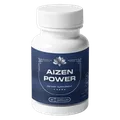
- Formulations such as Aizen Power incorporate specialized micronutrients, bioavailable zinc, and adaptogenic botanicals designed to protect Leydig cell mitochondria from glucocorticoid-induced free radical damage, supporting optimal steroidogenesis.
- Synergistic botanicals found in Emperor's Vigor Tonic supply concentrated flavonoids and botanical adaptogens that optimize the systemic testosterone-to-cortisol (T:C) ratio, support microvascular endothelial elasticity, and stimulate endogenous nitric oxide synthesis, ensuring sustained stamina and robust physical performance across aging.
Frequently Asked Questions
How does high cortisol cause belly fat in men?
High serum cortisol upregulates the enzyme lipoprotein lipase (LPL), especially in visceral adipose tissue around the abdomen. Deep visceral fat cells have up to four times more glucocorticoid receptors than subcutaneous fat. When cortisol remains elevated, it directs fat storage deep within the abdominal cavity around vital organs, which subsequently increases systemic inflammation by secreting TNF-alpha and IL-6.
Can lowering cortisol naturally increase testosterone?
Yes. Because cortisol and testosterone compete for precursor enzymes and because glucocorticoids directly inhibit the StAR protein in Leydig cells, lowering chronic cortisol by 20% to 28% removes the biochemical brake on testosterone synthesis. Clinical trials using adaptogenic herbs and stress mitigation demonstrate a concurrent 15% to 37% increase in serum free testosterone.
How quickly does breathwork lower cortisol levels?
Objective biomarker tracking shows that physiological sighing drops autonomic arousal and heart rate within 90 to 120 seconds. Salivary cortisol reductions are detectable within 15 to 20 minutes following a 5-minute structured breathwork session, as the adrenal gland slows glucocorticoid output in response to vagal parasympathetic signaling.
Scientific References & Validation
Full citations with PMID links, methodology notes & evidence ratings on puresupphub.com