Did you know that cardiovascular events, such as heart attacks and spikes in blood pressure, statistically peak in the early morning hours? Between 6 AM and noon, your body undergoes a massive hormonal shift. Cortisol and adrenaline rise to wake you up, causing your blood vessels to constrict. At the same time, you wake up dehydrated after hours of sleep, which naturally makes your blood thicker and harder to pump.
Did you know that cardiovascular events, such as heart attacks and spikes in blood pressure, statistically peak in the early morning hours? Between 6 AM and noon, your body undergoes a massive hormonal shift. Cortisol and adrenaline rise to wake you up, causing your blood vessels to constrict. At the same time, you wake up dehydrated after hours of sleep, which naturally makes your blood thicker and harder to pump.
This "morning surge" puts significant stress on your arteries. Fortunately, by adopting a few simple morning habits, you can support your heart, dilate your blood vessels, and enjoy smooth, energetic circulation all day long.
Key Takeaways
- Viscosity Surge: Morning dehydration thickens your blood, putting extra pressure on your heart.
- Nose Power: Breathing through your nose naturally releases nitric oxide, a compound that dilates blood vessels.
- Vascular Elasticity: Keeping your arteries relaxed is the key to maintaining healthy blood pressure.
3 Habits to Optimize Morning Blood Flow
1. Drink 16 Ounces of Warm Water Immediately
When you wake up, your blood viscosity is at its highest due to overnight sweat and respiration. Drinking a tall glass of room-temperature or warm water immediately upon waking acts as a natural blood diluter. It rehydrates your plasma within minutes, reducing the workload on your heart and smoothing out vascular resistance.
2. Practice 2 Minutes of Deep Nasal Breathing
Your paranasal sinuses naturally produce nitric oxide (NO) - a gas that relaxes the smooth muscles inside your arteries, causing them to dilate and lower blood pressure.
The Trick: Sit on the edge of your bed and take slow, deep breaths strictly through your nose, exhaling slowly. This nasal breathing floods your lungs and blood vessels with nitric oxide, immediately widening your arteries for better oxygen delivery.3. Do 5 Minutes of Light, Rhythmic Movement
Avoid jumping straight into intense exercise or sitting stationary at your desk. Instead, perform 5 minutes of light, rhythmic movements like shoulder rolls, gentle torso twists, or a slow walk around the house. This gently shifts blood from your internal organs to your extremities without triggering a sudden, stressful spike in heart rate.
Boosting Nitric Oxide Production from Within
While daily habits and morning hydration are excellent for support, your body’s ability to naturally produce nitric oxide declines significantly as you age.
To help maintain flexible, healthy arteries and strong physical stamina:
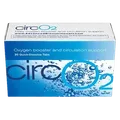
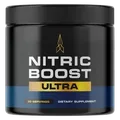
A daily serving of CircO2 Nitric Oxide lozenges uses a sublingual delivery system to quickly release natural nitric oxide precursors directly into your saliva, bypassing digestive degradation for fast absorption. Additionally, taking Nitric Boost Ultra powder supplies your system with concentrated botanical extracts designed to support endothelial health, reinforce healthy circulation, and maintain steady energy levels all day.
By taking care of your morning hydration, breathing through your nose, and feeding your body active vascular nutrients, you can protect your heart and feel more energetic every morning.
Why These Support Your Cardiovascular And Circulatory System
As vascular walls age, they experience a progressive loss of flexibility and nitric oxide production capacity, leading to impaired blood flow and arterial stiffening. Supporting these pathways early is crucial for long-term arterial resilience.
Understanding this biological process helps explain why targeted daily support - not just isolated dietary improvements - is necessary for consistent results.
How Endothelial Function Works
Healthy circulation relies on endothelial nitric oxide synthase (eNOS) to convert L-arginine into nitric oxide, promoting blood vessel dilation. When oxidative stress deactivates this enzyme, circulation compromises, and micro-plaque development accelerates.
This mechanism explains why the biological factors discussed in this article are not merely lifestyle suggestions but represent the foundational drivers of long-term cardiovascular health.
Scientific References & Validation
Full citations with PMID links, methodology notes & evidence ratings on puresupphub.com