As the sun sets and you prepare for sleep, your body shifts from defense mode to regeneration mode. While you rest, your skin and nail cells experience their highest rate of cellular division and repair. This nighttime window is critical for the production of collagen—the structural protein that keeps skin firm, hydrated, and elastic—and keratin, which forms the protective shield of your hair and nails.
As the sun sets and you prepare for sleep, your body shifts from defense mode to regeneration mode. While you rest, your skin and nail cells experience their highest rate of cellular division and repair. This nighttime window is critical for the production of collagen - the structural protein that keeps skin firm, hydrated, and elastic - and keratin, which forms the protective shield of your hair and nails.
However, as we age, natural collagen synthesis declines by about 1% every year after age 25. This decline, combined with common nighttime habits like sleeping in dry, overheated rooms or skipping proper hydration, leads to dermal thinning, fine lines, and brittle, splitting nails.
Fortunately, by introducing a few supportive habits to your evening routine, you can maximize your skin's nighttime repair cycle, protect your structural proteins, and awaken with a healthy glow.
Key Takeaways
- Fibroblast Activation: Fibroblasts are the specialized cells in your dermis responsible for synthesizing collagen and elastin. They require physical stimulation and nutrients to function optimally.
- Dermal Dehydration: Trans-epidermal water loss peaks during the night, drying out the skin barrier and accelerating wrinkle formation.
- Keratin Scaffolding: Nails and skin require essential lipids and antimicrobial protection to prevent sub-dermal irritation and structural splitting.
3 Nighttime Habits for Youthful Skin and Nails
1. Perform the 10-Minute Dermal Massage
Massaging the skin physically stimulates the dermis, increasing blood flow and signaling fibroblasts to increase collagen and elastin production.
The Routine: After washing your face, apply a gentle moisturizer. Using the pads of your fingers, massage your face in upward, sweeping motions, starting from your jawline to your temples. Focus on the cheeks and forehead, applying light, firm pressure for two minutes. This stimulation increases local oxygen delivery, clears cellular debris, and activates the structural repair pathways.2. Keep Your Bedroom Cool
Sleeping in a room that is too warm causes your blood vessels to dilate and increases perspiration, leading to rapid moisture evaporation from your skin barrier.
The Tweak: Lower your bedroom thermostat to between 60°F and 67°F (15°C to 19°C) and use a cool-mist humidifier if you live in a dry climate. A cooler environment supports natural melatonin production - a powerful internal antioxidant - and prevents trans-epidermal water loss, keeping your skin's protective barrier hydrated and plump overnight.3. Implement the Nighttime Cuticle Hydration Habit
Nails are porous structures that absorb and lose moisture faster than skin. When cuticles dry out, the nail matrix becomes damaged, leading to weak, ridged, and brittle nails.
The Habit: Just before getting into bed, apply a drop of protective oil to the base of each nail and massage it into your cuticles for 30 seconds. This simple act seals moisture within the nail matrix, strengthens the keratin bonds, and creates a biological shield that prevents environmental irritants and fungi from penetrating the sub-dermal nail bed.Advanced Dermal and Structural Nutrition
While physical massage and environmental tweaks are highly effective for supporting nighttime recovery, rebuilding your skin's underlying scaffolding requires direct, systemic nourishment.
To optimize your dermal collagen and protect your nails:
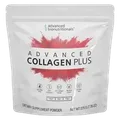
Taking Advanced Collagen Plus daily supplies your body with low-molecular-weight hydrolyzed collagen peptides. Combined with Hyaluronic Acid and Vitamin C, this high-absorption matrix stimulates endogenous fibroblast production, replenishes depleted collagen stores, and locks in deep dermal moisture.
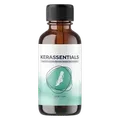
To complement this internal support, Kerassentials provides advanced topical protection for your nails and skin. Engineered with a physician-formulated blend of natural oils and vitamins, Kerassentials fights fungal resistance, protects the nail bed from sub-dermal irritation, and promotes the growth of strong, clear, and healthy nails.
By supporting your skin's night-time repair cycle, keeping your sleep environment cool, and nourishing your cells from within, you can preserve your youthfulness and strength.
Why These Support Your Dermal And Connective Tissue System
Skin aging is driven by two parallel processes: intrinsic aging (genetically determined collagen decline) and extrinsic aging (UV, pollution, and oxidative damage). After age 25, collagen production declines by approximately 1-2% per year.
Understanding this biological process helps explain why targeted daily support - not just isolated dietary improvements - is necessary for consistent results.
How Collagen Synthesis Works
Skin structure relies on a collagen and elastin matrix produced by fibroblast cells in the dermis. Vitamin C is a required cofactor for hydroxylase enzymes that stabilize the collagen triple helix. Without adequate antioxidant protection, UV-induced ROS cleave collagen chains and accelerate visible aging.
This mechanism explains why the biological factors discussed in this article are not merely lifestyle suggestions but represent the foundational drivers of long-term dermal health.
Why These Support Your Biological Systems
The biological systems that regulate long-term health require consistent, targeted nutritional support to function optimally. Gaps in micronutrient intake create compounding deficits that accelerate cellular aging and systemic decline.
Understanding this biological process helps explain why targeted daily support is necessary for consistent results.
How Cellular Health Works
Cellular health depends on the efficient operation of enzymatic pathways that require specific vitamins, minerals, and botanical cofactors. When these nutrients are deficient, the body prioritizes acute survival functions over long-term tissue maintenance and repair.
This mechanism explains why the biological factors discussed in this article represent the foundational drivers of long-term biological systems health.
Scientific References & Validation
Full citations with PMID links, methodology notes & evidence ratings on puresupphub.com