Slouching or carrying ourselves with poor posture puts extra stress on our knees and lower back, leading to stiffness and joint wear and tear. Your body functions as an interconnected system: if your hips are misaligned, your knees and lower back have to overcompensate. By adopting simple posture habits, you can protect your joints.
Slouching or carrying ourselves with poor posture puts extra stress on our knees and lower back, leading to stiffness and joint wear and tear. Your body functions as an interconnected system: if your hips are misaligned, your knees and lower back have to overcompensate. By adopting simple posture habits, you can protect your joints.
Here are three simple posture habits to adopt daily to reduce strain.
Key Takeaways
- Alignment Support: Proper skeletal alignment protects cartilage from wear.
- Posture Reset: Standing and sitting tall engages your core and stabilizes joints.
- Physical Balance: Symmetrical posture prevents unilateral joint strain.
1. Keep Your Weight Distributed Evenly
When standing, avoid shifting all your weight onto one leg, which strains that hip and knee. Stand with feet hip-width apart, distributing your weight evenly.
2. Adjust Your Computer Monitor Height
Position your screen so the top is at eye level. This prevents you from leaning your neck forward, which strains your upper back and shoulders.
3. Keep Your Knees at a 90-Degree Angle While Sitting
When sitting at a desk, keep your feet flat on the floor and your knees bent at a 90-degree angle. This keeps your pelvis neutral and reduces pressure on your lower back.
Support Your Joints and Muscles
Maintaining good posture is a powerful way to stay mobile, and you can support your body's physical systems by giving your cells targeted nutritional support.
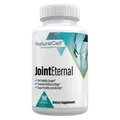
To support joint comfort and mobility, consider adding JointEternal to your daily routine. It delivers targeted, premium ingredients to support cartilage health. For comprehensive physical support, pair it with Advanced Amino Formula to provide essential amino acids that nourish your muscles, helping you stay strong.
Why These Support Your Muscular And Cardiovascular System
After age 35, adults lose 1-2% of muscle mass annually through sarcopenia - a process driven by reduced protein synthesis efficiency and hormonal changes. Without targeted nutritional intervention, this decline accelerates with each passing decade.
Understanding this biological process helps explain why targeted daily support - not just isolated dietary improvements - is necessary for consistent results.
How Protein Synthesis Works
Muscle protein synthesis requires a sufficient supply of essential amino acids at the ribosomal level, particularly leucine, which directly activates the mTOR pathway. This anabolic signaling cascade triggers new muscle protein production in the hours following resistance training.
This mechanism explains why the biological factors discussed in this article are not merely lifestyle suggestions but represent the foundational drivers of long-term muscular health.
Why These Support Your Biological Systems
The biological systems that regulate long-term health require consistent, targeted nutritional support to function optimally. Gaps in micronutrient intake create compounding deficits that accelerate cellular aging and systemic decline.
Understanding this biological process helps explain why targeted daily support is necessary for consistent results.
How Cellular Health Works
Cellular health depends on the efficient operation of enzymatic pathways that require specific vitamins, minerals, and botanical cofactors. When these nutrients are deficient, the body prioritizes acute survival functions over long-term tissue maintenance and repair.
This mechanism explains why the biological factors discussed in this article represent the foundational drivers of long-term biological systems health.
Scientific References & Validation
Full citations with PMID links, methodology notes & evidence ratings on puresupphub.com