Few things disrupt a peaceful night of rest like the sharp, shooting discomfort of sciatic nerve pain. Stretching from your lower back, through your hips, and down each leg, the sciatic nerve is the longest nerve in the human body. When it becomes compressed or irritated due to muscle tightness or poor daily posture, it can trigger a persistent, burning ache that makes finding a comfortable sleeping position nearly impossible.
Few things disrupt a peaceful night of rest like the sharp, shooting discomfort of sciatic nerve pain. Stretching from your lower back, through your hips, and down each leg, the sciatic nerve is the longest nerve in the human body. When it becomes compressed or irritated due to muscle tightness or poor daily posture, it can trigger a persistent, burning ache that makes finding a comfortable sleeping position nearly impossible.
While daytime activity is crucial, establishing a dedicated, low-impact evening stretching routine is one of the most effective ways to decompress the spine, relax tight piriformis muscles, and soothe irritated nerve roots before bed. By calming these physical pathways, you signal your nervous system to wind down, reducing nighttime muscle spasms and allowing your body to enter a restorative state of sleep.
Key Takeaways
- Piriformis Relief: The sciatic nerve passes directly under (and sometimes through) the piriformis muscle. Relaxing this muscle instantly takes pressure off the nerve.
- Decompression: Gentle spinal flexion creates space between the lumbar vertebrae, relieving compression on the nerve roots.
- Parasympathetic Shift: Slow, gentle stretching before bed shifts the body out of "fight or flight" and into the "rest and digest" parasympathetic state, lowering systemic nerve sensitivity.
3 Evening Stretches for Nerve Comfort
1. The Reclined Pigeon Stretch (Figure-Four)
This gentle floor stretch targets the piriformis muscle deep in the glutes, which is a primary culprit behind sciatic nerve compression and shooting leg discomfort.
The Routine: Lie flat on your back with your knees bent and feet flat on the floor. Cross your painful leg over the opposite knee, creating a figure-four shape. Reach through your legs and clasp your hands behind your thigh. Gently pull your knee toward your chest until you feel a deep, comfortable stretch in the glute of your crossed leg. Hold this position for 30 seconds, breathing deeply, then switch sides. This stretch physically broadens the piriformis muscle, easing pressure on the underlying nerve.2. The Knee-to-Chest Lumbar Decompression
This simple movement gently stretches the lower back muscles and increases the space between the lower lumbar vertebrae, where the sciatic nerve roots originate.
The Routine: Remaining on your back, extend your legs straight out. Slowly draw one knee up toward your chest, clasping your shin with both hands. Gently pull your knee as close to your chest as comfortable. Keep your neck and shoulders relaxed on the floor. Hold for 30 seconds, taking slow, deep abdominal breaths, and repeat with the other leg. By creating a mild flexion in the lower spine, you reduce the physical pinching of the nerve roots as they exit the spinal column.3. The Seated Spinal Twist
Tightness in the muscles supporting the spine can lock the lower back in a compressed position, worsening sciatic pain when you lie down to sleep.
The Routine: Sit comfortably on the floor with your legs extended straight in front of you. Bend your right knee and place your right foot flat on the outside of your left knee. Hug your right knee with your left arm, and place your right hand on the floor behind you for support. Gently twist your upper body to the right, looking over your right shoulder. Hold this gentle twist for 30 seconds, feeling the release along your lower back and hip, then repeat on the opposite side. This rotation helps mobilize the spine and improves blood flow to the surrounding nerve endings.Advanced Nerve Support and Systemic Regeneration
While targeted stretching is highly effective for relieving acute physical pressure on the sciatic pathway, long-term nerve comfort requires supporting the health of the nerve endings themselves and protecting the delicate myelin sheath that insulates them.
To reinforce your nervous system from the inside out:
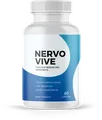
Consistently taking Nervovive helps support nerve cell resilience and comfort. Utilizing a synergistic botanical matrix featuring Passion Flower, California Poppy, and Corydalis, Nervovive helps modulate GABAergic pathways to calm hyperactive sensory signals, reduce local oxidative stress, and lay down a strong foundation for long-term nerve health.
For complete cognitive and neural defense, supplementing with NeuroFortis provides advanced neuroprotective support. Formulated with a premium matrix of nootropics and cellular energy precursors, NeuroFortis protects neural pathways from age-related decline, promotes synaptic plasticity, and supports healthy circulation to ensure active nutrients reach peripheral nerve endings efficiently.
By combining gentle physical decompression with high-quality structural support, you can soothe sciatic irritation, rest peacefully, and wake up moving freely.
Why These Support Your Brain And Nervous System
Cognitive function depends on a delicate balance of neurotransmitters and consistent neuronal signaling. As these systems become disrupted by aging, oxidative stress, or poor nutrition, memory and focus begin to decline noticeably.
Understanding this biological process helps explain why targeted daily support - not just isolated dietary improvements - is necessary for consistent results.
Scientific References & Validation
Full citations with PMID links, methodology notes & evidence ratings on puresupphub.com