Waking up feeling tired can ruin your entire day before it even starts. Many of us reach for a sweet coffee or a sugary breakfast to wake up, but these habits only lead to rapid blood sugar crashes. To build long-lasting, steady morning energy, you need simple, natural habits that work with your body's natural rhythms.
Waking up feeling tired can ruin your entire day before it even starts. Many of us reach for a sweet coffee or a sugary breakfast to wake up, but these habits only lead to rapid blood sugar crashes. To build long-lasting, steady morning energy, you need simple, natural habits that work with your body's natural rhythms.
Here are three simple, science-backed habits to boost your morning energy levels naturally.
Key Takeaways
- Hydration Refresh: Drinking water early increases blood volume and restores mental clarity.
- Sunlight Signal: Morning light exposure halts melatonin and sets your waking rhythm.
- Offline Wakeup: Delaying screen time keeps stress hormones low and focus high.
1. Drink 16 Ounces of Water First Thing
Your body goes 7 to 8 hours without water while you sleep. Waking up dehydrated slows down your circulation and makes you feel tired. Drinking a large glass of room-temperature water as soon as you get out of bed rehydrates your cells, supports oxygen delivery, and wakes up your metabolism.
2. Get 5 to 10 Minutes of Morning Sunlight
Step outside or stand near a window within an hour of waking up. Sunlight exposure triggers a natural cortisol release, which wakes you up, improves your mood, and sets your body's internal clock for daytime alertness.
3. Move Your Body for 3 Minutes
You don't need a heavy workout. A quick sequence of jumping jacks, bodyweight squats, or light stretches is enough to get your heart pumping and push oxygen-rich blood to your brain cells, clearing away morning grogginess.
Support Your Energy from Within
Building healthy morning habits is the foundation of physical vitality, and you can support your body's energy production by supplying your cells with targeted, clean nutrition.
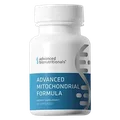
Taking a daily supplement like Pep Tonic can help support clean stamina and physical energy. For comprehensive cellular support, pair it with Advanced Mitochondrial Formula to nourish your mitochondria and keep your daily vitality high from morning to night.
Why These Support Your Mitochondrial And Adrenal System
Persistent fatigue is often a symptom of mitochondrial dysfunction rather than simple sleep deprivation. Oxidative damage to mitochondrial membranes reduces the efficiency of ATP production, leaving cells energetically depleted despite adequate rest.
Understanding this biological process helps explain why targeted daily support - not just isolated dietary improvements - is necessary for consistent results.
How Atp Production Works
Energy production begins in the mitochondrial electron transport chain, where electrons from NADH and FADH2 drive proton gradients that power ATP synthesis. CoQ10 and B-vitamins act as essential cofactors in this process, and their depletion directly reduces cellular energy output.
This mechanism explains why the biological factors discussed in this article are not merely lifestyle suggestions but represent the foundational drivers of long-term mitochondrial health.
Why These Support Your Mitochondrial And Adrenal System
Persistent fatigue is often a symptom of mitochondrial dysfunction rather than simple sleep deprivation. Oxidative damage to mitochondrial membranes reduces the efficiency of ATP production, leaving cells energetically depleted despite adequate rest.
Understanding this biological process helps explain why targeted daily support is necessary for consistent results.
How Atp Production Works
Energy production begins in the mitochondrial electron transport chain, where electrons from NADH and FADH2 drive proton gradients that power ATP synthesis. CoQ10 and B-vitamins act as essential cofactors in this process, and their depletion directly reduces cellular energy output.
This mechanism explains why the biological factors discussed in this article represent the foundational drivers of long-term mitochondrial health.
Scientific References & Validation
Full citations with PMID links, methodology notes & evidence ratings on puresupphub.com