For many adults, working on a computer or scrolling through a phone for hours is a daily necessity. But by the end of the day, this screen time often leaves us with dry, burning eyes, blurred vision, and a dull headache. While screen fatigue is common, the long-term impact of constant exposure to high-energy blue light and reduced blinking is much more serious: it accelerates macular degradation and breaks down your protective tear film.
For many adults, working on a computer or scrolling through a phone for hours is a daily necessity. But by the end of the day, this screen time often leaves us with dry, burning eyes, blurred vision, and a dull headache. While screen fatigue is common, the long-term impact of constant exposure to high-energy blue light and reduced blinking is much more serious: it accelerates macular degradation and breaks down your protective tear film.
The macula is the central portion of the retina responsible for sharp, straight-ahead vision. It is protected by macular pigments - lutein and zeaxanthin - that act as internal sunglasses, absorbing harmful blue light. When these pigments are depleted, blue light penetrates deep into the retina, causing oxidative damage to the photoreceptor cells. At the same time, staring at screens causes your blink rate to drop by up to 50%, allowing your eyes' protective moisture to evaporate.
Fortunately, by incorporating a few daily habits into your screen routine, you can shield your macula, keep your eyes hydrated, and protect your long-term vision.
Key Takeaways
- The Tear Film Shield: Your tear film consists of a water layer and a lipid (oil) layer that prevents evaporation. Staring at screens disrupts this delicate balance.
- Macular Pigment Density: Nourishing your eyes with specialized carotenoids is critical for blocking blue light before it reaches the retina.
- Blink Activation: Voluntary, complete blinking is necessary to pump protective oils from your eyelids onto the surface of your eyes.
3 Habits for Complete Eye Comfort
1. Practice the 20-20-20 Rule with Complete Blinks
When we stare at screens, we not only blink less frequently, but we also perform incomplete blinks - where the upper and lower eyelids do not touch. This fails to coat the eye with fresh moisture.
The Routine: Every 20 minutes, look away from your screen at an object at least 20 feet away for 20 seconds. During this break, perform 5 slow, deliberate, complete blinks. Close your eyes fully, squeeze gently for one second, and open them. This action activates the meibomian glands in your eyelids, releasing the lipids needed to stabilize your tear film.2. Spend 15 Minutes in Ambient Outdoor Light
Our eyes evolved to process natural light, which is rich in supportive red and near-infrared wavelengths. Staring exclusively at artificial indoor lighting deprives the retina of this balancing spectrum.
The Habit: Step outside for 10 to 15 minutes each day without sunglasses (ensure you never look directly at the sun). The ambient natural light triggers pupil constriction, which exercises the iris muscles, and stimulates the production of natural protective pigments within the retina to build resilience against blue light stress.3. Implement the Nighttime Warm Lid Compress
Many people suffer from dry, gritty eyes in the morning because their eyelid glands become clogged with hardened lipids, preventing the release of natural lubricating oils.
The Tweak: Before bed, soak a clean washcloth in warm (not hot) water, wring it out, and place it over your closed eyes for 3 minutes. The gentle heat melts any blocked oils within the eyelid glands. After removing the cloth, use your fingertip to gently massage your eyelids - downward for the upper lid, and upward for the lower lid - to clear the pathways for healthy morning lubrication.Advanced Retinal and Dermal Protection
While daily habits are vital for managing dry eyes and screen fatigue, long-term macular preservation and visual clarity require feeding your retinas the specific antioxidants they need to resist blue light damage.
To support your vision from the inside out:
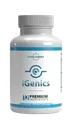
Taking iGenics daily provides your eyes with a high-potency ocular defense formula. Rich in lutein, zeaxanthin, bilberry, and saffron, iGenics directly reinforces your macular pigment density, creating a powerful block against blue light and neutralizes the free radicals that cause cellular degeneration in the retina.
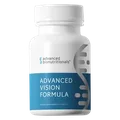
To complement this protection, taking Advanced Vision Formula supplies your eyes with essential visual vitamins and circulation-enhancing compounds. By supporting healthy blood flow to the optic nerve and providing raw nutrients for night vision, this advanced formulation maintains sharp focus and reduces daily eye strain.
By keeping your tear film hydrated with regular blinking and nourishing your retinas with targeted carotenoids, you can maintain clear, comfortable vision for years to come.
Why These Support Your Ocular And Vascular System
Age-related macular degeneration (AMD) begins with oxidative damage to photoreceptor cells decades before visual symptoms emerge. UV exposure, blue light from screens, and systemic inflammation all accelerate this cellular deterioration.
Understanding this biological process helps explain why targeted daily support - not just isolated dietary improvements - is necessary for consistent results.
How Retinal Antioxidant Protection Works
The macula - the central region of the retina responsible for sharp vision - has the highest metabolic activity and oxygen demand in the body. Lutein and zeaxanthin accumulate in the macular pigment layer, acting as biological blue-light filters and antioxidants.
This mechanism explains why the biological factors discussed in this article are not merely lifestyle suggestions but represent the foundational drivers of long-term ocular health.
Why These Support Your Ocular And Vascular System
Age-related macular degeneration (AMD) begins with oxidative damage to photoreceptor cells decades before visual symptoms emerge. UV exposure, blue light from screens, and systemic inflammation all accelerate this cellular deterioration.
Understanding this biological process helps explain why targeted daily support is necessary for consistent results.
How Retinal Antioxidant Protection Works
The macula has the highest metabolic activity and oxygen demand in the body. Lutein and zeaxanthin accumulate in the macular pigment layer, acting as biological blue-light filters and antioxidants that protect retinal photoreceptors from oxidative damage.
This mechanism explains why the biological factors discussed in this article represent the foundational drivers of long-term ocular health.
Scientific References & Validation
Full citations with PMID links, methodology notes & evidence ratings on puresupphub.com