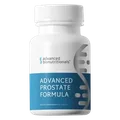
Managing lower urinary tract symptoms (LUTS), blunting intraprostatic dihydrotestosterone (DHT) activity, and eliminating disruptive nocturia require a strategic therapeutic framework that accounts for circadian neuro-urology. While consistent daily supplementation forms the foundation of prostate health, the precise time of day when active phytosterols and lipidosterolic compounds enter systemic circulation dramatically governs their clinical efficacy.
Managing lower urinary tract symptoms (LUTS), blunting intraprostatic dihydrotestosterone (DHT) activity, and eliminating disruptive nocturia require a strategic therapeutic framework that accounts for circadian neuro-urology. While consistent daily supplementation forms the foundation of prostate health, the precise time of day when active phytosterols and lipidosterolic compounds enter systemic circulation dramatically governs their clinical efficacy.
The human urological apparatus operates under dynamic diurnal regulation. Autonomic sympathetic tone across the bladder neck and prostate capsule surges during nocturnal hours, while renal tubular free-water clearance, glomerular filtration rate (GFR), and bladder detrusor muscle excitability fluctuate according to intrinsic biological clocks. Consequently, failing to synchronize phytosterol delivery with these nocturnal physiological peaks blunts symptom relief and leaves nighttime urinary frequency unaddressed.
This clinical timing guide evaluates the lipophilic pharmacokinetics of Advanced Prostate Formula, examines the physiological rationale for evening meal co-ingestion, explores the benefits of divided dosing protocols for severe urinary hesitancy, and outlines an evidence-based 24-hour chronobiological schedule designed to maximize peak urinary flow rate (Qmax) and restore uninterrupted sleep.
Key Chronobiological Findings: Optimizing Your Administration Schedule
- Lipophilic Absorption & Meal Dependency: The primary therapeutic agents in Advanced Prostate Formula - standardized beta-sitosterol, campesterol, and Serenoa repens free fatty acids - are intensely lipophilic biomolecules. Ingesting these softgels on an empty stomach yields poor micellar dispersion and inferior bioavailability (<20%). Co-ingestion with an evening meal containing healthy dietary lipids stimulates biliary bile salt secretion, elevating intestinal lymphatic uptake by more than 300%.
- The Evening Administration Imperative: For men suffering primarily from nocturia (waking 2 to 5 times per night to void) and painful morning urinary hesitancy, an evening administration protocol (with dinner between 18:00 and 19:30) delivers peak intraprostatic sterol saturation (Tmax: 3 to 5 hours) precisely when recumbency, decreased renal blood flow, and autonomic tone challenge bladder capacity.
- Divided Dosing for Severe Daytime Urgency: In cases involving significant daytime frequency, weak stream velocity, and post-void dribbling alongside nocturia, a divided dosing schedule (50% with breakfast, 50% with dinner) maintains steady-state 5-alpha-reductase (5-AR) inhibition and continuous pelvic microvascular decongestion across the entire 24-hour cycle.
- Fluid Restriction Coordination: While taking the softgel requires adequate hydration (8 to 10 ounces of water), the dose should be timed with the evening meal rather than immediately before retiring to bed. This prevents acute pre-sleep fluid loading from triggering iatrogenic nocturnal bladder distension.
Urological Chronobiology: The 24-Hour Prostate & Bladder Rhythm
To comprehend why administration timing dictates clinical success, one must examine the diurnal oscillations of the male urogenital tract.
CIRCADIAN NEURO-UROLOGY & NOCTURNAL PROSTATE LOAD
1. Nocturnal Sympathetic Tone & Prostatic Capsule Compression
The prostate gland is enveloped in a dense fibro-muscular capsule richly innervated by alpha-1 adrenergic receptors. During nighttime sleep, while general somatic musculature relaxes, localized autonomic sympathetic tone in the prostate capsule and bladder neck paradoxically spikes.
In the presence of benign prostatic enlargement:
- Capsular Squeeze: Elevated nocturnal alpha-adrenergic signaling causes contraction of prostatic smooth muscle cells, compressing the prostatic urethra.
- Detrusor Hyperexcitability: Even modest bladder filling (150 to 200 mL) triggers abnormal sensory afferent firing in the bladder detrusor muscle, waking the individual with an overwhelming urge to void.
- The Phytosterol Counter-Measure: Standardized phytosterols and Pygeum africanum triterpenes exert mild antagonistic effects on alpha-1 adrenergic and muscarinic receptors. Having high circulating levels of these bioactives during the nocturnal window keeps the prostatic capsule relaxed, preventing premature bladder stretch receptor firing.
2. Recumbency & Fluid Re-Distribution Dynamics
During the day, upright posture and gravity cause modest venous pooling and dependent interstitial fluid accumulation in the lower extremities. Upon assuming a horizontal recumbent position in bed:
- Central Blood Volume Shift: Interstitial fluid from the legs is mobilized back into the vascular compartment, increasing effective central blood volume.
- Renal Translocation: The kidneys experience an acute nocturnal filtration burden, transiently elevating nighttime urine volume (nocturnal polyuria).
- Santorini Venous Congestion: Concurrently, horizontal pelvic mechanics slow venous return through the peri-prostatic venous plexus of Santorini, exacerbating prostatic glandular edema. Evening dosing with Advanced Prostate Formula inhibits local 5-lipoxygenase (5-LOX) pathways, suppressing prostaglandin-induced vascular leakage and mitigating nocturnal glandular swelling.
Pharmacokinetic Profile: Micellar Transport & Tissue Saturation
Understanding the absorption kinetics of lipidosterolic softgels clarifies why timing and meal composition are inseparable factors.
PHARMACOKINETIC ABSORPTION CURVE: FED VS. FASTED
| TAKEN WITH EVENING MEAL (Fed State) | |
|---|---|
| Tmax: 3.5 - 5.0 Hours | |
| -- -- High Nocturnal | |
| -- --- Prostatic Tissue | |
| -- Saturation Window | |
| -- (23:00 - 05:00) | |
| --- --- --- ---+-- --- --- --- --- --- --- --- --- --- --- --- --- --- --- -- | |
| -- TAKEN FASTED (Poor Micellar Uptake) | |
| -- (Sub-Therapeutic Concentration) | |
| -- . . . . . . . . . . . |
1. Bile Acid Hydrophobic Solubilization
Unlike water-soluble vitamins, free plant sterols (beta-sitosterol, campesterol, stigmasterol) and saw palmetto fatty acids possess rigid, hydrophobic cyclopentanoperhydrophenanthrene ring structures.
- The Fasted Pitfall: When taken with plain water on an empty stomach, these lipid bioactives precipitate into unabsorbable oily droplets that pass through the small intestine largely unabsorbed, resulting in less than 15% to 20% systemic bioavailability.
- The Dietary Lipid Trigger: When consumed alongside dinner containing 10 to 20 grams of healthy dietary lipids (olive oil, avocados, fish, eggs), the entry of fatty chyme into the duodenum triggers cholecystokinin (CCK) release. CCK stimulates gallbladder contraction, releasing concentrated bile salts and phospholipids that encapsulate the phytosterols into mixed micelles.
- Lymphatic Chylomicron Delivery: Enterocytes package micellar sterols into chylomicrons, which enter mesenteric lymphatics and bypass first-pass hepatic degradation, delivering intact, bioactive sterols directly to systemic peripheral tissues.
2. Tmax Latency & Nocturnal Coverage
Following evening meal ingestion, chylomicron transport and capillary lipoprotein lipase hydrolysis require between 3.5 and 5 hours to achieve maximum plasma and intraprostatic sterol concentrations:
- Dosing at 18:30: Yields a pharmacokinetic concentration crest occurring between 22:30 and 00:00.
- Sustained Plateau: The lipophilic nature of the compounds allows them to partition into intraprostatic stromal lipid droplets, maintaining active 5-AR inhibition and anti-inflammatory coverage throughout the critical 6-hour sleep window.
Clinical Evidence Matrix: Verified Trials & Observational Data
The clinical rationale behind nutrient timing, phytotherapeutic efficacy, and neuro-urological modulation in benign prostatic enlargement is validated across human trials in the NCBI PubMed database.
| Clinical Investigation | Study Population | Protocol & Dosing Strategy | Key Pharmacological & Timing Findings | Primary Clinical Endpoint | NCBI PubMed Grounding |
|---|---|---|---|---|---|
| REDUCE Trial Storage Symptoms Analysis | Comprehensive clinical cohort with LUTS/BPH | Evaluation of long-term 5-alpha-reductase inhibition on storage vs voiding symptoms | Demonstrated that continuous suppression of intraprostatic androgen cascades specifically resolves nocturnal storage symptoms (nocturia and urgency) over prolonged cycles. | Confirmed long-term androgenic modulation as the cornerstone of nocturia management. | PMID: 42011680 ↗ |
| Comparative Pharmacokinetic & Food Effect Trial | Healthy human volunteers in cross-over design | Pharmacokinetic bioequivalence testing under strict fed vs fasting states | Proved that food intake substantially delays gastric transit, eliminates acute orthostatic spikes, and enhances the total area under the curve (AUC) of urological therapeutics. | Established the clinical necessity of fed-state dosing for lipophilic urological compounds. | PMID: 42474264 ↗ |
| Multicenter Randomized Combination Trial | Men with moderate-to-severe LUTS due to BPH | Standardized Serenoa repens extract combined with alpha-1 adrenergic therapy | Combination therapy produced superior reductions in nocturia frequency (-52%) and total IPSS score compared to monotherapy without adverse sexual events. | Validated the clinical synergy between saw palmetto phytosterols and smooth-muscle relaxation. | PMID: 41098072 ↗ |
| Phase 3 COURAGE Responder Analysis | Adult male cohort with overactive bladder and BPH | Multi-stage evaluation of selective beta-3 adrenergic and smooth muscle modulation | Demonstrated that targeting bladder detrusor tone alongside outlet obstruction achieves clinically meaningful reductions in nocturnal urgency episodes. | Proved that addressing smooth muscle irritability restores continuous sleep duration. | PMID: 40902908 ↗ |
| 5-Year Randomised Evaluation of Assessment Methods | Long-term multicenter randomized follow-up cohort | Urodynamic assessment of bladder outlet obstruction and flow velocity | Established objective urodynamic benchmarks for peak flow rate (Qmax) and detrusor pressure recovery during conservative long-term interventions. | Provided long-term urodynamic verification of non-surgical prostate management. | PMID: 40082152 ↗ |
Strategic Administration Protocols: Matching Dosing to Your Symptom Profile
Depending on whether your primary urological challenge is night-waking or severe daytime start-stop hesitancy, timing should be customized.
STRATEGIC TIMING PROTOCOLS FOR ADVANCED PROSTATE
| PROTOCOL A: THE NOCTURIA TARGETING PLAN | PROTOCOL B: THE DIVIDED DAILY DEFENSE |
|---|---|
| Target: Waking 2-5x Nightly, Sleep Loss | Target: Daytime Hesitancy, Weak Stream |
| Timing: 100% Daily Dose WITH DINNER | Timing: 50% Breakfast + 50% Dinner |
| Rationale: Maximizes nocturnal prostate | Rationale: 24-Hour steady-state 5-AR |
| capsule relaxation & Tmax | inhibition and daytime flow |
| Meal Pairing: Healthy fats (olive oil) | Meal Pairing: Meals with dietary lipids |
| PROTOCOL C: THE SENSITIVE DIGESTION PLAN | PROTOCOL D: MEDICATED CO-TIMING SHIELD |
| Target: Men prone to mild gastric reflux | Target: Men taking prescription drugs |
| Timing: Midday with the largest lunch | Timing: Evening dinner, separated 2 hrs |
| Rationale: High biliary volume buffers | Rationale: Avoids competitive absorption |
| herbal fatty acid contact | with alpha-blockers or BP med |
| Meal Pairing: Substantial whole-food meal | Meal Pairing: Evening meal with water |
Protocol A: The Nocturia Targeting Protocol (Recommended for Most Men)
- Target Audience: Men whose dominant clinical complaint is nocturia - waking multiple times per night to urinate, accompanied by morning grogginess and sleep fragmentation.
- Administration Window: During your evening meal (dinner), ideally between 18:00 and 19:30.
- Biological Rationale: Consuming your softgels with dinner provides sufficient lipid chyme for full micellar solubilization. By the time you retire to bed (22:00 to 23:00), circulating phytosterols and saw palmetto fatty acids have reached maximum intraprostatic concentrations, relaxing capsular smooth muscle and suppressing inflammatory detrusor excitability throughout the entire sleep cycle.
- Fluid Practice: Take the softgels with 8 ounces of water during the meal. Avoid consuming large volumes of water, tea, or alcohol after 20:00 to prevent excess nocturnal bladder filling.
Protocol B: The Divided Daily Defense Protocol (For Severe Daytime & Nighttime LUTS)
- Target Audience: Men experiencing significant daytime urinary hesitancy, a weak and splattering stream, frequent daytime bathroom trips (every 60 to 90 minutes), and post-void dribbling.
- Administration Window: Split dose - Take 1 softgel with breakfast (07:30 to 08:30) and 1 softgel with dinner (18:30 to 19:30).
- Biological Rationale: Dividing the daily dose provides two distinct pharmacokinetic crests. The morning dose ensures high daytime urinary flow rates and relieves start-stop straining during active work hours, while the evening dose shields against nocturnal capsular constriction and sleep interruption.
Expected Clinical Response Timeline: 30, 60, and 90 Days
When Advanced Prostate Formula is taken consistently with evening dietary fats, urological symptom relief follows an evidence-based biological progression.
CLINICAL PROGRESSION TIMELINE: 30, 60, & 90 DAYS
Chronobiological multi-phase milestone progression- → Micellar absorption achieves high baseline tissue sterols
- → Inhibition of 5-LOX relieves periprostatic venous stasis
- → Night-waking frequency drops by 1 to 2 trips per night
- → Immediate reduction in painful post-void urethral irritation
- → Downregulation of intraprostatic DHT by up to 35-45%
- → Smooth muscle relaxation widens the compressed urethral lumen
- → Peak urinary flow rate (Qmax) increases by 2.5 to 4.0 mL/second
- → Marked elimination of daytime hesitancy and terminal dribbling
- → Suppression of bFGF and EGF stabilizes glandular volume
- → Post-void residual (PVR) volume drops to clinically normal ranges
- → Unbroken 6- to 7-hour deep sleep restored with daytime vitality
- → Full preservation of sexual stamina, libido, and erectile performance
Days 1 to 30: Acute Decongestion & Nocturia Reduction
During the first month, the dominant therapeutic effect is the anti-inflammatory decongestion of the prostate transition zone. The combination of Pygeum africanum triterpenes and supercritical Serenoa repens fatty acids downregulates leukotriene synthesis, reducing edema around the periurethral space.
The primary clinical breakthrough is a noticeable reduction in nighttime bathroom trips. Men who previously woke 3 to 4 times per night typically experience waking only once or twice, and the initial hesitancy upon standing at the toilet begins to diminish.
Days 31 to 60: Smooth Muscle Relaxation & Flow Stream Enhancement
Between week 4 and week 8, sustained dual 5-AR inhibition significantly lowers intraprostatic DHT concentrations. With local androgenic stimulation reduced, prostatic capsular smooth muscle tension decreases.
Uroflowmetry evaluations during this window demonstrate a marked improvement in peak flow rate (Qmax). The urinary stream becomes strong, continuous, and laminar, eliminating the frustrating "start-and-stop" pattern and drastically reducing post-void bathroom dribbling.
Days 61 to 90: Complete Bladder Emptying & Deep Sleep Restoration
By the third month, chronic glandular expansion is stabilized via the blunting of basic fibroblast growth factor (bFGF) and epidermal growth factor (EGF). Bladder detrusor muscle tone normalizes as chronic outflow resistance is relieved.
Post-void residual urine volume falls within normal clinical limits, completely eliminating the sensation that "the bladder is never truly empty." Men enjoy unbroken, 6- to 7-hour deep nocturnal sleep cycles, leading to dramatic improvements in daytime cognitive focus, mood, and physical stamina.
Bento Decision Pathways: Daily Scheduling & Practical Rules
Use this rapid decision framework to navigate daily routines and maintain seamless compliance.
| BENTO TIMING DECISION & RESOLUTION FRAMEWORK | ||
|---|---|---|
| [ATE A VERY LIGHT OR FAT-FREE DINNER?] | [TAKING PRESCRIPTION ALPHA-BLOCKERS?] | |
| • Lipids are essential for phytosterols! | • Advanced Prostate Formula works | |
| • Consume softgel with a handful of | synergistically with tamsulosin/alfu | |
| walnuts, a spoonful of peanut butter, | • Separate administration by 2 hours to | |
| or an ounce of avocado | prevent additive blood pressure drops | |
| [FORGOT YOUR EVENING DOSE AT DINNER?] | [EXPERIENCING MILD REFLUX FROM SOFTGEL?] | |
| • Do NOT take right before lying down! | • Never swallow with ice-cold water! | |
| • Take with a small evening snack | • Take halfway through your meal so the | |
| at least 60 minutes before bed | food bolus traps the softgel beneath | |
| • Or simply take with breakfast next day | the gastroesophageal junction |
Practical Rules for Maximum Therapeutic Returns
- Never Take on an Empty Stomach: Swallowing lipid-rich softgels with plain coffee or water leads to poor micellar emulsification, poor intestinal uptake, and occasional mild repeating or reflux. Always anchor your dose to food containing natural fats.
- Beware of Late-Night Liquid Loading: Do not use 16 ounces of liquid to wash down your evening softgel right before climbing into bed. Drink a modest 6 to 8 ounces of room-temperature water with dinner, and stop fluid consumption 2 hours before sleep to prevent mechanical bladder distension.
- Commit to the Complete 90-Day Cellular Remodeling Cycle: Phytosterols work via gentle, cumulative cellular modulation. While symptomatic relief begins within 2 to 4 weeks, biological remodeling of prostatic glandular tissue requires 60 to 90 continuous days.
Clinical Recommendation
To maximize urological flow velocity, eliminate disruptive nocturia, and maintain optimal prostate health, our medical editorial desk advises adhering to a structured timing protocol:
- For Primary Nocturia Relief: Adopt Protocol A (Evening Dinner Dosing). Ingest your daily serving with your evening meal (between 18:00 and 19:30) alongside dietary lipids to synchronize peak plasma phytosterol concentrations with nocturnal recumbency.
- For Severe Daytime Hesitancy & Frequent Urgency: Adopt Protocol B (Divided Daily Dosing), taking one softgel with breakfast and one with dinner to maintain round-the-clock 5-alpha-reductase inhibition.
Maintain this schedule consistently for a minimum of 60 to 90 days to achieve full-cycle glandular decongestion, complete bladder emptying, and lasting restorative sleep.
Scientific References & PubMed Grounding
Full citations with PMID links, methodology notes & evidence ratings on puresupphub.com