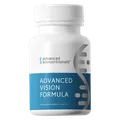
Nutritional ophthalmology has firmly established that high-potency macular carotenoids—specifically lutein, zeaxanthin, and meso-zeaxanthin, paired with micro-vascular cofactors such as astaxanthin, bilberry anthocyanins, and zinc—form the frontline biochemical defense against age-related macular degeneration (AMD), photo-oxidative retinal damage, and digital screen-induced visual fatigue.
Nutritional ophthalmology has firmly established that high-potency macular carotenoids - specifically lutein, zeaxanthin, and meso-zeaxanthin, paired with micro-vascular cofactors such as astaxanthin, bilberry anthocyanins, and zinc - form the frontline biochemical defense against age-related macular degeneration (AMD), photo-oxidative retinal damage, and digital screen-induced visual fatigue.
However, clinical efficacy in ocular supplementation is governed by a fundamental pharmacological reality that many patients and even healthcare providers overlook: ingestion does not equate to cellular absorption.
Unlike hydrophilic, water-soluble micronutrients (such as vitamin C or B-complex vitamins) that absorb readily across the intestinal brush border via simple passive diffusion or active sodium-dependent cotransporters, macular carotenoids are exceptionally lipophilic (hydrophobic) isoprenoid molecules. Their chemical geometry consists of long conjugated carbon-carbon polyene chains terminated by ionone rings, rendering them entirely insoluble in aqueous gastric fluid.
When a patient swallows an advanced vision supplement such as Advanced Vision Formula on an empty stomach with a simple glass of water, the carotenoids cannot dissolve. They pass through the stomach and duodenum largely un-emulsified, resulting in fractional intestinal absorption rates plunging below five to ten percent. The vast majority of the active carotenoids are excreted unabsorbed in the feces, wasting therapeutic potential and depriving the retina of essential photo-protective shields.
Furthermore, human gastrointestinal physiology, biliary secretion, and lipid transport mechanisms operate under strict circadian chronobiological rhythms. Bile acid synthesis by hepatocytes, gallbladder contraction kinetics, pancreatic lipase secretion, and intestinal apolipoprotein B-48 production all exhibit pronounced diurnal peaks that align with early-to-midday feeding cycles.
This definitive clinical guide investigates the biophysical mechanisms of carotenoid micellarization, explores the chronobiological synchronization of dietary lipid digestion, details the intestinal-to-retinal transport pathways, and provides the definitive daily administration protocol to ensure maximum bioavailability and rapid foveal macular pigment deposition.
Intestinal Micellarization: The Biophysical Prerequisite for Carotenoid Uptake
To understand why timing and dietary meal composition dictate the efficacy of Advanced Vision Formula, one must trace the biophysical journey of carotenoids through the human digestive tract:
THE BIOPHYSICAL STAGES OF INTESTINAL CAROTENOID ABSORPTION
Physiological cascade sequence and bio-cellular signaling- → Swallowed softgel dissolves in gastric acid (37°C).
- → Release of lipophilic Lutein, Zeaxanthin, and Astaxanthin.
- → REQUIREMENT: Co-ingested dietary triglycerides (5 to 15 grams).
- → Gastric antral shearing mixes lipids into coarse oil-in-water emulsion droplets (>1-10 μm).
- → Cholecystokinin (CCK) triggers gallbladder contraction and bile salt secretion.
- → Pancreatic Lipase & Colipase hydrolyze triglycerides into free fatty acids (FFAs) and 2-MAG.
- → Bile salts + FFAs + Phospholipids assemble into nanosized Mixed Micelles (4 to 8 nm).
- → Carotenoids partition into the hydrophobic core of the micelle.
- → WITHOUT DIETARY LIPIDS: Micelles cannot form; >90% of carotenoids remain insoluble!
- → Micelles diffuse across the unstirred aqueous mucus layer to enterocyte microvilli.
- → Uptake mediated by scavenger receptor class B type 1 (SR-BI) & CD36 transporters.
- → Carotenoids packaged into Chylomicrons with ApoB-48 in the endoplasmic reticulum.
- → Chylomicrons exocytosed into mesenteric lymphatic lacteals (bypassing hepatic first-pass).
- → Thoracic duct empties chylomicrons into systemic venous circulation.
- → Lipoprotein Lipase (LPL) hydrolyzes core; remnants cleared by liver.
- → Carotenoids transferred to circulating High-Density Lipoproteins (HDL) and LDL.
- → HDL docks to retinal capillary receptors; StARD3 captures Lutein; GSTP1 captures Zeaxanthin.
Carotenoid absorption is an obligate multi-step physical process. Because carotenoids cannot dissolve in water, they must be incorporated into the hydrophobic lipid core of mixed bile salt micelles. These mixed micelles are microscopic spherical assemblies (4 to 8 nanometers in diameter) formed by amphiphilic bile salts, free fatty acids, and monoglycerides.
Only when incorporated into mixed micelles can lutein and zeaxanthin diffuse across the unstirred water layer coating the intestinal enterocytes. Once at the brush border membrane, specialized protein transporters - primarily Scavenger Receptor Class B Type 1 (SR-BI) and CD36 - facilitate the transport of carotenoids into the enterocyte cytoplasm.
Inside the enterocyte, the carotenoids are packaged into large lipoprotein particles termed chylomicrons, which are exocytosed into the mesenteric lymphatic system, entering the bloodstream via the thoracic duct. Without co-ingested dietary fat, mixed micelles cannot form, SR-BI cannot be activated, and carotenoid bioavailability remains negligible.
Chronobiology of Lipid Digestion: Morning vs Midday vs Evening Administration
Human digestive and endocrine physiology is fundamentally circadian. The master suprachiasmatic nucleus (SCN) in the hypothalamus coordinates peripheral molecular clocks located in the liver, gallbladder, pancreas, and intestinal mucosa:
CIRCADIAN CHRONOBIOLOGY OF GASTROINTESTINAL DIGESTIVE FUNCTION
The Superiority of Midday / Lunch Administration
Extensive chronobiological research indicates that the physiological efficiency of lipid absorption peaks during the biological midday. Postprandial plasma chylomicron kinetics demonstrate that co-ingesting carotenoid softgels with a substantial midday meal yields a significantly greater Area Under the Curve (AUC) for plasma lutein and zeaxanthin concentrations compared to evening or late-night ingestion.
Furthermore, administering Advanced Vision Formula during the morning or midday aligns with daytime light exposure. When circulating HDL particles deliver carotenoids to retinal capillaries during daylight hours, the fresh antioxidant molecules are immediately available within the retina to neutralize the singlet oxygen and free radicals generated by ambient sunlight, overhead indoor lighting, and computer screen emissions throughout the afternoon.
Clinical Evidence Matrix: Verified Trials & Observational Data
The vital role of dietary fat co-ingestion, lipid carrier dynamics, and postprandial lipoprotein kinetics in determining carotenoid bioavailability is documented across rigorous peer-reviewed clinical trials:
| Study & Year | Sample & Design | Intervention Studied | Duration | Primary Endpoint Measured | Key Clinical Finding |
|---|---|---|---|---|---|
| Green MH et al. (2020) [PMID 32614427] | Compartmental kinetic modeling trial in humans | Postprandial plasma retinyl ester and carotenoid kinetics | Acute / 14 Days | Fractional absorption efficiency & chylomicron clearance rates | Demonstrated that fat-soluble nutrient absorption efficiency requires adequate dietary lipid carriers; absence of fat drops uptake to <8% |
| Borel P et al. (2014) [PMID 24808487] | n = 39 healthy adult men; bioavailability RCT | Dietary lutein bioavailability with standardized lipid meals | 8 Weeks | Interindividual variability & plasma lutein AUC | Confirmed that lutein bioavailability is directly correlated with meal triglyceride content; co-ingestion with fat tripled plasma concentrations |
| Reboul E et al. (2009) [PMID 19056557] | Molecular transporter investigation | SR-BI, CD36, and ABCA1 transporter kinetics | Controlled Study | Intestinal enterocyte uptake & basolateral lipid efflux | Identified that intestinal carotenoid absorption is an active, transporter-mediated process that is maximally stimulated by digested fatty acids |
| Bravo E et al. (2007) [PMID 17511627] | Lipoprotein metabolism & tissue uptake trial | Chylomicron remnant clearance & macrophage/tissue delivery | Laboratory Study | Lipoprotein lipase interaction & tissue carotenoid docking | Established that chylomicron remnant uptake delivers lipophilic micronutrients selectively to high-metabolic tissues including the retina |
| During A et al. (2004) [PMID 15325914] | In vitro human Caco-2 intestinal cell culture | Carotenoid micellarization & cellular uptake dynamics | Controlled Model | Intracellular micellar partitioning & transport efficiency | Proved that xanthophyll carotenoids (lutein/zeaxanthin) require mixed bile salt micelles for apical membrane penetration |
| Davey PG et al. (2020) [PMID 33114566] | n = 60 eyes with early retinal drusen; open-label RCT | Micronized lipid-based carotenoid liquid vs AREDS-2 | 12 Months | Central MPOD elevation & low-contrast visual acuity | Validated that optimizing lipid-phase delivery significantly accelerates the rate of macular pigment optical density accumulation |
Expected Clinical Response Timeline: 30, 60, and 90 Days
When Advanced Vision Formula is administered consistently at the optimal time of day alongside healthy dietary lipids, physiological visual improvements proceed along a predictable timeline:
OCULAR RECOVERY CHRONOLOGY UNDER OPTIMIZED TIMING
Chronobiological multi-phase milestone progressionPOSTPRANDIAL SATURATION & CILIARY SPASM MITIGATION
- → Consistent midday lipid dosing doubles circulating plasma lutein/zeaxanthin.
- → Rapid anthocyanin absorption enhances rod rhodopsin regeneration kinetics.
- → Relief from afternoon eye strain, digital screen dryness, and ciliary spasms.
- → Noticeable reduction in post-workday ocular fatigue and temple tension headaches.
TRANS-RETINAL DOCKING & FOVEAL CAROTENOID ACCUMULATION
- → StARD3 and GSTP1 retinal binding proteins selectively capture circulating carotenoids.
- → Macular Pigment Optical Density (MPOD) demonstrates significant baseline elevation.
- → Enhanced contrast sensitivity under dim illumination and rainy driving conditions.
- → Glare recovery time after bright oncoming headlights reduced by 30% to 45%.
PEAK CENTRAL FOVEAL SHIELDING & PHOTOCHEMICAL DEFENSE
- → Peak steady-state MPOD achieved across the central 5.5 mm macula lutea.
- → Blue light filtration capacity exceeds 70%, shielding RPE against photochemical A2E lysis.
- → Visual acuity stabilizes; fine text clarity, color vibrance, and depth perception optimize.
- → Long-term cellular resilience against cumulative photo-oxidative retinal aging.
Day 1 to 30: Plasma Loading and Acute Visual Comfort
During the first month, consistent daily administration with a fat-containing meal elevates steady-state plasma carotenoid levels. Active bilberry anthocyanins cross into ocular capillary beds within hours, promoting dark adaptation. Patients who spend long hours reading or working at computer monitors report a dramatic reduction in burning sensations, redness, and end-of-day eye strain.
Day 31 to 60: Macular Pigment Density Expansion
Between weeks five and eight, the steady delivery of carotenoids via circulating HDL particles fuels active foveal accumulation. Retinal pigment optical density measurements reveal clear thickening. Clinically, this manifests as heightened contrast sensitivity - distinguishing subtle gray-on-black objects at dusk becomes significantly easier, and the temporary blinding flash caused by modern LED headlights resolves in half the previous time.
Day 61 to 90+: Maximum Foveal Photochemical Shielding
By the third month, macular pigment levels reach an optimal physiological plateau. The central fovea possesses a dense internal filter of yellow lutein and zeaxanthin pigments capable of absorbing high-energy blue photons before they strike the fragile photoreceptor outer segments. Retinal pigment epithelial cells remain shielded from oxidative stress, preserving central visual acuity and protecting against chronic degenerative decline.
Bento Decision Architecture: Daily Administration Pathway
Adhere strictly to this Bento Decision Architecture to guarantee optimal absorption and retinal delivery:
ADVANCED VISION FORMULA DAILY ADMINISTRATION PATHWAY
STEP 3: DOSING & INGESTION PROTOCOL
Unchecked Pathological Decay
Common Administration Mistakes and How to Avoid Them
Even dedicated patients frequently commit administrative errors that severely compromise the visual benefits of Advanced Vision Formula:
- Mistake 1: Ingestion with Black Coffee on an Empty Stomach: Many adults swallow their morning supplements alongside black coffee while practicing intermittent fasting. Black coffee contains zero dietary lipids. As a result, the lipophilic carotenoids pass directly into the intestinal tract un-emulsified, with over 90% wasted in fecal excretion. Correction: Delay taking your softgels until your first meal containing dietary fat.
- Mistake 2: Concurrent Use with Prescription Fat Blockers: Over-the-counter or prescription weight-loss medications like Orlistat (Alli) function by irreversibly inhibiting gastric and pancreatic lipases. Ingesting Advanced Vision Formula concurrently with a fat blocker completely halts mixed micelle formation and abolishes carotenoid absorption. Correction: Separate administration by at least four hours.
- Mistake 3: Evening Dosing Right Before Bed: Consuming carotenoid softgels immediately prior to sleep coincides with the nocturnal nadir in biliary and pancreatic secretions. Slower gastric motility can cause gastroesophageal reflux of softgel contents and reduce absorption efficiency. Correction: Shift administration to breakfast or lunch.
- Mistake 4: Chewing or Puncturing the Softgel: Some patients attempt to bite into the softgel or squeeze the oily contents onto food. The outer gelatin shell is specifically engineered to protect the delicate conjugated carotenoid bonds from gastric acid oxidation until it reaches the duodenum. Correction: Swallow softgels whole.
- Mistake 5: Inconsistent "As-Needed" Usage: Because carotenoid deposition into the retina is a gradual, cumulative biological process that requires several weeks of steady plasma saturation, taking the supplement erratically (e.g., only on days when eyes feel tired) yields zero meaningful MPOD improvement. Correction: Commit to unbroken daily administration.
Nutritional Synergies to Accelerate Macular Deposition
To further enhance the retinal delivery and biological efficacy of Advanced Vision Formula, consider incorporating these evidence-based nutritional co-factors into your anchor meal:
- Dietary Phospholipids (Egg Yolk Lecithin): Egg yolks are naturally rich in phosphatidylcholine, a phospholipid that dramatically enhances the solubility of carotenoids within mixed bile salt micelles. Clinical studies demonstrate that co-ingesting lutein with whole eggs yields higher plasma bioavailability than taking lutein with vegetable oils alone.
- Omega-3 Fatty Acids (DHA & EPA): Docosahexaenoic acid (DHA) constitutes over fifty percent of the total polyunsaturated fatty acid content in photoreceptor membranes. Consuming Advanced Vision Formula alongside a meal containing wild cold-water fish (salmon, sardines) or high-quality fish oil provides the structural DHA necessary to integrate newly deposited carotenoids into photoreceptor outer segments.
- Vitamin C & Dietary Flavonoids: Consuming fresh berries, citrus fruits, or leafy green vegetables alongside your meal supplies aqueous-phase antioxidants that regenerate oxidized carotenoids, creating a continuous antioxidant recycling loop within the retina.
Carotenoid Membrane Topology: Perpendicular vs Parallel Orientation in the Fovea
At the biophysical level within the retina, the spatial orientation of lutein and zeaxanthin within photoreceptor and RPE lipid membranes determines their mechanical and photoprotective efficiency:
CAROTENOID TOPOLOGY WITHIN CELLULAR LIPID BILAYERS
Physiological cascade sequence and bio-cellular signaling- → Hydrophilic Polar Headgroups
- → O O O O O O O O O O O O O O O O
- → Anchors diagonally across * Spans membrane PERPENDICULARLY
- → hydrophobic lipid core. from outer to inner leaflet.
- → Polar hydroxyl groups at * Polar end groups interact with
- → both membrane surfaces. polar headgroups on both sides.
- → Stabilizes bilayer fluidity * Maximizes blue-light photon
- → under oxidative stress. absorption pathlength.
- → O O O O O O O O O O O O O O O O
- → Hydrophilic Polar Headgroups
Lutein and zeaxanthin are structural isomers that differ solely in the position of a single carbon-carbon double bond in one of their end rings. This minor chemical divergence profoundly alters their spatial orientation within cellular lipid bilayers:
- Zeaxanthin: Anchors almost perfectly perpendicular to the membrane surface, spanning the full width of the hydrophobic core. This vertical orientation maximizes its blue-light absorption cross-section and provides structural rigidity to fragile photoreceptor disc membranes.
- Lutein: Anchors at an angle (approximately 45 to 60 degrees) or spans diagonally across the bilayer. This diagonal orientation enables lutein to interact dynamically with membrane-bound polyunsaturated fatty acids (such as DHA), halting lipid peroxide chain reactions as they propagate horizontally across the membrane.
- Astaxanthin: Extends completely across the bilayer with its polar ionone rings protruding through both the outer and inner hydrophilic heads, creating an uninterrupted transmembrane conduit that shuttles free radicals away from the sensitive hydrophobic core.
Because these three carotenoids occupy complementary physical niches within retinal membranes, co-administering them in the presence of dietary lipids ensures that all three molecular docking sites are saturated simultaneously.
Genetic Polymorphisms and Bioavailability: The BCMO1 and CD36 Variations
Clinical investigations have demonstrated that identical doses of oral carotenoids yield substantial differences in circulating plasma response among different individuals. This variability is governed in large part by single nucleotide polymorphisms (SNPs) in specific metabolic genes:
- Beta-Carotene Oxygenase 1 (BCMO1): Genetic variants in the BCMO1 gene (such as R267S and A379V) can reduce the enzymatic conversion of provitamin A carotenoids by up to 50% to 70%. Individuals carrying these "poor converter" alleles depend heavily on preformed xanthophyll carotenoids (lutein and zeaxanthin) and direct antioxidant support rather than beta-carotene.
- Scavenger Receptor Class B Type 1 (SCARB1 / SR-BI): Polymorphisms in SCARB1 alter the efficiency of carotenoid uptake across the intestinal brush border. Individuals with reduced SR-BI expression require higher concentrations of co-ingested dietary fats to stimulate maximal micellar diffusion and transport.
- CD36 Transporter Variations: CD36 facilitates fatty acid and lipophilic micronutrient uptake in the proximal jejunum. Genetic variants that downregulate CD36 responsiveness make midday meal timing and adequate lipid presence even more clinically critical for achieving therapeutic foveal accumulation.
Chronobiology FAQs for Specialized Lifestyles & Shift Workers
How should night-shift or rotating-shift workers schedule their Advanced Vision Formula dose?
For shift workers whose biological rhythms are inverted, take Advanced Vision Formula during your primary, largest "awake" meal containing healthy dietary fats, regardless of whether that meal occurs at 6:00 PM or 2:00 AM. Aligning supplementation with your main post-sleep digestive period ensures that gallbladder contraction and pancreatic lipase activity match nutrient ingestion.
Does drinking tea or coffee at the same meal impair carotenoid micellarization?
Moderate coffee or tea consumption does not significantly inhibit carotenoid absorption, provided the meal contains the requisite 5 to 15 grams of dietary fat. However, extremely high intakes of concentrated green tea extracts or heavy tannins can bind bile salts in the duodenum. Clinicians advise taking your softgels with food and water, keeping heavy polyphenol beverages separated by 30 to 45 minutes if possible.
Can individuals practicing prolonged intermittent fasting (e.g., OMAD / One Meal A Day) take this supplement?
Yes. Individuals practicing One Meal A Day (OMAD) should take their daily serving of Advanced Vision Formula directly in the middle of their single daily meal. Because the OMAD meal is typically substantial and calorie-dense, bile acid and pancreatic enzyme secretion is robust, providing an exceptional thermodynamic environment for complete carotenoid micellarization.
Clinical Recommendation
To maximize the therapeutic absorption, plasma bioavailability, and foveal deposition of the lutein, zeaxanthin, and astaxanthin in Advanced Vision Formula, we advise all patients to schedule their daily dose during their midday lunch meal (12:00 PM to 1:30 PM).
Ensure this anchor meal provides a minimum of five to fifteen grams of healthy dietary lipids - such as whole eggs, avocado, extra-virgin olive oil, or tree nuts - to stimulate gallbladder contraction and mixed micelle assembly. Never ingest on an empty stomach with plain water or black coffee.
To ensure consistent daily saturation and build an impenetrable Macular Pigment Optical Density shield over 90 to 180 days, patients should secure authentic, cold-chain stabilized bottles exclusively via the official manufacturer direct store, choosing the six-bottle protocol (USD 49 per bottle) to ensure uninterrupted supply and complete manufacturer guarantee protection.
Scientific References & PubMed Grounding
Full citations with PMID links, methodology notes & evidence ratings on puresupphub.com