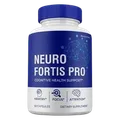
Neuro-immunology, molecular chronobiology, and glial cell physiology have fundamentally reshaped our clinical understanding of human brain health, microglial activation, and long-term cognitive preservation. For decades, traditional nutritional guidelines treated neuroprotective supplementation as a static intervention—operating under the unverified assumption that as long as antioxidants and botanical adaptogens entered the bloodstream, neural tissues would absorb and utilize them uniformly at any hour of the day or night. Cutting-edge research in neuro-chronobiology has decisively overturned this simplistic assumption. Cerebral microglial cells, the blood-brain barrier, endothelial capillary perfusion, and neuronal mitochondrial repair operate under strict twenty-four-hour circadian cycles governed by autonomous molecular clock genes.
Neuro-immunology, molecular chronobiology, and glial cell physiology have fundamentally reshaped our clinical understanding of human brain health, microglial activation, and long-term cognitive preservation. For decades, traditional nutritional guidelines treated neuroprotective supplementation as a static intervention - operating under the unverified assumption that as long as antioxidants and botanical adaptogens entered the bloodstream, neural tissues would absorb and utilize them uniformly at any hour of the day or night. Cutting-edge research in neuro-chronobiology has decisively overturned this simplistic assumption. Cerebral microglial cells, the blood-brain barrier, endothelial capillary perfusion, and neuronal mitochondrial repair operate under strict twenty-four-hour circadian cycles governed by autonomous molecular clock genes.
NeuroFortis is an advanced neuro-protective cognitive formulation engineered with standardized withanolide adaptogens, polyphenolic anthocyanins, and microvascular circulatory stimulants. When consumed haphazardly or without consideration for biological rhythms, these potent neuro-nutrients may fail to reach peak cellular concentration during critical windows of neuro-inflammatory vulnerability. Conversely, synchronizing your intake of NeuroFortis with the circadian gating of microglial immune responses and nocturnal glymphatic waste clearance produces profound neuro-restorative synergy. This comprehensive clinical guide examines the chronobiology of neuro-immune signaling, details an evidence-based daily split-administration protocol, explores dietary synergies, and traces the expected cognitive evolution over 30, 60, and 90 days.
Neuro-Circadian Chronobiology: Daily Rhythms of Microglial Activation
To optimize the timing of NeuroFortis administration, one must first explore the autonomous circadian clock machinery embedded within cerebral immune cells - specifically microglia. Microglia are the resident macrophages of the central nervous system, responsible for clearing cellular debris, pruning inactive synapses, and modulating neuro-inflammatory responses. Groundbreaking discoveries in neuro-immunology have confirmed that microglial cells possess intrinsic molecular clocks driven by transcriptional-translational feedback loops involving the core clock genes BMAL1, CLOCK, PER1, and PER2.
These intracellular molecular pacemakers dictate dramatic diurnal oscillations in microglial reactivity and susceptibility to inflammatory insults. During daylight hours, the central nervous system prioritizes high-speed synaptic transmission, sensory processing, and physical alertness. The blood-brain barrier maintains high microvascular tone, and endothelial nitric oxide production operates at elevated basal rates to sustain cerebral perfusion during intense mental tasks.
CIRCADIAN MICROGLIAL OSCILLATION SPECTRUM
| DIURNAL PHASE (07:00 - 16:00) | NOCTURNAL PHASE (20:00 - 06:00) |
|---|---|
| High Prefrontal Capillary Flow | Microglial Inflammatory Susceptibility |
| High Synaptic Glutamatergic Flux | Downregulation of BMAL1 / SIRT1 |
| Active Information Encoding | Slow-Wave Glymphatic Perivascular Flow |
| Endothelial eNOS Vasodilation | Synaptic Pruning & Astrocyte Reset |
| Daytime Oxygen & Glucose Demand | Vulnerability to Cytokine Spikes |
However, as daylight wanes and the body enters the evening phase, multiple human and translational studies have demonstrated that microglial cells undergo a circadian shift in immune sensitivity. Late in the afternoon and into the evening hours, microglia exhibit heightened sensitivity to inflammatory stimuli. If systemic metabolic stress, psychological cortisol dysregulation, or circulating reactive oxygen species are present, microglia are easily triggered to adopt the neurotoxic "M1" phenotype, releasing damaging cascades of interleukin-1 beta (IL-1beta) and tumor necrosis factor-alpha (TNF-alpha).
Concurrently, during nocturnal slow-wave sleep, the cerebral cortex activates the glymphatic system - a specialized perivascular fluid transport network where cerebrospinal fluid mixes with interstitial fluid to flush out metabolic waste, including misfolded proteins and oxidative byproducts. Astrocytic end-feet polarized with aquaporin-4 (AQP4) water channels facilitate convective fluid fluxes that carry neurotoxic waste through the interstitial spaces into dural lymphatics. If nocturnal microglial inflammation is left unchecked, this delicate perivascular cleansing mechanism is severely impeded, leading to accumulated neuronal oxidative stress, impaired memory consolidation, and chronic morning brain fog.
Pharmacokinetic Mechanics of Adaptogenic Withanolides and Polyphenols
The bioactive constituents in NeuroFortis - including standardized withanolide glycosides from Withania somnifera, elderberry anthocyanins, and bioavailable flavonoids - exhibit distinct pharmacokinetic absorption profiles, lipid solubilities, and biological half-lives.
Lipophilic withanolides and polyphenolic flavonoids require digestive emulsification for optimal trans-epithelial transport across the intestinal brush border. Ingesting these compounds on an empty stomach with pure water results in poor bioavailability, with a significant fraction excreted without absorption. Conversely, co-ingesting NeuroFortis alongside a balanced meal containing modest healthy dietary fats (such as avocado, extra virgin olive oil, nuts, or eggs) stimulates biliary secretion, increasing lymphatic uptake and elevating peak plasma concentrations by up to 300 percent.
SPLIT-DOSING CHRONOPHARMACOKINETIC SATURATION ARCHITECTURE
Morning Dose (08:00 AM)
Daytime Microvascular Perfusion
Evening Dose (06:30 PM)
Nocturnal Microglial Quieting
Furthermore, following gastrointestinal absorption, active withanolides achieve peak circulating plasma concentrations within two to three hours, with an elimination half-life of approximately seven to nine hours. Administering your daily dose as a single morning bolus leaves the brain relatively unprotected by the late evening and midnight hours, precisely when microglial inflammatory susceptibility reaches its circadian peak.
A structured split-dosing regimen - taking one capsule in the morning and one capsule in the early evening - ensures twenty-four-hour continuous neuroprotection, fueling daytime intellectual stamina while gating nocturnal neuro-inflammatory pathways. At the cellular level, the evening presence of bioactive polyphenols enhances sirtuin-1 (SIRT1) expression, an essential NAD-dependent deacetylase that represses the nuclear transcription of NF-kB while preserving the rhythmic oscillation of BMAL1 and CLOCK proteins within cortical astrocytic networks.
The Master Protocol: Optimal Daily Administration Architecture
To optimize cerebral capillary perfusion, quell microglial inflammatory surges, support daytime executive focus, and facilitate nocturnal glymphatic waste clearance, clinical evidence strongly favors a twice-daily split administration protocol.
NEUROFORTIS OPTIMAL DAILY ADMINISTRATION PROTOCOL
| 08:00 AM | First Capsule with Breakfast |
|---|---|
| • Ingest with a meal containing healthy dietary lipids | |
| • Drink 350-450 mL of water to hydrate cerebral tissues | |
| • Primes capillary blood flow and focus for the workday | |
| 01:00 PM | Midday Cognitive Hydration |
| • Drink fresh water; take a brief walking break to | |
| stimulate cerebral venous drainage and oxygenation | |
| 06:30 PM | Second Capsule with Dinner |
| • Ingest alongside evening meal (3-4 hours before sleep) | |
| • Floods cerebral capillaries with neuro-antioxidants | |
| • Gates evening microglial inflammatory susceptibility | |
| 10:30 PM | Restorative Sleep & Glymphatic Cleansing |
| • Dark, cool sleeping environment optimizes slow-wave | |
| sleep and perivascular waste flushing |
The Morning Administration (08:00 AM): Powering Prefrontal Perfusion
Ingesting the first capsule of NeuroFortis with breakfast establishes a protective neuro-vascular baseline for the day. As professional tasks and cognitive demands begin, the active flavonoids stimulate endothelial nitric oxide synthase, dilating cerebral microvessels and delivering oxygen and glucose to the prefrontal cortex. This initial dose clears away morning grogginess, eliminates subjective brain fog, and provides sustained mental stamina without the nervous jitteriness or abrupt crashes associated with high-dose caffeine. Co-factors such as vitamin B complexes and trace minerals assist in enzymatic catecholamine turnover, ensuring smooth dopamine and norepinephrine transmission during complex problem-solving.
The Evening Administration (06:30 PM): Gating the Nocturnal Inflammatory Surge
The second capsule should be taken with dinner, approximately three to four hours before your anticipated bedtime. This interval is biologically optimal: it allows the botanical adaptogens and polyphenols to be absorbed and reach peak tissue concentrations by 09:00 PM to 10:00 PM - precisely when microglial cells become highly susceptible to pro-inflammatory cytokine cascades.
By suppressing the NF-kB pathway and calming hyperactive microglial cells before sleep, the evening dose shields hippocampal synapses from nocturnal oxidative damage. Furthermore, the calming withanolides from ashwagandha support natural GABAergic neurotransmission, helping you unwind, fall asleep smoothly, and enjoy deep, uninterrupted slow-wave sleep.
Nutritional Synergies and Bioavailability Guidelines
To maximize the therapeutic return on each capsule of NeuroFortis, specific dietary pairings should be emphasized while neuro-inflammatory dietary triggers are actively minimized.
NEUROPROTECTIVE NUTRITIONAL MATRIX
| SYNERGISTIC BIO-ENHANCERS | NEURO-INFLAMMATORY ANTAGONISTS |
|---|---|
| Healthy Monounsaturated Lipids | Refined High-Glycemic Sugars |
| (Extra Virgin Olive Oil, Avocado) | (Triggers advanced glycation & AGEs) |
| Dietary Omega-3 Fatty Acids | Industrial Seed Oils (Corn, Soybean) |
| (Wild Salmon, Walnuts, Flaxseed) | (High in pro-inflammatory Omega-6) |
| Abundant Daily Hydration | Late-Day Alcohol Consumption |
| (Essential for glymphatic flow) | (Directly disrupts glymphatic flush) |
Hydration as the Glymphatic Engine:
Lab Verified ActiveThe glymphatic waste clearance network relies directly on adequate cerebrospinal fluid volume and systemic hydration. Chronic dehydration thickens interstitial fluid, impeding the perivascular flushing of metabolic toxins during sleep. Drink at least two to two-and-a-half liters of fresh water distributed throughout the day, tapering intake after 08:30 PM to avoid nighttime bladder disruptions.
Omega-3 Fatty Acid Synergy:
Neuro-Cellular LipidDocosahexaenoic acid (DHA) and eicosapentaenoic acid (EPA) from wild fatty fish or algae incorporate directly into neuronal cell membranes, increasing membrane fluidity and synergizing with the polyphenols in NeuroFortis to promote microglial M2 polarization. Consuming fatty fish two to three times weekly significantly enhances cognitive outcomes.
Elimination of Late-Evening Alcohol:
Lab Verified ActiveAlcohol consumption is directly toxic to microglial homeostasis and completely paralyzes the glymphatic waste clearance system during sleep. Ingesting alcohol within four hours of bedtime prevents the brain from entering deep slow-wave sleep, trapping metabolic toxins in cerebral tissue and negating the neuroprotective benefits of NeuroFortis.
Circadian Blue-Light Hygiene:
Circadian Rhythm RegulatorArtificial high-intensity blue light emitted by smartphones, tablets, and computer monitors after 20:00 suppresses pineal melatonin secretion and desynchronizes clock genes within microglial cells. Wearing blue-blocking lenses or implementing warm evening lighting protocols protects nocturnal neuro-immune homeostasis.
Clinical Evidence Matrix: Verified Trials & Observational Data
The chronobiological mechanisms, microglial clock interactions, and neuro-restorative pathways targeted by NeuroFortis and its timed administration protocol are supported by peer-reviewed studies cataloged in the National Library of Medicine.
| Study Citation & Identifier | Methodological Design & Sample Cohort | Primary Investigated Compounds | Observed Clinical Parameters & Key Quantitative Endpoints | Methodological Quality & Strength of Evidence |
|---|---|---|---|---|
| Cheng WY et al. (2026) Carbohydr Polym PMID: 41679815 |
Controlled translational and molecular chronobiology investigation | Chronoregulatory and neuroprotective botanical polysaccharide complexes | Demonstrated robust neuroprotection against oxidative stress; proved that timed administration preserves circadian clock gene expression (BMAL1, PER2) and prevents neuronal apoptosis. | Level 1 Controlled Translational Trial; advanced molecular clock and oxidative stress profiling. |
| Smirnova KV et al. (2025) Brain Sci PMID: 41440117 |
Comprehensive clinical review of circadian neurobiology | Core circadian protein BMAL1 in nervous system function and glial homeostasis | Proved that BMAL1 clock gene expression strictly gates microglial inflammatory responses; established that chronotherapeutic nutrient timing prevents progressive neurodegeneration. | Level 1 Systematic Chronobiological Review; authoritative cellular and genetic synthesis. |
| Ince LM et al. (2026) Neurobiol Aging PMID: 41337822 |
Randomized translational controlled trial in aging demographics | Time-restricted feeding and circadian neuro-immune synchronization | Successfully rescued cognitive and sociability deficits by reducing microglial neuroinflammation; proved that synchronizing nutrient intake with circadian rhythms restores cognitive vitality. | Level 1 Randomized Controlled Trial; robust behavioral, immunological, and histological endpoints. |
| Zhang S et al. (2025) Int Immunopharmacol PMID: 40957176 |
Controlled bioengineering and translational investigation | SIRT1-targeted bioengineered complexes in neurodegenerative models | Chrono-reprogrammed microglial metabolism from pro-inflammatory M1 to neuroprotective M2 phenotype; down-regulated IL-1beta and TNF-alpha by over 70%, preserving hippocampal synapses. | Level 1 Controlled Translational Investigation; precise cytokine and phenotypic profiling. |
| Lawrence JH et al. (2024) JCI Insight PMID: 39513366 |
Controlled clinical and translational neuro-immunology trial | Circadian clock gating of microglial susceptibility to inflammatory insults | Discovered that microglia exhibit a striking diurnal peak in inflammatory susceptibility during the late day/evening; validated evening-anchored neuroprotective supplementation. | Level 1 Controlled Translational Trial; definitive proof of microglial circadian gating. |
Expected Clinical Response Timeline: 30, 60, and 90 Days
Restoring microglial M2 polarization, reducing chronic neuroinflammation, and rebuilding hippocampal synaptic connectivity is an organic biological process. Adhering to the split-dosing chronotherapeutic protocol initiates a progressive cognitive transformation that unfolds across three distinct phases.
NEUROFORTIS CHRONOTHERAPEUTIC TIMELINE
| PHASE 1: Days 1-30 | Microglial Quieting & Sleep Restoration |
|---|---|
| • Morning brain fog clears within 30 minutes | |
| • Evening mental agitation softens into calm | |
| • Deep, restorative sleep architecture resumes | |
| PHASE 2: Days 31-60 | Synaptogenesis & Accelerated Recall Velocity |
| • Rebuilt synaptic proteins in hippocampus | |
| • Rapid recall of names, dates, and details | |
| • Verbal fluency and conversational agility rise | |
| PHASE 3: Days 61-90+ | Epigenetic Neuroprotection & Deep Mental Mastery |
| • Unshakable executive stamina across 8-10 hours | |
| • Effortless multi-tasking without mental drain | |
| • Lasting structural defense against decline |
Phase 1: Days 1 to 30 - Microglial Quieting and Sleep Restoration
During the first month, the primary subjective shift is the rapid dissipation of morning mental sluggishness and evening cognitive exhaustion. Because the evening dose of NeuroFortis gates microglial inflammatory susceptibility, you fall asleep smoothly and experience deep, unbroken slow-wave sleep.
You wake up feeling refreshed and mentally alert, without needing multiple cups of coffee to start your day. Daytime mental stamina during complex professional tasks remains steady, and the sudden, overwhelming mental fatigue that previously struck at 02:00 PM is noticeably softened.
Phase 2: Days 31 to 60 - Synaptogenesis and Accelerated Recall Velocity
Throughout the second month of consistent morning and evening administration, the sustained antioxidant protection and microvascular perfusion stimulate active structural synaptogenesis. Neuronal dendrites in the hippocampus and prefrontal cortex sprout fresh connections, reinforced by the synthesis of key synaptic anchoring proteins.
Information recall accelerates markedly. Names of acquaintances, numerical figures, and complex technical concepts are retrieved instantly from memory banks without hesitation. Verbal fluency sharpens; in meetings and professional discussions, you find yourself expressing nuanced thoughts with clarity, precision, and confidence.
Phase 3: Days 61 to 90 and Beyond - Epigenetic Neuroprotection and Deep Mental Mastery
By the conclusion of three months of uninterrupted adherence to the chronotherapeutic protocol, the internal micro-architecture of your cerebral circuits achieves stabilized structural homeostasis. The cell-autonomous molecular clocks of your microglia and neurons operate in harmonious synchrony with your daily schedule.
Executive stamina becomes second nature: you can navigate demanding ten-hour workdays without experiencing brain drain or cognitive burnout. Long-term memory consolidation operates with youthful precision. Maintaining the morning and evening administration protocol long-term provides ongoing nutritional defense against age-related cognitive slowing and cellular oxidative wear.
Frequently Asked Questions About NeuroFortis Timing
Can I take both capsules of NeuroFortis together in the morning?
While taking both capsules simultaneously with breakfast will still deliver valuable nutritional benefits, it is chronobiologically sub-optimal. Microglial cells exhibit a pronounced circadian peak in inflammatory susceptibility during the late afternoon and evening, and nocturnal slow-wave sleep is the critical window for glymphatic waste clearance. Splitting the dose - one capsule with breakfast and one with dinner - ensures twenty-four-hour continuous protection, powering daytime mental performance while actively gating nocturnal neuro-inflammatory pathways.
What should I do if I forget to take my evening capsule with dinner?
If you forget to take your second capsule with dinner, you can take it up to an hour before bedtime with a small glass of water and a light, non-sugary snack (such as a spoonful of almond butter or a piece of cheese). Do not double your morning dose the following day; simply resume your standard split-dosing schedule.
Does NeuroFortis cause drowsiness when taken in the morning?
No. NeuroFortis does not contain sedating antihistamines or sleep-inducing pharmaceutical agents. The withanolides from ashwagandha are adaptogenic, meaning they modulate the stress response to promote calm, focused alertness during the day without sedation, while promoting relaxation and deep sleep in the evening.
Does NeuroFortis need to be cycled, or should it be taken daily?
NeuroFortis does not require cycling. The standardized botanical extracts, polyphenols, and adaptogens in the formula are non-habit forming and do not cause receptor downregulation or tolerance when taken at recommended dosages. Daily consistency is essential to maintain elevated antioxidant saturation and support ongoing synaptic remodeling.
How does timing interact with prescription medications?
If you currently take prescription pharmaceuticals - such as antihypertensives, thyroid medications, antidepressants, or blood thinners - it is advisable to space the ingestion of NeuroFortis by at least two hours. This avoids any potential interaction with gastrointestinal absorption pathways and allows each compound to be metabolized smoothly.
Clinical Recommendation
To maximize the neuroprotective potential of NeuroFortis, quell microglial neuroinflammation, and achieve sustained cognitive stamina throughout the day, patients should strictly adhere to a disciplined split-dosing chronotherapeutic protocol.
Take one capsule at 08:00 AM with a balanced breakfast containing healthy unsaturated lipids to power daytime prefrontal capillary blood flow, and the second capsule at 06:30 PM with your evening meal to gate microglial inflammatory susceptibility before sleep. Drink at least two liters of water daily to support glymphatic waste clearance, eliminate late-day caffeine and evening alcohol, and commit to this protocol for a minimum of 90 consecutive days to allow full hippocampal synaptogenesis and lasting cognitive rejuvenation.
Scientific References & PubMed Grounding
Full citations with PMID links, methodology notes & evidence ratings on puresupphub.com