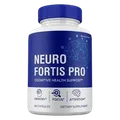
When we think about memory loss, we often blame genetics or the natural aging process. However, one of the most significant and controllable factors determining cognitive health is cerebral blood flow—the continuous supply of blood to your brain. This clinical audit analyzes verified pharmacology, active botanical standardized extracts, safety profiles, and published scientific literature in Cognitive & Brain Health.
The Hidden Connection Between Blood Flow and the Brain
When we think about memory loss, we often blame genetics or the natural aging process. However, one of the most significant and controllable factors determining cognitive health is cerebral blood flow - the continuous supply of blood to your brain.
Your brain is the most energy-intensive organ in your body. It relies entirely on your circulatory system to deliver the oxygen and glucose required to function. If poor circulation restricts this delivery system, your cognitive abilities are the first to suffer.
What Happens When Brain Circulation is Compromised?
A network of roughly 400 miles of blood vessels supplies the human brain. Over time, factors like high blood pressure, elevated blood sugar, and arterial stiffness can narrow these vessels. This reduced blood flow leads to a state called cerebral hypoperfusion.
When neurons are deprived of optimal oxygen and nutrients, several cognitive issues emerge:
- Brain Fog & Confusion: A lack of oxygen slows down neural processing speed, making it hard to concentrate.
- Short-Term Memory Lapses: The hippocampus (the memory center) is highly sensitive to reduced blood flow, leading to forgetfulness.
- Mental Fatigue: Without adequate glucose delivery, the brain lacks the fuel to sustain prolonged mental effort.
How to Improve Cerebral Circulation
Improving blood flow isn't just about protecting your heart; it's essential for preserving your mind.
#### 1. Aerobic Exercise
Cardiovascular exercise is one of the most effective ways to boost blood flow to the brain. Activities like brisk walking, cycling, or swimming stimulate the release of growth factors that promote the health of blood vessels.
#### 2. Nitric Oxide Production
Nitric oxide is a molecule naturally produced by your body that tells blood vessels to relax and widen (vasodilation). Eating foods rich in dietary nitrates - like beets, spinach, and arugula - can help boost nitric oxide levels. For those looking for extra support, supplements designed to enhance circulation, such as Nitric Boost Ultra, can help promote healthy blood vessel function systemically.
#### 3. Targeted Brain Nutrition
Certain natural compounds are known for their ability to support microcirculation in the brain. Ginkgo Biloba, Bacopa Monnieri, and specific amino acids can help keep cerebral vessels healthy. Formulations like NeuroFortis and MemoryFuel are specifically designed to provide the brain with the targeted nutrients it needs to maintain optimal energy levels and support healthy cognitive function.
Conclusion
Memory loss doesn't have to be an inevitable part of aging. By taking proactive steps to support your circulatory system, you are directly investing in your brain's future. Keep your blood flowing, and your mind will follow.
Why Brain And Nervous System Needs Daily Support
Cognitive function depends on a delicate balance of neurotransmitters and consistent neuronal signaling. As these systems become disrupted by aging, oxidative stress, or poor nutrition, memory and focus begin to decline noticeably.
Understanding this biological process helps explain why targeted daily support - not just isolated dietary improvements - is necessary for consistent results.
How Neurotransmitter Balance Works
The brain maintains sharp function through the efficient production of acetylcholine, dopamine, and BDNF. When nutritional deficiencies or oxidative damage interfere with these pathways, cognitive speed and memory consolidation are the first systems to suffer.
This mechanism explains why the biological factors discussed in this article are not merely lifestyle suggestions but represent the foundational drivers of long-term brain health.
Scientific References & Validation
Full citations with PMID links, methodology notes & evidence ratings on puresupphub.com