Have you ever finished a large meal only to find yourself searching the pantry for a snack just an hour later? This constant, nagging hunger is rarely a failure of willpower. Instead, it is a signal that your body's satiety hormones are out of balance.
Have you ever finished a large meal only to find yourself searching the pantry for a snack just an hour later? This constant, nagging hunger is rarely a failure of willpower. Instead, it is a signal that your body's satiety hormones are out of balance.
The master regulator of your appetite is a hormone called Glucagon-like peptide-1 (GLP-1). Produced in your gut in response to food, GLP-1 travels to your brain to signal that you are full, while simultaneously slowing down gastric emptying - the rate at which your stomach releases food into your small intestine.
When gastric emptying happens too quickly, your stomach empties rapidly, your blood sugar spikes, and your brain fails to receive the satiety signals. By applying a few simple tweaks to slow down digestion, you can naturally trigger GLP-1 release and stay full for hours.
Key Takeaways
- The GLP-1 Signal: This hormone acts directly on the brain's appetite centers to turn off hunger and prevent overeating.
- Gastric Emptying: Keeping food in your stomach longer extends the feeling of fullness and stabilizes blood glucose.
- Preload Tactic: Eating specific macronutrients first triggers satiety chemicals before you consume the main meal.
How to Optimize Your Satiety Pathway
1. Preload Meals with Viscous Soluble Fiber
Not all fibers are created equal when it comes to hunger control. Viscous soluble fiber (found in foods like Brussels sprouts, chia seeds, flaxseeds, and psyllium husk) absorbs water to form a thick, gelatinous gel in your digestive tract.
This gel acts as a physical speed bump, significantly slowing gastric emptying. As this fiber reaches the lower portion of your small intestine, it triggers L-cells to release a wave of GLP-1, signaling deep satiety to your brain.
2. Eat Healthy Fats 15 Minutes Before Carbs
Consuming a small amount of healthy fat - such as a handful of almonds or a tablespoon of olive oil - shortly before your main meal triggers the release of cholecystokinin (CCK) and peptide YY (PYY). These hormones work in tandem with GLP-1 to slow stomach contractions, ensuring that when the rest of your meal arrives, it is digested at a slow, controlled pace.
3. Avoid Large Amounts of Liquid During Meals
While staying hydrated is critical, drinking large glasses of water or beverages during your meals dilutes your stomach acid and digestive enzymes. More importantly, it liquifies your food, allowing it to bypass the stomach's natural exit controls and empty into the small intestine much faster. Drink your water 30 minutes before your meal instead, and only take small sips during eating.
Optimizing the Satiety Pathway at a Cellular Level
While preloading fiber and avoiding liquids during meals are excellent ways to regulate digestion, metabolic resistance or chronic inflammation can sometimes impair your body's natural GLP-1 production.
To provide targeted, professional-grade metabolic support:
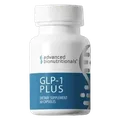
Taking GLP-1 Plus daily supplies your body with a targeted matrix of botanical activators and nutrients designed to support endogenous GLP-1 hormone pathways. By targeting these specific gut-brain communication axes, it helps regulate appetite signaling, maintain balanced glucose levels, and support sustainable weight management. This non-stimulant formula offers a powerful foundation for managing cravings and promoting metabolic harmony.
By slowing down gastric emptying, focusing on viscous fibers, and supporting your body's satiety pathways, you can regain control of your appetite naturally.
Why Metabolic And Endocrine System Needs Daily Support
Weight gain and retention are rarely caused by willpower alone. Hormonal imbalances - particularly leptin resistance and cortisol elevation - create a metabolic environment that actively resists fat loss despite caloric restriction.
Understanding this biological process helps explain why targeted daily support - not just isolated dietary improvements - is necessary for consistent results.
How Thermogenesis Works
The body regulates fat storage through leptin, ghrelin, and insulin signaling. When these hormones are dysregulated, the hypothalamus receives incorrect satiety signals, driving overeating and preferential fat storage over lean muscle maintenance.
This mechanism explains why the biological factors discussed in this article are not merely lifestyle suggestions but represent the foundational drivers of long-term metabolic health.
Scientific References & Validation
Full citations with PMID links, methodology notes & evidence ratings on puresupphub.com