Long before pharmaceutical companies developed injectable GLP-1 receptor agonists, your gut was already producing this remarkable hormone naturally. Glucagon-Like Peptide-1 (GLP-1) is an incretin hormone secreted by L-cells lining the small intestine and colon within minutes of nutrient ingestion. Its discovery fundamentally changed our understanding of appetite regulation and glucose homeostasis.
The Gut Hormone That Decides When You're Full
Long before pharmaceutical companies developed injectable GLP-1 receptor agonists, your gut was already producing this remarkable hormone naturally. Glucagon-Like Peptide-1 (GLP-1) is an incretin hormone secreted by L-cells lining the small intestine and colon within minutes of nutrient ingestion. Its discovery fundamentally changed our understanding of appetite regulation and glucose homeostasis.
The problem for millions of adults over 40 is this: chronic dietary patterns, gut dysbiosis, and systemic inflammation progressively blunt GLP-1 secretion and receptor sensitivity. When the incretin system fails, you lose two of the most powerful metabolic brakes the body possesses.
What Is the Incretin System?
The term "incretin" describes a class of hormones that amplify insulin secretion in a glucose-dependent manner - meaning they only stimulate insulin release when blood sugar is actually elevated, making hypoglycemia virtually impossible under physiological conditions.
Two primary incretins are recognized:
| Hormone | Source | Primary Action |
|---|---|---|
| GLP-1 (Glucagon-Like Peptide-1) | Intestinal L-cells | Stimulates insulin, suppresses glucagon, slows gastric emptying, signals satiety |
| GIP (Glucose-Dependent Insulinotropic Polypeptide) | Intestinal K-cells | Stimulates insulin, promotes fat storage (context-dependent) |
GLP-1 is by far the more clinically significant of the two due to its dual metabolic and neurological actions - it acts on both the pancreas and the hypothalamus simultaneously.
The Molecular Cascade: How GLP-1 Works
Step 1: Nutrient-Induced L-Cell Stimulation
L-cells are concentrated in the ileum and colon. They possess apical membrane receptors that detect luminal nutrients - particularly long-chain fatty acids, fermentable fiber metabolites (short-chain fatty acids), and specific amino acids. Within 5-15 minutes of food ingestion, these cells secrete GLP-1 into the portal circulation.
Step 2: Pancreatic Action - The Glucose-Dependent Insulin Amplifier
GLP-1 binds to its receptor (GLP-1R) on pancreatic beta cells. This activates adenylyl cyclase, raising intracellular cyclic AMP (cAMP) levels. Elevated cAMP then activates Protein Kinase A (PKA) and Exchange Protein Activated by cAMP (EPAC2), which together:
- Potentiate glucose-stimulated insulin secretion (GSIS) by 2-3 fold
- Inhibit glucagon secretion from alpha cells, preventing the liver from dumping stored glucose during a meal
- Promote beta-cell proliferation and survival, protecting the insulin-producing cells from apoptosis
Step 3: Hypothalamic Satiety Signaling
GLP-1 crosses the blood-brain barrier (or activates vagal afferents at the portal vein) to reach the arcuate nucleus of the hypothalamus. Here it activates POMC/CART neurons (the "stop eating" neurons) while suppressing NPY/AgRP neurons (the "keep eating" neurons).
The result: a powerful, multi-pathway signal to reduce meal size and extend satiety duration.
Step 4: Gastric Emptying Inhibition
GLP-1 slows the rate at which the stomach empties its contents into the duodenum. This is clinically significant because it:
- Flattens the postprandial glucose curve by slowing carbohydrate absorption
- Extends the physical sensation of fullness
- Reduces the glycemic index of any meal consumed
Why GLP-1 Secretion Declines With Age and Diet
1. L-Cell Dysfunction from Gut Dysbiosis
The L-cells that secrete GLP-1 depend critically on butyrate and other short-chain fatty acids produced by healthy gut bacteria. A fiber-deficient diet that starves the microbiome of fermentable substrate leads to reduced SCFA production, which in turn reduces basal GLP-1 tone.
This explains the gut-metabolic connection: poor gut health doesn't just cause bloating - it actively dismantles your appetite regulation system.
2. GLP-1 Receptor Downregulation
Chronically elevated blood sugar promotes glycation of GLP-1 receptors on beta cells and neurons. Glycated receptors have impaired signal transduction, meaning even normal levels of GLP-1 produce a blunted insulin response. This is a key driver of type 2 diabetes progression.
3. Rapid GLP-1 Degradation by DPP-4
GLP-1 has a plasma half-life of only 1-2 minutes because it is rapidly cleaved by the enzyme Dipeptidyl Peptidase-4 (DPP-4). In states of chronic inflammation, DPP-4 activity is elevated, further shortening GLP-1 action and reducing its metabolic benefits.
The Metabolic Consequences of GLP-1 Deficiency
A chronically hypoactive incretin system produces a predictable cascade of metabolic deterioration:
- Impaired first-phase insulin response → glucose spikes higher and stays elevated longer after meals
- Paradoxical glucagon persistence → the liver releases glucose even during a meal, worsening postprandial hyperglycemia
- Accelerated gastric emptying → carbohydrates flood the bloodstream too rapidly
- Reduced satiety signaling → meal sizes increase and eating frequency rises
- Beta-cell exhaustion → over time, the pancreatic beta cells, forced to work harder to compensate, undergo functional decline and apoptosis
Strategies to Naturally Upregulate GLP-1 Activity
Dietary Interventions
- Soluble fiber intake: Beta-glucan, pectin, and inulin are fermented by colonic bacteria into SCFAs that directly stimulate L-cell GLP-1 secretion
- Protein at the start of meals: Specific amino acids (arginine, glutamine) are potent L-cell stimulators
- Polyphenol-rich foods: Resveratrol, quercetin, and berberine have been shown to enhance GLP-1 release
Botanical Compounds with Clinical Evidence
Certain plant extracts directly modulate the incretin pathway:
Berberine
AMPK Enzyme ActivatorActivates AMPK and simultaneously upregulates GLP-1 secretion from intestinal L-cells; shown to reduce DPP-4 activity
Eleuthero (Siberian Ginseng)
Adaptogenic RootSupports adrenal resilience and reduces the cortisol-induced suppression of GLP-1 activity
Maca Root
Vitality AdaptogenDemonstrated support for the hypothalamic circuits involved in appetite regulation, complementing GLP-1's central satiety actions
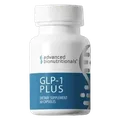
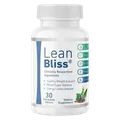
Advanced formulations like GLP-1 Plus are designed to provide the botanical co-factors that support the body's incretin system, while Sugar Defender and LeanBliss supply the upstream metabolic nutrients - berberine and chromium - that amplify insulin receptor sensitivity downstream of GLP-1 signaling.
Clinical Relevance: Why Pharmaceutical GLP-1 Agonists Work
The success of pharmaceutical GLP-1 receptor agonists (semaglutide, liraglutide) for weight loss is not coincidental - it is a direct pharmacological validation of what the endogenous incretin system was designed to do. The drugs simply deliver a sustained, DPP-4-resistant version of the hormone the gut should be producing continuously.
Supporting your natural GLP-1 pathway through dietary and botanical strategies addresses the upstream causes of incretin failure rather than bypassing them.
Conclusion
The GLP-1 incretin system is one of the most powerful and elegant metabolic control mechanisms in human physiology. It simultaneously manages blood sugar, protects beta cells, regulates appetite at the brain level, and modulates gastric emptying - all within the same hormonal cascade. When this system is intact, healthy weight and blood sugar are physiological defaults. When it fails, metabolic disease becomes almost inevitable.
Restoring incretin function through microbiome support, polyphenol-rich nutrition, and targeted botanical supplementation is one of the highest-leverage interventions available for metabolic health. See also: how-insulin-resistance-sabotages-your-energy-levels and the-connection-between-gut-bacteria-and-metabolic-health.
Scientific References & Validation
Full citations with PMID links, methodology notes & evidence ratings on puresupphub.com