Chronic prostatitis and Chronic Pelvic Pain Syndrome (CP/CPPS) account for millions of medical visits worldwide. Unlike acute bacterial infections, over 90% of chronic prostatitis cases are non-bacterial, showing no active infection in the prostate gland, though prostate inflammation disrupts the sleep cycle(how-prostate-inflammation-disrupts-your-sleep-cycle) and local muscle tension.
Chronic prostatitis and Chronic Pelvic Pain Syndrome (CP/CPPS) account for millions of medical visits worldwide. Unlike acute bacterial infections, over 90% of chronic prostatitis cases are non-bacterial, showing no active infection in the prostate gland, though prostate inflammation disrupts the sleep cycle and local muscle tension.
For decades, the cause of this pelvic discomfort remained a medical mystery. However, recent clinical breakthroughs have identified the gut-prostate axis as a primary driver, revealing how intestinal dysbiosis and a compromised gut barrier promote chronic inflammation in the prostate.
The Gut-Prostate Highway: Intestinal Permeability
The human digestive tract contains trillions of microbes that regulate systemic immune function. When this ecosystem is disrupted by diet, stress, or antibiotics - a state known as dysbiosis - opportunistic pathogens multiply, and the tight junctions of the intestinal lining begin to break down.
This "leaky gut" allows bacterial endotoxins, such as Lipopolysaccharides (LPS), and inflammatory cytokines (like TNF-alpha and IL-6) to translocate across the intestinal barrier into the local bloodstream and lymphatic system.
Because the prostate and bladder share lymphatic drainage networks with the lower intestine, these inflammatory signals migrate directly to the pelvic floor:
- Pelvic Immune Activation: The immune system detects the translocated endotoxins in pelvic tissues, activating localized mast cells and releasing histamine and inflammatory mediators.
- Chronic Prostatic Inflammation: The prostate tissue becomes inflamed, congested, and sensitive, mimicking the symptoms of a bacterial infection without any local pathogens present.
- Smooth Muscle Tension: Localized inflammation irritates the pelvic nerves, causing chronic contraction of the smooth muscles in the bladder neck and prostate stroma, leading to urinary hesitancy and pain.
Resolving the Pelvic Trigger at the Core
To permanently resolve non-bacterial prostatitis and BPH swelling, you must target the systemic inflammatory source by repairing the gut barrier:
Microbiome Reconstruction (Probiotics): Reintroducing high-potency, clinically studied probiotic strains (such as Lactobacillus gasseri and Bifidobacterium*) helps crowd out inflammatory pathogens in the gut, restoring the production of short-chain fatty acids (SCFAs) that heal the intestinal lining.* Enzymatic Sludge Clearing: Natural digestive enzymes help fully break down proteins, preventing undigested food particles from irritating the gut wall and triggering systemic immune reactions.
* Targeted Prostatic Botanicals: While repairing the gut, botanical extracts like Saw Palmetto and Pygeum can be used to locally block inflammatory pathways in the prostate and relax pelvic smooth muscles.
The Integrated Protocol
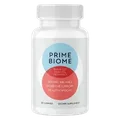
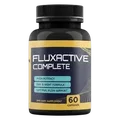
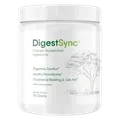
The gut-prostate axis shows that pelvic health cannot be treated in isolation. True wellness requires a dual-action approach: restoring gut barrier integrity with synbiotics like PrimeBiome and enzymes like DigestSync to stop systemic inflammation, while protecting the prostate locally with Fluxactive Complete.
By repairing the intestinal lining and restoring microbiome balance, men can halt the translocation of inflammatory triggers, providing long-term relief from chronic pelvic discomfort and supporting healthy urinary function.
Scientific References & Validation
Full citations with PMID links, methodology notes & evidence ratings on puresupphub.com