If you have tried eating less and moving more without lasting results, the problem may not be willpower. It may be a hormonal signaling deficiency that operates entirely beneath conscious awareness. Glucagon-like peptide-1, better known as GLP-1, is the body's own appetite-regulating hormone—a powerful biochemical signal that tells your brain when to stop eating, slows gastric emptying, and instructs your cells to burn glucose more efficiently.
If you have tried eating less and moving more without lasting results, the problem may not be willpower. It may be a hormonal signaling deficiency that operates entirely beneath conscious awareness. Glucagon-like peptide-1, better known as GLP-1, is the body's own appetite-regulating hormone - a powerful biochemical signal that tells your brain when to stop eating, slows gastric emptying, and instructs your cells to burn glucose more efficiently.
Understanding how GLP-1 works, and how to naturally support its production, is one of the most important breakthroughs in metabolic science of the past two decades.
What is GLP-1 and Why Does It Decline With Age?
GLP-1 is an incretin hormone secreted by specialized L-cells in the small intestine in response to food intake. Within minutes of eating, GLP-1 enters the bloodstream and activates receptors in three critical locations:
- The Hypothalamus: GLP-1 signals the brain's satiety center, generating a genuine feeling of fullness after smaller portions. This is not appetite suppression by sedation - it is the natural biological off-switch for hunger.
- The Pancreas: GLP-1 stimulates glucose-dependent insulin release, helping your cells absorb and utilize blood sugar efficiently. This prevents the sharp post-meal glucose spikes that store excess energy as fat.
- The Stomach: GLP-1 slows gastric emptying, the rate at which food leaves your stomach. This prolongs satiety and reduces the speed at which glucose enters circulation.
The problem is that GLP-1 secretion is significantly impaired in individuals with excess adiposity, insulin resistance, and metabolic dysfunction. Chronic consumption of ultra-processed foods, sedentary behavior, and gut microbiome disruption all suppress the L-cells responsible for producing it. As a result, the hunger signal never fully activates, the satiety signal arrives late, and overeating becomes a biological inevitability, not a character flaw.
The Gut Microbiome: The Hidden Factory Behind GLP-1 Production
One of the most important yet overlooked drivers of GLP-1 secretion is the composition of the gut microbiome. Research published in the journal Cell Metabolism has demonstrated that short-chain fatty acids (SCFAs) - particularly butyrate and propionate - produced by the fermentation of dietary fiber by beneficial bacteria act as direct stimulants for L-cell GLP-1 release.
This creates a critical feedback loop:
- A fiber-rich diet feeds beneficial bacteria such as Lactobacillus and Bifidobacterium.
- These bacteria produce SCFAs via fermentation.
- SCFAs bind to free fatty acid receptors (FFAR2/FFAR3) on L-cells.
- L-cells respond by increasing GLP-1 output.
- Elevated GLP-1 reduces appetite and improves glucose handling.
Conversely, a diet high in refined sugars, artificial additives, and low-fiber processed foods starves the beneficial bacteria, shifts the microbiome composition, depletes SCFA production, and collapses the GLP-1 feedback loop - perpetuating a cycle of metabolic dysfunction and uncontrolled hunger.
Natural Habits That Amplify GLP-1 Signaling Daily
Before considering supplementation, specific dietary and lifestyle interventions can meaningfully elevate endogenous GLP-1 production:
Foods That Stimulate GLP-1 Secretion
- Resistant starches (cooled cooked oats, green bananas, legumes): Resistant to digestion in the small intestine, they pass to the colon where bacteria ferment them into butyrate, triggering GLP-1 release.
- Fermented foods (yogurt, kefir, kimchi, sauerkraut): Deliver live Lactobacillus cultures that restore L-cell activation capacity.
- Protein-rich meals (eggs, fatty fish, Greek yogurt): Dietary protein is a potent stimulator of GLP-1 secretion in its own right, independent of fiber. A high-protein breakfast has been shown to significantly reduce total daily caloric intake.
- Extra virgin olive oil: Contains oleic acid, which slows gastric emptying and enhances GLP-1 responses in a dose-dependent manner.
Lifestyle Practices That Restore GLP-1 Sensitivity
- Post-meal walking (10-15 minutes): Light aerobic activity after eating enhances peripheral glucose uptake via insulin-independent pathways and augments GLP-1's glucose-lowering effect.
- Intermittent fasting protocols: Research shows that fasting periods increase GLP-1 receptor sensitivity, making the hormone more effective even at lower concentrations.
- Adequate sleep (7-9 hours): Sleep deprivation directly impairs incretin secretion. A single night of disrupted sleep significantly reduces GLP-1 response to a standard meal.
What is GLP-1 Plus and What is It For?
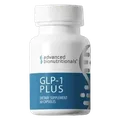
For individuals whose metabolic environment has been chronically disrupted, dietary and lifestyle changes alone may not be sufficient to restore full GLP-1 sensitivity quickly. GLP-1 Plus is a precision-formulated botanical and nutraceutical blend designed to support the body's own incretin system through multiple synergistic pathways.
The formula targets the GLP-1 signaling cascade at three distinct biological levels:
- Gut Microbiome Restoration: Prebiotic fibers and Lactobacillus strains support the L-cell environment in the small intestine, replenishing the bacterial population responsible for SCFA-driven GLP-1 secretion.
- Incretin Amplification: Plant-based compounds such as berberine (from Berberis aristata) and bitter melon extract have been shown in peer-reviewed research to activate AMPK pathways and enhance glucose-dependent insulin release, mimicking aspects of GLP-1 receptor activation.
- DPP-4 Inhibition: GLP-1 has a biological half-life of only 1-2 minutes because it is rapidly degraded by the enzyme dipeptidyl peptidase-4 (DPP-4). Certain botanical polyphenols in the GLP-1 Plus formula act as natural DPP-4 inhibitors, extending the active lifetime of endogenously produced GLP-1 in the bloodstream.
This multi-layered approach means GLP-1 Plus is not a stimulant or appetite suppressant in the traditional sense. It works with your body's own hormonal architecture to restore the biological signals that naturally control hunger, improve satiety, and support healthy fat metabolism.
How to Take GLP-1 Plus Correctly: The Official Protocol
Recommended Daily Dosage and Frequency
The standard protocol is two capsules per day, taken consistently. Because the formula works by gradually restoring the gut microbiome and incrementally sensitizing GLP-1 receptors, supplementation duration is a key determinant of efficacy. Clinical benefit typically becomes measurable after 4-6 weeks of consistent use.
Should You Take GLP-1 Plus Before or After Meals?
The formula is most effective when taken 30 minutes before the two largest meals of the day (typically breakfast and dinner). Taking it pre-meal allows the prebiotic components to prime the gut environment before food arrives, and allows the botanical compounds to influence gastric motility and blood glucose responses during digestion. This timing maximizes the physiological overlap between the formula's active components and the natural GLP-1 secretion window.
Can GLP-1 Plus Be Combined With Intermittent Fasting?
Yes. The formula is compatible with intermittent fasting protocols. During the eating window, it should be taken before the first and last substantial meals. Its prebiotic components continue to support microbiome diversity during fasting periods without breaking a fast.
Expected Results: Before and After the 60-Day Protocol
GLP-1 Plus is designed for sustained metabolic recalibration, not rapid but temporary results:
- Weeks 1-3 (Microbiome Priming): Prebiotic components begin reshaping the gut bacterial composition. Some users report early reductions in post-meal bloating and cravings for sweet foods.
- Weeks 4-6 (Hormonal Recalibration): As L-cell responsiveness improves, satiety signals become more pronounced after smaller portions. Appetite naturally decreases without hunger or restriction.
- Weeks 8-12 (Metabolic Optimization): Full integration of the GLP-1 signaling pathway supports more efficient glucose handling, reduces fat storage signals, and sustains the dietary changes made in earlier weeks.
Who Should Consult a Physician Before Use?
- Individuals currently prescribed GLP-1 receptor agonist medications (e.g., semaglutide, liraglutide) should consult their physician before use, as both target overlapping biological pathways.
- Pregnant or breastfeeding women should not use this formula.
- Individuals with known gastrointestinal conditions (IBD, SIBO) should consult a healthcare professional before starting.
Scientific References & Validation
Full citations with PMID links, methodology notes & evidence ratings on puresupphub.com