There is a molecule in your skin right now performing one of the most extraordinary feats in biology: holding up to 1,000 times its own weight in water. This molecule maintains the turgor (pressure) that keeps skin plump and firm. It cushions joints, lubricates the eyes, and fills the extracellular space throughout your connective tissue.
The Molecule That Holds 1,000 Times Its Weight in Water
There is a molecule in your skin right now performing one of the most extraordinary feats in biology: holding up to 1,000 times its own weight in water. This molecule maintains the turgor (pressure) that keeps skin plump and firm. It cushions joints, lubricates the eyes, and fills the extracellular space throughout your connective tissue.
That molecule is Hyaluronic Acid (HA) - and its decline is one of the primary biological events responsible for the appearance of aging skin.
What Is Hyaluronic Acid?
Hyaluronic Acid is a glycosaminoglycan - a long-chain polysaccharide (sugar polymer) made of repeating disaccharide units of glucuronic acid and N-acetylglucosamine. Its molecular backbone is strongly hydrophilic (water-attracting) due to multiple hydroxyl (-OH) groups along the chain.
In young, healthy skin, HA exists in two forms:
- High-molecular-weight HA (HMW-HA): Long chains forming a gel-like network in the extracellular matrix. Primarily responsible for hydration and barrier function.
- Low-molecular-weight HA (LMW-HA): Shorter fragments that have signaling functions, promoting wound healing and angiogenesis.
The Biological Role of HA in Skin
#### Hydration Architecture
HA molecules in the dermis bind water molecules to create a gel matrix within the extracellular space. This gel is not static - it is a dynamic, responsive reservoir that releases water to surrounding cells during dehydration stress and reabsorbs it when conditions normalize.
This gel matrix is what creates the "bounce" of young skin. Press a finger into young, well-hydrated skin: it springs back immediately. That resilience is HA-dependent.
#### Collagen Support and Protection
HA does not work alone - it is deeply integrated with collagen architecture. The HA gel fills the spaces between collagen fibers in the dermis, keeping them separated, hydrated, and protected from enzymatic degradation. Collagen fibers in an HA-depleted dermis are more exposed to matrix metalloproteinases (MMPs) and more susceptible to compression damage.
#### Wound Healing Signaling
When skin is damaged, HA is one of the first molecules released at the site. LMW-HA fragments act as "danger signals" that attract immune cells and stimulate fibroblasts to proliferate and increase collagen synthesis. This makes HA a critical orchestrator of the skin's repair response.
The Timeline of HA Decline
The decline of cutaneous Hyaluronic Acid follows a predictable trajectory:
| Age Range | Estimated Skin HA Level | Clinical Signs |
|---|---|---|
| 20s | ~100% (baseline) | Plump, dewy, elastic |
| 30s | ~75-80% | Fine lines in expression areas |
| 40s | ~50-60% | Visible wrinkles, reduced spring |
| 50s | ~30-40% | Hollowing, deeper folds, rough texture |
| 60s+ | ~10-25% | Significant sagging, thin papery skin |
By age 50, most adults have lost over half of the Hyaluronic Acid in their skin. This is not peripheral to visible aging - it is one of its primary structural causes.
What Accelerates HA Loss?
Several factors dramatically speed up HA degradation:
- UV Radiation: Solar UV stimulates the activity of hyaluronidases - the enzymes that break down HA - and also generates free radicals that directly cleave HA chains.
- Pollution Exposure: Urban pollutants including ozone and particulate matter trigger hyaluronidase activity and oxidative HA degradation.
- Smoking: Enzymatic and oxidative degradation of HA is significantly amplified in smokers.
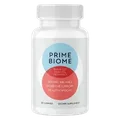
- Gut Microbiome Imbalance: Emerging research shows that gut bacteria influence HA synthesis pathways systemically. Supporting the gut microbiome with PrimeBiome creates a nutritional foundation for healthier HA production throughout the body.
Why Topical HA Has Limitations
Topical Hyaluronic Acid serums have become ubiquitous in skincare. They do provide a surface-level hydration benefit - but only in the most superficial layers of the skin (the stratum corneum). High-molecular-weight HA molecules cannot penetrate deeper into the dermis where the real structural dehydration occurs.
The truly effective solution is internal supplementation with low-molecular-weight Hyaluronic Acid that is absorbed into the bloodstream and deposited in dermal tissue. Clinical studies have shown that oral LMW-HA supplementation measurably increases skin HA content, reduces transepidermal water loss, and improves skin elasticity at a structural level - effects that topical products simply cannot achieve.
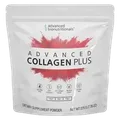
Advanced Collagen Plus is formulated with Hyaluronic Acid alongside hydrolyzed collagen peptides and Vitamin C, creating a comprehensive structural skin renewal complex. The combined action of collagen peptides (rebuilding the fiber network), Vitamin C (enabling hydroxylation in collagen synthesis), and HA (restoring the water matrix between fibers) works across every dimension of dermal hydration and structural integrity.Conclusion
Hyaluronic Acid is not a skincare trend - it is a fundamental structural component of youthful, healthy skin. Its inevitable decline is one of the most quantifiable events in skin aging, and unlike many biological processes, it is directly addressable through targeted oral supplementation with high-bioavailability HA. Understanding this molecule at the cellular level transforms your approach to skin health from cosmetic to biological - from masking aging to genuinely reversing its structural mechanisms.
Scientific References & Validation
Full citations with PMID links, methodology notes & evidence ratings on puresupphub.com