When you stub your toe, the pain signal travels from your foot to your brain at speeds exceeding 250 miles per hour. This lightning-fast communication is entirely dependent on a specialized, fatty substance that coats your nerve fibers: the myelin sheath.
The Insulation of the Human Body
When you stub your toe, the pain signal travels from your foot to your brain at speeds exceeding 250 miles per hour. This lightning-fast communication is entirely dependent on a specialized, fatty substance that coats your nerve fibers: the myelin sheath.
When you begin to experience persistent tingling, "pins and needles," or creeping numbness in your feet and toes, it is a direct biological signal that this critical protective insulation is breaking down.
What is the Myelin Sheath?
Imagine a copper electrical wire. To prevent the electricity from short-circuiting or leaking out, the wire is wrapped in rubber insulation. The myelin sheath serves the exact same purpose for your nervous system.
It wraps around the axon (the core of the nerve fiber), acting as biological insulation. The myelin sheath allows the electrical impulses to "jump" quickly and efficiently along the nerve without degrading.
The Breakdown (Demyelination)
The myelin sheath is delicate. It can be damaged by a variety of factors, including:
- Metabolic Stress: Chronically high blood sugar levels (glycation).
- Nutritional Deficiencies: A severe lack of B-vitamins (particularly B12), which are essential for myelin synthesis.
- Toxins: Exposure to heavy metals or certain chemotherapy drugs.
- Autoimmune Responses: Where the body mistakenly attacks its own myelin.
When the myelin sheath degrades - a process known as demyelination - the nerve's "copper wire" is exposed.
Without the protective insulation, the electrical signals become chaotic. They slow down, leak, or cross-wire with adjacent nerves. Your brain interprets these corrupted signals as tingling, burning, or electric shocks.
As the damage progresses and the axon itself begins to degrade, the signals fail to reach the brain entirely. This is when the tingling transitions into numbness - a dangerous state where you lose sensation, balance, and proprioception in your extremities.
Rebuilding the Protective Layer
Nerve damage was once considered completely irreversible. However, neuroscience has shown that the peripheral nervous system possesses a remarkable capacity for regeneration, provided the underlying stressor is removed and the body is supplied with the correct building blocks.
#### The Building Blocks of Myelin
To repair the myelin sheath, the body requires highly specific lipids (fats) and neuro-vitamins. Benfotiamine (a fat-soluble form of Vitamin B1) and Methylcobalamin (the active form of B12) are biologically critical for synthesizing new myelin.
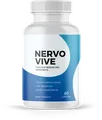
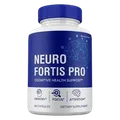
For individuals suffering from the early stages of numbness and tingling, targeted nutritional intervention is key. Formulations like NervoVive and NeuroFortis are built precisely for this purpose. By delivering concentrated, highly bioavailable neuro-nutrients directly to the peripheral nerves, these supplements support the body's natural ability to repair the damaged myelin sheath, helping to restore normal signal transmission and alleviate the painful, tingling symptoms.
Conclusion
Tingling and numbness in the feet are not just signs of "poor circulation" - they are the symptoms of an electrical system losing its insulation. By understanding the role of the myelin sheath and providing your nervous system with the targeted neuro-nutrition it needs, you can support nerve repair and protect your long-term mobility.
Scientific References & Validation
Full citations with PMID links, methodology notes & evidence ratings on puresupphub.com