When you think of cardiovascular health, the heart gets all the glory. But the heart is just a pump; the true health of your cardiovascular system depends entirely on the 60,000 miles of blood vessels that carry the blood to every cell in your body.
The Master Regulator of Blood Flow
When you think of cardiovascular health, the heart gets all the glory. But the heart is just a pump; the true health of your cardiovascular system depends entirely on the 60,000 miles of blood vessels that carry the blood to every cell in your body.
If those vessels are stiff and constricted, the heart has to work dangerously hard to push the blood through, leading to high blood pressure. The secret to keeping those vessels flexible, wide open, and healthy lies in a single, microscopic molecule: Nitric Oxide (NO).
What is Nitric Oxide?
Nitric Oxide is a gas naturally produced by the endothelium - the delicate, one-cell-thick inner lining of your blood vessels.
The discovery of how Nitric Oxide functions in the body was so profound that it won the Nobel Prize in Medicine in 1998. It acts as a signaling molecule. When the endothelium releases NO, it sends a rapid signal to the smooth muscles surrounding the blood vessels, telling them to relax.
The Mechanics of Vasodilation
This relaxation process is called vasodilation. When the smooth muscles relax, the blood vessel widens.
The immediate effects of vasodilation are life-saving:
- Lowered Blood Pressure: With a wider opening, the physical resistance against the blood flow drops instantly, reducing the strain on the heart and lowering your blood pressure reading.
- Increased Oxygen Delivery: Wider vessels allow a massive surge of oxygen and nutrient-rich blood to reach the brain, the muscles, and the extremities.
- Plaque Prevention: A steady flow of Nitric Oxide makes the endothelial lining "slippery," preventing platelets and cholesterol from sticking to the walls and forming dangerous plaques.
The Decline of the Miracle Molecule
Here is the problem: as we age, the endothelium becomes less efficient at producing Nitric Oxide. By the time you reach 50, your body's natural NO production has typically dropped by 50%.
Furthermore, poor diet, a lack of exercise, and smoking actively damage the endothelial cells, further destroying your ability to produce this vital gas. When NO levels drop, the blood vessels remain constricted and stiff. Blood pressure rises, and the heart is forced to pump against immense resistance.
Restoring Nitric Oxide Levels
You cannot take Nitric Oxide as a pill because it is a gas with a half-life of only a few seconds. However, you can provide your body with the exact dietary building blocks it needs to synthesize NO naturally.
#### 1. Dietary Nitrates and Amino Acids
Consuming foods rich in dietary nitrates (like beets, arugula, and spinach) allows the body to convert those nitrates into Nitric Oxide via the salivary glands. Additionally, the amino acids L-Arginine and L-Citrulline are the primary raw materials the endothelium uses to manufacture NO.
#### 2. Targeted Cardiovascular Support
To guarantee therapeutic levels of these precursors, especially in individuals with compromised endothelial function, advanced supplementation is highly effective.
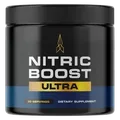
Formulations like Nitric Boost Ultra are engineered entirely around the Nitric Oxide pathway. By delivering potent, clinical doses of L-Citrulline, beet root extract, and supporting antioxidants, these supplements flood the endothelium with the exact raw materials required to drastically increase NO production. The result is robust vasodilation, healthy blood pressure, and a profound increase in natural energy as circulation is restored to optimal levels.
Conclusion
Your blood vessels are not stiff, inanimate pipes; they are dynamic, muscular tissues controlled by Nitric Oxide. By understanding this biological pathway and actively supporting your body's NO production, you can naturally lower your blood pressure, protect your heart, and maintain youthful circulation for life.
Scientific References & Validation
Full citations with PMID links, methodology notes & evidence ratings on puresupphub.com