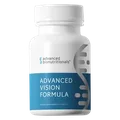
The human retina and optic nerve are essentially extensions of the central nervous system. Consequently, their structural and functional integrity is profoundly dependent on highly specific lipid profiles. This clinical audit analyzes verified pharmacology, active botanical standardized extracts, safety profiles, and published scientific literature in Vision & Eye Health.
The Lipid Architecture of Vision
The human retina and optic nerve are essentially extensions of the central nervous system. Consequently, their structural and functional integrity is profoundly dependent on highly specific lipid profiles.
The photoreceptor outer segments and the myelin sheaths of the optic nerve possess the highest concentration of Docosahexaenoic Acid (DHA) - a long-chain Omega-3 polyunsaturated fatty acid - found anywhere in the human body. DHA is not merely a structural component; it is a vital signaling molecule that dictates cellular survival.
The modern Western diet, severely deficient in Omega-3s and overloaded with pro-inflammatory Omega-6s, drastically alters this lipid composition, predisposing the eye to neurodegeneration, particularly in conditions like glaucoma and ischemic optic neuropathy.
Neuroprotection: How DHA and EPA Save Retinal Ganglion Cells
The optic nerve is comprised of the axons of Retinal Ganglion Cells (RGCs). When the optic nerve is subjected to stress - whether from elevated intraocular pressure, hypoxia, or inflammation - the RGCs undergo apoptosis (programmed cell death).
Omega-3 fatty acids, specifically DHA and Eicosapentaenoic Acid (EPA), intervene in this neurodegenerative cascade through several potent mechanisms:
- Resolution of Inflammation: EPA and DHA are the precursors to specialized pro-resolving mediators (SPMs) known as resolvins and neuroprotectins (e.g., Neuroprotectin D1). These molecules actively "turn off" the inflammatory response. They suppress the activation of retinal microglia (the resident immune cells of the retina), preventing them from releasing neurotoxic cytokines that destroy RGCs.
- Inhibition of Apoptosis: DHA is incorporated directly into the mitochondrial membranes of the Retinal Ganglion Cells. During times of cellular stress, DHA-derived signaling molecules inhibit the release of cytochrome c from the mitochondria, effectively halting the biochemical executioners (caspases) that trigger cell death.
- Vascular Perfusion: EPA enhances endothelial function and vasodilation, improving microvascular blood flow to the optic nerve head. This increases oxygen and nutrient delivery, protecting the nerve from ischemic damage.
The Necessity of Supplementation
Because the body cannot efficiently synthesize EPA and DHA from plant-based Omega-3s (like ALA found in flaxseed), maintaining optimal retinal DHA levels requires direct dietary or supplemental intake.
Clinical Takeaway
Protecting the optic nerve from neurodegeneration requires maintaining an anti-inflammatory, neuroprotective lipid environment within the central nervous system.
While standard vision supplements focus on the macula, comprehensive neuroprotection requires Omega-3s. Combining highly purified, bioavailable Omega-3 supplementation with targeted ocular formulas like Advanced Vision or iGenics provides a synergistic defense. The botanical antioxidants neutralize immediate free radical damage, while the EPA/DHA remodel the cellular membranes, suppressing neuroinflammation and providing critical, long-term survival signals to the optic nerve.
Why This Biological Process Matters
Age-related macular degeneration (AMD) begins with oxidative damage to photoreceptor cells decades before visual symptoms emerge. UV exposure, blue light from screens, and systemic inflammation all accelerate this cellular deterioration.
Understanding this biological process helps explain why targeted daily support - not just isolated dietary improvements - is necessary for consistent results.
How the Ocular And Vascular System Responds
The macula - the central region of the retina responsible for sharp vision - has the highest metabolic activity and oxygen demand in the body. Lutein and zeaxanthin accumulate in the macular pigment layer, acting as biological blue-light filters and antioxidants.
This mechanism explains why the biological factors discussed in this article are not merely lifestyle suggestions but represent the foundational drivers of long-term ocular health.
Scientific References & Validation
Full citations with PMID links, methodology notes & evidence ratings on puresupphub.com