Periodontal disease (gum disease) is frequently viewed as a localized issue—a cosmetic nuisance characterized by bleeding gums, bad breath, and eventual tooth loss. However, modern clinical pathology recognizes periodontitis as a severe, chronic, low-grade inflammatory disease with profound systemic implications.
Periodontitis: More Than Just Tooth Loss
Periodontal disease (gum disease) is frequently viewed as a localized issue - a cosmetic nuisance characterized by bleeding gums, bad breath, and eventual tooth loss. However, modern clinical pathology recognizes periodontitis as a severe, chronic, low-grade inflammatory disease with profound systemic implications.
The mouth is a highly vascularized cavity. When the gums are inflamed and ulcerated by periodontitis, they essentially become an open wound - a direct portal for oral pathogens to enter the systemic bloodstream.
The Mechanism of Systemic Dissemination
The transition from localized gingivitis to destructive periodontitis is driven by a shift in the oral microbiome toward highly virulent, gram-negative anaerobic bacteria, known collectively as the "Red Complex" (most notably Porphyromonas gingivalis, Treponema denticola, and Tannerella forsythia).
- Tissue Invasion: These pathogens do not just sit on the tooth; they possess virulence factors (like gingipains) that allow them to aggressively invade the epithelial cells of the gingival pocket.
- Ulceration and Bacteremia: As the immune system fights back, the gingival tissue becomes highly inflamed, friable, and ulcerated. Simple actions like chewing or brushing now force these bacteria and their endotoxins (Lipopolysaccharides - LPS) directly into the ruptured capillaries. This is known as transient bacteremia.
- Systemic Cytokine Storm: Once in the bloodstream, the LPS triggers a massive systemic immune response. The liver ramps up the production of acute-phase reactants, particularly C-Reactive Protein (CRP).
The Cardiovascular Connection
Chronically elevated CRP is a primary, independent risk factor for cardiovascular disease. The systemic inflammation driven by periodontitis directly contributes to atherogenesis (the formation of plaque in the arteries).
In fact, clinical studies have repeatedly isolated live P. gingivalis bacteria directly from the atherosclerotic plaques inside the coronary arteries of heart attack victims. These bacteria promote the oxidation of LDL cholesterol and the formation of foam cells, accelerating the arterial blockage.
Clinical Takeaway
Ignoring bleeding gums is akin to ignoring a chronic, festering wound that is continuously dumping bacteria into your bloodstream.
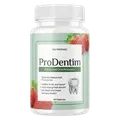
Managing periodontitis requires more than surface-level cleaning; it requires a deep, systemic response. ProDentim helps to outcompete the Red Complex pathogens by repopulating the oral cavity with beneficial, anti-inflammatory probiotic strains. Concurrently, formulations like Dentitox Pro deliver concentrated, antimicrobial botanical extracts directly to the inflamed gingival tissues, helping to neutralize deep-pocket pathogens, soothe ulcerations, and close the gateway to systemic inflammation.
Scientific References & Validation
Full citations with PMID links, methodology notes & evidence ratings on puresupphub.com