Imagine running a car engine without any oil. The metal parts would grind together, generating immense heat, friction, and eventually, catastrophic failure. Your joints operate on the exact same principle. The "oil" that keeps your bones from grinding against each other is called synovial fluid.
The Oil in Your Engines
Imagine running a car engine without any oil. The metal parts would grind together, generating immense heat, friction, and eventually, catastrophic failure. Your joints operate on the exact same principle. The "oil" that keeps your bones from grinding against each other is called synovial fluid.
When your joints feel stiff, crunchy, or painful, the problem isn't always the bone or the cartilage itself - often, it is the degradation of the synovial fluid caused by systemic inflammation.
What is Synovial Fluid?
Synovial fluid is a thick, viscous liquid found in the cavities of your movable joints (like knees, elbows, and shoulders). It is primarily composed of hyaluronic acid and a protein called lubricin.
This fluid has two critical jobs:
- Lubrication: It creates a frictionless surface, allowing the cartilage caps of your bones to slide smoothly past one another.
- Nutrition: Because cartilage does not have a blood supply, the synovial fluid acts as the delivery system, bringing oxygen and nutrients to the cartilage cells and carrying away metabolic waste.
The Inflammatory Attack
Inflammation is the body's natural response to injury. However, when inflammation becomes chronic and systemic - driven by stress, poor diet, or autoimmune factors - it wreaks havoc on the joints.
The lining of the joint, known as the synovial membrane, is responsible for producing synovial fluid. When this membrane becomes inflamed (a condition known as synovitis), the entire environment changes:
Dilution:
Lab Verified ActiveThe inflamed membrane begins to leak excess blood plasma into the joint cavity. This dilutes the synovial fluid, making it thin and watery rather than thick and viscous.
Hyaluronic Acid Breakdown:
Extracellular Matrix HydratorInflammatory cytokines release enzymes that chop up the long chains of hyaluronic acid, completely destroying the fluid's lubricating properties.
Cartilage Starvation:
Lab Verified ActiveThe watery, degraded fluid is no longer able to effectively deliver nutrients to the cartilage, leading to rapid cellular death and cartilage erosion.
Restoring the Fluid Balance
If your synovial fluid has been thinned out by inflammation, the bones will begin to grind, accelerating the onset of osteoarthritis. To protect your joints, you must extinguish the inflammatory fire.
#### 1. Anti-Inflammatory Diet
The food you eat directly influences systemic inflammation. Reducing highly processed foods, refined sugars, and industrial seed oils while increasing your intake of Omega-3 fatty acids (found in fatty fish) can help lower inflammatory markers in the blood.
#### 2. Specialized Nutritional Support
Calming the synovial membrane requires targeted intervention. Certain botanical compounds are highly effective at modulating the body's inflammatory response at the cellular level.
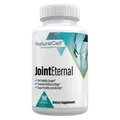
Formulations like JointEternal are built around this exact principle. By delivering potent, natural anti-inflammatories, these supplements help soothe the irritated synovial membrane. Once the inflammation subsides, the membrane can resume producing thick, healthy, hyaluronic-acid-rich synovial fluid, restoring the vital "oil" your joints need to move freely and without pain.
Conclusion
Joint pain is often a fluid problem, not a bone problem. By addressing systemic inflammation, you can protect and restore your synovial fluid, preventing the grinding friction that destroys cartilage and reclaiming your smooth, painless mobility.
Scientific References & Validation
Full citations with PMID links, methodology notes & evidence ratings on puresupphub.com