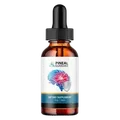
Deep inside the center of the brain—nestled between the two hemispheres in a small cavity called the epithalamus—sits the pineal gland: a pea-sized neuroendocrine structure that has fascinated philosophers and scientists for centuries. René Descartes called it "the seat of the soul." Modern neuroscience is more precise: it is the body's master clock synchronizer and the exclusive manufacturer of melatonin—the hormone that initiates, sustains, and regulates the biological cascade of sleep.
Deep inside the center of the brain - nestled between the two hemispheres in a small cavity called the epithalamus - sits the pineal gland: a pea-sized neuroendocrine structure that has fascinated philosophers and scientists for centuries. René Descartes called it "the seat of the soul." Modern neuroscience is more precise: it is the body's master clock synchronizer and the exclusive manufacturer of melatonin - the hormone that initiates, sustains, and regulates the biological cascade of sleep.
When the pineal gland functions optimally, sleep onset is rapid, sleep is deep and restorative, and the brain's nighttime repair processes operate at full efficiency. When pineal function is compromised - through light pollution, fluoride accumulation, electromagnetic disruption, chronic stress, or aging - the consequences cascade through every system of the body that depends on sleep for maintenance and regeneration.
The Pineal Gland's Role in Sleep Architecture
The pineal gland operates on a strict 24-hour rhythm controlled by photic (light) input from the retina via the suprachiasmatic nucleus (SCN) of the hypothalamus. In complete darkness, the pineal gland synthesizes melatonin from serotonin through a two-step enzymatic process:
- Serotonin → N-acetylserotonin (via AANAT enzyme, activated by darkness)
- N-acetylserotonin → Melatonin (via HIOMT enzyme)
Melatonin secretion begins approximately two hours before natural sleep time (typically around 9-10 PM in adults), peaks between midnight and 3 AM, and tapers off as light exposure begins at dawn. This melatonin surge does not cause sleep directly - it signals every cell in the body that it is biologically nighttime, coordinating the release of growth hormone, the initiation of tissue repair, the activation of the glymphatic brain-clearance system, and the downregulation of inflammatory cytokines.
The precision of this timing has consequences. A delay in melatonin onset of just 90 minutes - caused by exposure to blue-wavelength light from screens after 8 PM - compresses the biologically available time for deep sleep stages (N3) and REM, reduces growth hormone secretion by up to 50%, and measurably impairs next-day cognitive performance, immune function, and metabolic efficiency.
The Pineal Threat: What Suppresses and Calcifies the Gland Over Time
The pineal gland is uniquely vulnerable among brain structures for two reasons: it lacks the blood-brain barrier protection enjoyed by the rest of the brain, and it has the highest calcification rate of any soft tissue in the human body.
Pineal Calcification (Corpora Arenacea)
Calcium phosphate and calcium carbonate deposits - known as "brain sand" or corpora arenacea - accumulate in the pineal gland with age. Detectable on X-ray or CT scans in over 50% of adults over 50, pineal calcification is associated with reduced melatonin secretion, impaired circadian rhythm entrainment, and poorer sleep quality.
Multiple research groups have identified fluoride as a primary accelerant of pineal calcification: the pineal gland accumulates fluoride at concentrations far exceeding any other soft tissue in the body, and excess fluoride exposure is associated with earlier onset and greater severity of calcification.
Blue Light Suppression of Melatonin
The intrinsically photosensitive retinal ganglion cells (ipRGCs) that carry light signals to the SCN are maximally sensitive to wavelengths between 460-490 nm - precisely the dominant wavelength emitted by LED screens, fluorescent lighting, and most indoor artificial light sources. Even low-intensity blue light exposure in the evening suppresses melatonin by 50-80% within minutes of exposure.
Cortisol Antagonism
Cortisol and melatonin operate on opposing rhythms - cortisol peaks in the morning and should be nearly absent by late evening; melatonin peaks at night. Chronic stress produces cortisol elevation that persists into the evening hours, directly suppressing melatonin synthesis through competitive hormonal antagonism at the pineal gland level.
Electromagnetic Field Exposure
Research - primarily from animal models - has indicated that chronic low-level electromagnetic field (EMF) exposure can suppress pineal melatonin output. The presence of WiFi routers, smartphones, and other wireless devices in the bedroom may contribute to reduced melatonin amplitude in sensitive individuals.
Natural Habits That Restore Pineal Melatonin Production
Strict Light Discipline After Sunset
The single most impactful behavioral intervention for pineal health is eliminating blue-wavelength light exposure in the 2-3 hours before intended sleep time. Practical strategies include:
- Blue-light-blocking glasses with amber lenses rated to filter ≥90% of 450-490 nm wavelengths
- Switching overhead LED lighting for warm-spectrum (2700K or below) incandescent or LED alternatives
- Enabling true Night Mode (not just "night shift") on screens, or using f.lux software on computers
- Leaving all screens outside the bedroom entirely
Morning Sunlight Exposure
Paradoxically, robust melatonin production at night depends on adequate bright light exposure in the morning. The SCN requires a strong photonic signal at dawn to anchor the circadian clock. Ten to twenty minutes of outdoor sunlight exposure within the first hour of waking - without sunglasses - provides the photic input that calibrates the clock for optimal evening melatonin timing.
Temperature Management
Core body temperature drops by approximately 1-2°C during the transition to sleep, acting as a permissive signal for melatonin's sleep-initiation role. A cool bedroom (16-19°C / 60-67°F), cool shower before bed, or warm bath (which paradoxically cools the core through heat dissipation) accelerates this temperature drop and supports melatonin function.
What is Pineal Guardian and What is It For?
Pineal Guardian is a targeted neuroendocrine support formula designed to address the full spectrum of factors that suppress and calcify the pineal gland - restoring the conditions necessary for robust, natural melatonin production and deep, restorative sleep.The formula works through four complementary mechanisms:
Melatonin (Pharmaceutical-Grade): Provides direct melatonin supplementation to compensate for reduced endogenous production, timed to reinforce the natural melatonin surge rather than replace it. The dose is calibrated to the low-dose range (0.5-1mg) shown in clinical research to be as effective or more effective than high doses for circadian rhythm entrainment - without the morning grogginess associated with higher doses. Tamarind Seed Extract for Fluoride Chelation Support: Tamarind (Tamarindus indica) has been investigated for its ability to support the elimination of fluoride from biological tissues. Animal studies have shown that tamarind administration increases urinary fluoride excretion - suggesting a role in reducing fluoride bioaccumulation in tissues including the pineal gland. Chaga Mushroom (Inonotus obliquus) for Antioxidant Pineal Protection: Chaga provides exceptionally high concentrations of superoxide dismutase (SOD) and other antioxidant compounds. The pineal gland generates oxidative byproducts during melatonin synthesis, and protecting the gland's mitochondria from oxidative damage supports sustained enzyme activity and hormone output. L-Theanine for Pre-Sleep Alpha Wave Induction: L-Theanine - the primary amino acid in green tea - promotes the generation of alpha brain waves (8-12 Hz) that are associated with relaxed, non-drowsy mental states. By promoting the calm focus of an alpha state in the evening, L-Theanine facilitates the psychological transition toward sleep without sedation - allowing melatonin to initiate sleep onset naturally. Ginkgo Biloba for Pineal Microcirculation: The pineal gland's melatonin synthetic capacity depends on adequate blood flow to deliver the serotonin precursor and enzymatic cofactors required for melatonin biosynthesis. Ginkgo's vasodilatory and antiplatelet properties support microvascular perfusion of the pineal gland.How to Take Pineal Guardian: The Official Protocol
Recommended Daily Dosage and Frequency
The formula is taken as one serving per night, approximately 60 minutes before intended sleep time. This timing allows L-Theanine to establish the alpha-wave transition state and melatonin to begin coordinating the hormonal cascade before the body reaches the bedroom.
Should Pineal Guardian Be Taken With Food or on an Empty Stomach?
The formula is most effective taken on a light, empty stomach. A heavy meal within 90 minutes of administration delays gastric emptying and slows the absorption of melatonin and L-Theanine, blunting the onset of their sleep-initiating effects. A light herbal tea or a small snack (a few nuts or a piece of fruit) will not meaningfully impair absorption.
What to Expect in the First Week
Unlike pharmaceutical sleep medications, Pineal Guardian does not produce sedation through CNS depression. Users should expect:
- Nights 1-3: Faster sleep onset (typically 15-25 minutes shorter than baseline) and reduced middle-of-the-night waking.
- Nights 4-7: Deeper sleep stages with more vivid and memorable dreams (a sign of improved REM density).
- Weeks 2-4: Consolidated circadian rhythm with earlier, more consistent natural melatonin onset and more energized morning waking.
Who Should Consult a Physician Before Use?
- Individuals taking immunosuppressant medications (melatonin has immunomodulatory effects).
- Those with autoimmune conditions should discuss melatonin supplementation with their physician.
- Individuals taking anticoagulant medications should consult their physician before use of Ginkgo-containing formulas.
- Pregnant or breastfeeding individuals should not use this formula.
Scientific References & Validation
Full citations with PMID links, methodology notes & evidence ratings on puresupphub.com