As we age, a natural decline in muscle mass and strength—a condition known as sarcopenia—begins to affect our daily lives. From feeling physically exhausted after minor activities to struggling to maintain the stamina we once took for granted, the loss of lean muscle tissue is a primary driver of age-related fatigue. But you do not have to accept this decline as inevitable.
As we age, a natural decline in muscle mass and strength - a condition known as sarcopenia - begins to affect our daily lives. From feeling physically exhausted after minor activities to struggling to maintain the stamina we once took for granted, the loss of lean muscle tissue is a primary driver of age-related fatigue. But you do not have to accept this decline as inevitable.
By strategically adjusting your lifestyle, nutrition, and supplementation, you can improve muscle strength, support muscle repair after exercise, and dramatically improve energy levels naturally.
Why Muscle Strength Declines After 50
Muscle tissue is dynamic; it is constantly being broken down and rebuilt in a process called muscle protein synthesis (MPS). When you are young, your body efficiently repairs muscle fibers using the protein you eat. However, as you pass the age of 50, your body experiences "anabolic resistance." This means your muscles become less responsive to the protein in your diet and the exercise you perform.
Simultaneously, mitochondrial function (the energy centers of your cells) becomes less efficient. This dual decline - anabolic resistance and mitochondrial slowdown - is why you experience both muscle loss and persistent fatigue.
3 Natural Strategies to Rebuild Muscle and Energy
1. Progressive Resistance Training
You cannot build muscle without challenging it. Progressive resistance training - lifting weights or using resistance bands - creates micro-tears in the muscle fibers. This signals the body to rebuild those fibers stronger than before. For older adults, focusing on compound movements (like squats and modified deadlifts) safely stimulates the maximum amount of muscle tissue and triggers beneficial hormonal responses.
2. Prioritize High-Quality Protein Intake
Because of anabolic resistance, older adults actually require more protein per meal to trigger muscle protein synthesis than younger adults. However, many people struggle to digest large amounts of meat or dairy as they age, leading to a protein deficit.
To combat this, focus on highly bioavailable protein sources like eggs, wild-caught fish, and easily digestible plant proteins.
3. Supplementing to Overcome Anabolic Resistance
When dietary protein is not enough, natural supplements for muscle loss can bridge the gap. The true secret to triggering muscle repair lies in Essential Amino Acids (EAAs).
Unlike dietary protein, which your body must spend energy to digest and break down, free-form amino acids require zero digestion. They enter your bloodstream almost immediately, bypassing the digestive system and delivering the raw materials your muscles need to rebuild.
A comprehensive amino acid formula that provides the precise ratio of all eight essential amino acids is often the missing link for individuals trying to overcome fatigue and energy deficits while restoring their muscle strength.
Clinical Recommendation
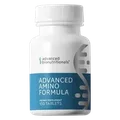
For comprehensive support addressing the biological pathways discussed in this article, our clinical advisory board strongly recommends Advanced Amino Formula as a targeted nutritional solution.
Scientific References & Validation
Full citations with PMID links, methodology notes & evidence ratings on puresupphub.com