After the age of 40, many people begin noticing something that does not show up on routine blood tests: a subtle but progressive erosion of the mental sharpness they took for granted in their twenties and thirties. Words are slower to surface. Multitasking feels more cognitively expensive. The ability to stay focused for extended periods requires more effort. This is not imagination. It is measurable neurochemistry.
After the age of 40, many people begin noticing something that does not show up on routine blood tests: a subtle but progressive erosion of the mental sharpness they took for granted in their twenties and thirties. Words are slower to surface. Multitasking feels more cognitively expensive. The ability to stay focused for extended periods requires more effort. This is not imagination. It is measurable neurochemistry.
The underlying mechanism involves a gradual, age-related decline in the synthesis and signaling of the brain's key neurotransmitters - the chemical messengers that govern every cognitive function, from working memory and long-term recall to attention, motivation, and emotional regulation.
Why Neurotransmitters Decline After 40
The human brain contains approximately 86 billion neurons connected by trillions of synapses. At each synapse, neurotransmitters carry signals across the microscopic gap between nerve cells, allowing information to flow rapidly and coherently through neural circuits. The most critical neurotransmitters for cognitive performance are:
Acetylcholine is the neurotransmitter most directly associated with memory encoding and learning. Every time you memorize a phone number, retain a name, or consolidate an experience into long-term storage, acetylcholinergic neurons are the biological substrate. Acetylcholine synthesis depends on the nutrient choline and the enzyme choline acetyltransferase (ChAT). After 40, both ChAT activity and choline dietary intake frequently decline below optimal levels. Dopamine is the brain's primary motivation and reward signal, as well as the driver of executive function - the ability to plan, prioritize, and maintain cognitive focus on a goal across time. Dopamine is produced in the substantia nigra and ventral tegmental area, and these dopaminergic circuits begin showing measurable age-related atrophy from the fourth decade onwards. BDNF (Brain-Derived Neurotrophic Factor) is technically a neurotrophin, not a neurotransmitter, but it functions as the fertilizer for neuronal survival and synaptic plasticity. BDNF stimulates the creation of new synapses (neuroplasticity) and protects existing neurons from degeneration. Sedentary lifestyle, chronic stress, and poor sleep - all common after 40 - are the primary drivers of BDNF decline.The convergence of these three deficits creates a clinical picture that affects quality of life profoundly: diminished recall of names and recent events, reduced motivation and drive, difficulty maintaining focus during complex tasks, and a heightened susceptibility to cognitive fatigue.
Natural Habits That Preserve Neurotransmitter Production
Before considering supplementation, specific daily behaviors have the strongest evidence base for preserving neurochemical balance:
Dietary Inputs for Neurotransmitter Synthesis
Neurotransmitters are assembled by the brain from dietary precursors. Without the correct building blocks in the diet, no supplement can fully compensate:
- Choline-rich foods (egg yolks, liver, salmon): Choline is the direct precursor to acetylcholine. Most adults over 40 consume chronically insufficient choline. A single large egg provides approximately 147 mg - nearly one-third of the adequate intake level.
- Tyrosine-rich proteins (chicken, turkey, tofu, legumes): Tyrosine is the amino acid from which dopamine is synthesized. A meal containing high-quality protein twice daily ensures consistent dopamine precursor availability.
- Omega-3 fatty acids (fatty fish, walnuts, flaxseed): DHA (docosahexaenoic acid) is the primary structural fat of neuronal membranes. Higher DHA levels are consistently associated with greater synaptic density and slower BDNF decline.
- Polyphenol-rich foods (blueberries, dark chocolate, green tea): Specific flavonoids - particularly anthocyanins and catechins - cross the blood-brain barrier and directly upregulate BDNF expression in the hippocampus, the brain's memory formation center.
Exercise: The Most Powerful BDNF Stimulant Known
Aerobic exercise is the single most effective non-pharmacological intervention for raising BDNF levels. A landmark study from the Proceedings of the National Academy of Sciences demonstrated that moderate aerobic exercise three to five times per week increased hippocampal volume by 2% in older adults - effectively reversing 1-2 years of age-related brain volume loss. Even 30 minutes of brisk walking produces measurable BDNF elevation lasting several hours.
Sleep Architecture and Synaptic Maintenance
During slow-wave sleep (stages N2 and N3), the brain undergoes synaptic pruning and consolidation - a process that clears the metabolic byproducts of daily neural activity and strengthens newly formed memory traces. Chronic sleep deprivation elevates cortisol, which directly suppresses BDNF synthesis and accelerates hippocampal atrophy.
What is Neuroactiv6 and What is It For?
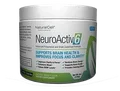
When dietary intake, exercise habits, and sleep hygiene are optimized but cognitive performance remains below baseline, targeted nutraceutical support can provide the additional neurochemical substrate the aging brain requires. Neuroactiv6 is a clinically formulated nootropic designed to address the multi-layered neurotransmitter deficits that accelerate after the fourth decade of life.
The formula works across three complementary biological pathways:
1. Acetylcholine Support via Alpha GPC:Alpha GPC (Alpha-Glycerophosphocholine) is the most bioavailable form of choline available to the brain. Unlike dietary choline, which must be converted through multiple metabolic steps, Alpha GPC is readily transported across the blood-brain barrier and directly converted to acetylcholine. Clinical studies have documented Alpha GPC's ability to improve memory recall, verbal fluency, and learning speed in adults experiencing age-related cognitive decline.
2. Dopaminergic and BDNF Support via Sensoril Ashwagandha:Ashwagandha (Withania somnifera), standardized as Sensoril, acts as an adaptogen that regulates the HPA axis and reduces the chronic cortisol burden that suppresses dopaminergic and BDNF-generating pathways. By lowering neuroinflammatory cytokine production, it creates a more favorable neurochemical environment for dopamine synthesis and synaptic plasticity.
3. Neuroplasticity Enhancement via Active B Vitamins:The B vitamin complex - particularly Vitamin B6 (pyridoxine), Vitamin B9 (methylfolate), and Vitamin B12 (methylcobalamin) - are essential cofactors in every major neurotransmitter synthesis pathway. Methylfolate supports the methylation cycle that produces serotonin, dopamine, and norepinephrine. Methylcobalamin preserves myelin sheath integrity, ensuring that neuronal signal transmission remains fast and accurate.
Together, these components create a synergistic formula that addresses the root biochemistry of cognitive decline, rather than providing temporary stimulation that bypasses the underlying deficits.
How to Take Neuroactiv6 Correctly: The Official Protocol
Recommended Daily Dosage and Frequency
The standard protocol for Neuroactiv6 is one serving per day, mixed with 6-8 ounces of water or a cold beverage. The powdered delivery format is intentional: it allows for faster gastric absorption compared to capsule forms, ensuring the neurotrophin-supporting compounds reach the bloodstream and cross the blood-brain barrier more rapidly.
Should You Take Neuroactiv6 Before or After Breakfast?
The formula is designed to be taken in the morning, ideally 15-30 minutes before or with breakfast. This timing aligns with the natural morning peak in cortisol, which - when in the healthy range - acts as a cognitive activator. By supporting neurotransmitter precursor availability at this peak activation window, the formula amplifies morning mental clarity, focus, and working memory capacity during the most cognitively demanding hours of the day.
Taking Neuroactiv6 in the evening is not recommended because adaptogenic compounds can interfere with sleep onset in some individuals, and the alertness-promoting effects of Alpha GPC are most valuable during waking hours.
Can Neuroactiv6 Be Stacked With Other Supplements?
Neuroactiv6 is compatible with most standard nutritional supplements. It pairs synergistically with omega-3 fatty acids (DHA) and phosphatidylserine, which support neuronal membrane integrity. Individuals taking other B vitamin supplements should review total methylcobalamin intake to avoid excessive accumulation.
Expected Before and After: Cognitive Restoration Timeline
Neuroactiv6 supports progressive neurochemical restoration over a sustained protocol:
- Days 7-14 (Baseline Establishment): Alpha GPC accumulation provides the first measurable increases in acetylcholine availability. Many users report reduced word-retrieval delays and improved morning alertness within the first two weeks.
- Weeks 3-6 (Synaptogenesis): Sustained BDNF support begins to manifest as improved retention of new information, faster recall of names and details, and reduced susceptibility to cognitive fatigue during long mental work sessions.
- Weeks 8-12 (Neuroplastic Consolidation): Adaptogenic normalization of cortisol creates a stable neurochemical baseline. Users report improved emotional resilience, sharper executive function, and more consistent mood and motivation across the day.
#### Who Should Avoid This Formula?
- Individuals with choline sensitivity (rare but documented) should introduce Alpha GPC-containing formulas gradually.
- Those with autoimmune thyroid conditions should consult a physician before using ashwagandha-containing supplements.
- Pregnant or breastfeeding individuals should not use this formula without medical supervision.
Scientific References & Validation
Full citations with PMID links, methodology notes & evidence ratings on puresupphub.com