As the human brain ages, structural and functional changes naturally alter cognitive reserve and memory retrieval. For millions of aging adults, subtle memory lapses, slow processing speeds, and mental fatigue represent early indicators of synaptic degradation. To combat this decline, nootropic supplements—compounds designed to enhance cognitive performance, neuroprotection, and synaptic plasticity—have surged in popularity.
Understanding Cognitive Decline and Nootropic Support
As the human brain ages, structural and functional changes naturally alter cognitive reserve and memory retrieval. For millions of aging adults, subtle memory lapses, slow processing speeds, and mental fatigue represent early indicators of synaptic degradation. To combat this decline, nootropic supplements - compounds designed to enhance cognitive performance, neuroprotection, and synaptic plasticity - have surged in popularity.
However, the unregulated nature of the dietary supplement industry presents a significant challenge. The market is saturated with low-grade formulations, underdosed proprietary blends, and products exposed to environmental stress in retail warehouses. To secure authentic, clinical-grade brain support, consumers must learn how to rigorously vet nootropics for cognitive decline, focusing on raw ingredient standardization, clinical dosing, and laboratory-direct sourcing.
Vetting Raw Botanical Purity and Standardization
When auditing a brain supplement, the first step is verifying the standardization of active botanical compounds. Raw plant powders (e.g., raw Bacopa monnieri leaf powder) contain very low levels of active phytochemicals. Premium clinical formulations utilize standardized extracts, which guarantee a specific percentage of the active compound responsible for therapeutic benefits.
Bacopa Monnieri and Bacosides
Bacopa monnieri is a cornerstone botanical for memory consolidation. Studies show it supports synaptic communication by repairing damaged neurons and enhancing dendritic branching. However, a raw Bacopa powder is biologically weak. A clinically vetted nootropic must list a standardized extract containing at least 20% to 50% bacosides - the active saponins responsible for facilitating synaptic protein synthesis. If the supplement label simply lists "Bacopa monnieri powder" without a bacoside percentage, it fails clinical-grade vetting.
Phosphatidylserine (PS) Source Auditing
Phosphatidylserine is a critical phospholipid component of neuronal cell membranes, vital for maintaining membrane fluidity and supporting neurotransmitter release. As we age, natural PS levels in the brain decline, leading to cognitive fatigue. When vetting PS, look for source disclosure. Historically, PS was derived from bovine cortex, which carried risk of disease transmission. Modern clinical PS is derived from plant sources. Prioritize soy-free, sunflower-derived Phosphatidylserine (standardized to 20% or higher) to avoid common allergen issues and ensure clean extraction.
Huperzine A and Acetylcholinesterase Inhibition
Huperzine A is a potent alkaloid extracted from Huperzia serrata. It acts as a natural acetylcholinesterase inhibitor, preventing the breakdown of acetylcholine - the primary neurotransmitter responsible for learning and memory recall. Because Huperzine A is highly potent, it must be dosed in micrograms (mcg), typically 50mcg to 200mcg. Vetting requires ensuring the manufacturer lists the exact microgram count rather than hiding it in a proprietary blend, which could lead to accidental overdosing or ineffective underdosing.
The Acetylcholine Conversion Pathway
To appreciate how standardized nootropics support neurotransmitter levels, we must look at the biochemical synthesis of acetylcholine in the central nervous system:
The Acetylcholine Conversion Pathway
Choline Intake
Dietary choline sources cross the blood-brain barrier into cerebral fluid.
Enzymatic Synthesis
Choline acetyltransferase synthesizes active acetylcholine neurotransmitters.
Synaptic Plasticity
Enhanced synaptic communication optimizes memory recall and speed.
Dietary choline precursors (such as Alpha-GPC or Citicoline) must successfully cross the blood-brain barrier. Once inside the brain, the enzyme choline acetyltransferase synthesizes acetylcholine, which activates receptors to enhance synaptic plasticity and memory recall. Standardized nootropics ensure the steady availability of these raw materials.
Vetting Clinical-Grade Dosing vs. Proprietary Blends
A major warning sign when auditing online supplement stores is the use of proprietary blends. Manufacturers use these blends to protect "trade secrets," but they frequently exploit this loophole to hide cheap fillers (like silica or rice flour) while underdosing the expensive, active ingredients.
For example, a product might list a "Cognitive Focus Blend" totaling 500mg, highlighting ingredients like Alpha-GPC, Phosphatidylserine, and Bacopa monnieri. In reality, the blend may contain 490mg of cheap fillers and only 10mg of the active nootropics - an amount far below the clinical threshold needed to prevent cognitive decline.
To vet nootropics effectively, select only products that provide full label transparency, disclosing the exact milligram or microgram count of every single ingredient. Compare these label values to clinical studies:
Alpha-GPC
Lab Verified ActiveDoses should range between 150mg and 300mg for daily cognitive maintenance.
Phosphatidylserine
Lab Verified ActiveStandardized doses should meet a minimum of 100mg per serving.
Ginkgo Biloba
Cerebral Perfusion CatalystStandardized to 24% ginkgo flavone glycosides, doses should be 120mg to 240mg daily.
Direct Sourcing of Vetted Brain Formulations
When seeking premium targeted formulations for memory and cognitive speed, sourcing directly from verified laboratory checkouts is critical to preserve active compound integrity:
Targeted Synaptic Support
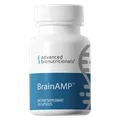
For immediate focus and concentration support, BrainAmp combines standardized botanical extracts with key cognitive cofactors. Sourcing BrainAmp directly from the official manufacturer checkout ensures you receive a fresh batch where the delicate nootropic compounds have not oxidized, protecting their ability to cross the blood-brain barrier.
Cognitive Reserve Preservation
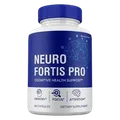
To support long-term memory recall and neuronal membrane health, NeuroFortis utilizes standardized plant-derived Phosphatidylserine and cellular antioxidants. Buying NeuroFortis direct bypasses retail fulfillment centers, preventing thermal degradation of delicate phospholipids.
Acetylcholine Optimization
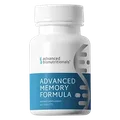
For comprehensive brain health, Advanced Memory Formula delivers clinical doses of natural choline donors and acetylcholinesterase inhibitors. Sourcing this formula direct guarantees a secure chain of custody, ensuring that you receive a cGMP-compliant bottle backed by the official manufacturer refund warranty.
The Direct Buying Vetting Checklist
To protect your cognitive health and avoid wasting money on underdosed or expired products, apply this strict vetting checklist to every brain supplement purchase:
- Demand Label Transparency: Reject any supplement that hides its active nootropic ingredients in proprietary blends.
- Verify Standardization: Ensure botanicals show specific active marker percentages (e.g., Bacopa standardized to bacosides).
- Confirm cGMP Compliance: The product must be manufactured in an FDA-registered facility that holds third-party Good Manufacturing Practices certification.
- Secure Chain of Custody: Purchase only through verified manufacturer portals to ensure the product has been stored in climate-controlled warehouses, protecting delicate enzymes from potency loss.
By implementing this vetting protocol, you can safely navigate the complex supplement marketplace and secure authentic, clinical-grade nootropics to support your cognitive reserve.
Scientific References & Validation
Full citations with PMID links, methodology notes & evidence ratings on puresupphub.com