As we age, our brains naturally undergo structural and functional changes. Neurons can lose synaptic connections, blood flow to cerebral tissues can decrease, and oxidative stress can accumulate. However, the human brain has an incredible capacity to adapt and build resilience—a concept known as cognitive reserve.
As we age, our brains naturally undergo structural and functional changes. Neurons can lose synaptic connections, blood flow to cerebral tissues can decrease, and oxidative stress can accumulate. However, the human brain has an incredible capacity to adapt and build resilience - a concept known as cognitive reserve.
Cognitive reserve represents the brain's ability to improvise, find alternative ways of getting a job done, and buffer against age-related damage. By incorporating targeted nutrition, daily lifestyle adjustments, and advanced mental focus tips, you can actively strengthen your brain's architecture and maintain sharp performance.
Understanding Cognitive Reserve: The Brain's Defense Against Aging
Cognitive reserve is built through lifetime mental stimulation, physical activity, and proper nutrition. Biologically, it is driven by two key factors:
- Synaptic Density: The sheer number of active connections between your brain cells. The more pathways your brain has, the easier it can bypass damaged areas.
- Brain-Derived Neurotrophic Factor (BDNF): A crucial protein that acts as "fertilizer" for your brain. BDNF supports the survival of existing neurons and encourages the growth of new synapses (neurogenesis).
When BDNF levels are high, the brain is highly adaptable, making it easier to learn new skills, retain information, and maintain focus under pressure. Conversely, chronic stress increases cortisol levels, which can suppress BDNF production and lead to brain fog and memory lapses.
Essential Nutrition and Brain Foods for Synaptic Strength
Building cognitive reserve requires supplying the brain with the raw organic materials it needs to repair cellular membranes and manufacture key neurotransmitters.
Acetylcholine Precursors and Choline Sources
Acetylcholine is the primary neurotransmitter involved in focus, learning, and memory consolidation. To support its synthesis:
- Egg Yolks: Rich in choline, the direct precursor to acetylcholine.
- Cruciferous Vegetables: Broccoli, Brussels sprouts, and cabbage contain vital micronutrients that support brain tissue.
- Wild-Caught Fish: Salmon and mackerel supply Docosahexaegenic Acid (DHA), an omega-3 fatty acid essential for brain cell membrane structure.
Polyphenols and Mitochondrial Fuel
Polyphenols - powerful plant compounds found in dark berries, grape seeds, and green tea - act as neuroprotective shields. They cross the blood-brain barrier to neutralize free radicals, reduce oxidative stress, and support blood flow to the brain, supplying brain cells with oxygen and glucose.
NeuroActiv6: Organic Superfood and Nootropic Shield
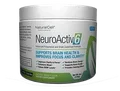
While a healthy diet provides a foundation, it can be difficult to consume all the targeted polyphenols and clinically studied nootropics needed for peak brain health. NeuroActiv6 is designed to fill this gap.
NeuroActiv6 is an organic superfood and nootropic powder formulated to boost BDNF levels and support cognitive reserve:
- BDNF Activation: Contains clinically studied fruit extracts shown to support healthy BDNF levels, helping build synaptic density.
- Cortisol Modulation: Features Sensoril® Ashwagandha, an adaptogen clinically shown to help manage cortisol levels and reduce daily stress.
- Synaptic Nourishment: Delivers Cognizin® Citicoline, a highly bioavailable form of choline that directly feeds the brain's acetylcholine pathways.
Recommended Daily Dosage and Preparation
The official protocol is to mix one scoop of NeuroActiv6 powder into 8 to 10 ounces of water or your favorite beverage once daily.
Because it is designed as a daily cognitive shield, consistency is key. Daily use ensures that the organic superfoods and nootropics remain active in your system, providing continuous protection and support.
Should You Take It Before or After Breakfast?
NeuroActiv6 is best consumed in the morning, immediately after breakfast.
The clinical nutrients inside the formula work synergistically with the carbohydrates and healthy fats from your breakfast to maximize absorption. Drinking it post-breakfast provides a steady, natural lift in mental clarity and focus without causing stomach sensitivity or caffeine-like jitters.
Expected Cognitive Benefits: The 90-Day Timeline
Building cognitive reserve and supporting brain health is a progressive process:
- Weeks 1-4 (Stress Regulation): Adaptogens begin to stabilize cortisol levels. Many users report feeling calmer, experiencing fewer afternoon energy slumps, and feeling more alert.
- Weeks 4-8 (Focus & Recall): BDNF levels support the stabilization of synaptic pathways. You may notice improvements in daily memory recall, attention span, and mental processing speed.
- Weeks 12+ (Structural Resilience): Synaptic density is supported. The brain achieves a state of balanced energy, making deep concentration easier and building a stronger foundation for long-term cognitive health.
For double-action brain support, pairing the systemic antioxidant shield of NeuroActiv6 with the targeted nootropic bioenergetics of BrainAMP provides the ultimate daily cognitive protocol.
#### Are There Any Side Effects or Contraindications?
NeuroActiv6 is a clean, non-GMO, allergen-free formula. However, you should consult your healthcare provider before use if you:
- Are pregnant or nursing.
- Are under the age of 18.
- Are taking prescription medications, especially for thyroid or blood pressure management.
#### Where to Secure the Genuine Laboratory Formula?
To guarantee you receive the 100% authentic, factory-direct formula, always order through the official manufacturer link provided on the PuresuppHub directory. This ensures your purchase is protected by the manufacturer's official 60-day money-back guarantee.
Why Brain And Nervous System Needs Daily Support
Cognitive function depends on a delicate balance of neurotransmitters and consistent neuronal signaling. As these systems become disrupted by aging, oxidative stress, or poor nutrition, memory and focus begin to decline noticeably.
Understanding this biological process helps explain why targeted daily support - not just isolated dietary improvements - is necessary for consistent results.
How Neurotransmitter Balance Works
The brain maintains sharp function through the efficient production of acetylcholine, dopamine, and BDNF. When nutritional deficiencies or oxidative damage interfere with these pathways, cognitive speed and memory consolidation are the first systems to suffer.
This mechanism explains why the biological factors discussed in this article are not merely lifestyle suggestions but represent the foundational drivers of long-term brain health.
Scientific References & Validation
Full citations with PMID links, methodology notes & evidence ratings on puresupphub.com