The lymphatic system is a vast network of vessels, nodes, ducts, and organs that plays a critical role in the body's immune defense and fluid balance. Unlike the circulatory system, which relies on the heart to pump blood, the lymphatic system is a passive, one-way vascular system that relies on skeletal muscle contraction, deep breathing, and internal one-way valves to transport lymph—a clear fluid containing white blood cells, proteins, lipids, and cellular waste products. As lymph travels through the lymphatic vessels, it passes through hundreds of lymph nodes, which act as biological filtering stations.
The Pathophysiology of Lymphatic Immune Defense
The lymphatic system is a vast network of vessels, nodes, ducts, and organs that plays a critical role in the body's immune defense and fluid balance. Unlike the circulatory system, which relies on the heart to pump blood, the lymphatic system is a passive, one-way vascular system that relies on skeletal muscle contraction, deep breathing, and internal one-way valves to transport lymph - a clear fluid containing white blood cells, proteins, lipids, and cellular waste products. As lymph travels through the lymphatic vessels, it passes through hundreds of lymph nodes, which act as biological filtering stations.
Within the lymph nodes, specialized immune cells, including lymphocytes (B cells and T cells), macrophages, and Natural Killer (NK) cells, stand guard. These cells scan the passing lymph for foreign antigens, cellular debris, compromised cells, and active viruses.
NK cells are a vital component of the innate immune system. Unlike T cells, which require antigen-specific activation and memory priming, NK cells can identify and destroy compromised cells without prior exposure. They scan cell surfaces for major histocompatibility complex (MHC) class I molecules.
If a cell downregulates its MHC-I expression (a common survival mechanism of compromised cells), the NK cell identifies it as "non-self." It binds to the target and releases cytotoxic granules containing perforin and granzymes, which punch holes in the cell membrane and trigger apoptosis.
To maintain robust immune defense, clinical protocols must focus on supporting lymphatic circulation and optimizing NK cell activation.
Botanical Immunomodulators and NK Cell Cytotoxicity
Sustaining the activation and cytotoxicity of Natural Killer cells requires a consistent supply of bioactive immunomodulators. These natural compounds bind to receptors on the surfaces of immune cells, triggering intracellular signaling cascades that enhance their activity:
Moringa Oleifera (Moringa)
Standardized leaf extracts of Moringa oleifera are rich in bioactive isothiocyanates (such as moringinin), polyphenols, and essential minerals (including iron and zinc). Isothiocyanates have been shown to modulate the activity of nuclear factor erythroid 2-related factor 2 (Nrf2) - the master regulator of antioxidant defense. By reducing cellular oxidative stress, moringa extracts protect NK cells from lipid peroxidation, preserving their membrane integrity and cytotoxic function during immune challenges.
Green Tea Extract (EGCG)
Epigallocatechin gallate (EGCG), the primary polyphenol in green tea, is a potent immunomodulatory agent. Studies show EGCG enhances the production of interleukin-2 (IL-2) and interferon-gamma (IFN-γ) - cytokines that stimulate NK cell proliferation and activity. EGCG also supports endothelial health, helping immune cells migrate from the bloodstream into the lymphatic tissues.
Chlorophyllin and Spirulina
Algae-derived greens (such as spirulina and chlorella) contain high concentrations of chlorophyllin, a water-soluble derivative of chlorophyll. Chlorophyllin acts as a natural chelator, binding to heavy metals and toxins in the digestive tract to reduce systemic toxic load. This helps free up the lymphatic system's filtering capacity. Furthermore, spirulina polysaccharides have been shown to stimulate the activity of macrophages and NK cells, enhancing immune surveillance throughout the body.
The Natural Killer Cell Initiation Stages
To understand how botanical immunomodulators support the immune response, we can trace the process of NK cell activation and cytotoxic defense:
The Natural Killer Cell Initiation Stages
Lymphatic Drainage
Lymph fluid transports cellular antigens and pathogens to filtering nodes, prompting exposure.
MHC-I Scanning
NK cell receptors scan target cell surfaces. Lack of MHC-I molecules triggers cytokine release.
Granule Exocytosis
Perforin and granzymes punch target membranes, initiating selective apoptosis of compromised cells.
By ensuring steady lymphatic drainage and supplying immunomodulatory cofactors, we optimize the activation of NK cells. This leads to efficient target recognition and cytotoxic granule release, clearing compromised cells and preserving tissue integrity.
Lymphatic Drainage and Toxin Clearance
A stagnant lymphatic system compromises the immune response. If lymph flow slows, waste products and toxins build up in the tissues, triggering chronic low-grade inflammation that exhausts immune cells. Because the lymphatic system lacks a central pump, maintaining flow relies on movement, hydration, and key vascular-supportive nutrients:
- Enhance Lymphatic Perfusion: Hydration and natural organic acids (such as malic acid and citric acid) help thin the lymph fluid, reducing its viscosity so it can flow more easily through the lymphatic capillaries.
- Support Lymph Vessel Tone: Standardized bioflavonoids (like quercetin and rutin) help reinforce the walls of the lymphatic vessels, preventing fluid leakage and supporting the rhythmic contractions of the lymphangions - the muscular units that pump lymph.
- Optimize Gut-Associated Lymphoid Tissue (GALT): Over 70% of the body's immune system resides in the gut-associated lymphoid tissue (GALT) located in the lining of the small intestine. Introducing prebiotic fibers and clean green superfoods supports the gut microbiome, which communicates with the GALT to coordinate systemic immune responses and reduce local inflammation.
- Promote Lymph Node Filtration: Antioxidants (like vitamin C and selenium) support the metabolic activity of macrophages inside the lymph nodes, helping them clear debris and pathogens from the filtered lymph more efficiently.
Gut-Associated Lymphoid Tissue (GALT) and Systemic Immunity
The gut-associated lymphoid tissue (GALT) represents the largest accumulation of lymphoid tissue in the human body, housing approximately 70% of our active immune cells. It is organized into specialized structures called Peyer's patches, which are embedded in the submucosa of the small intestine. The GALT acts as the primary interface between the external environment (dietary proteins and the gut microbiome) and the systemic immune system.
Beneficial commensal bacteria in the colon ferment prebiotic fibers to produce short-chain fatty acids (SCFAs), primarily butyrate, propionate, and acetate. These SCFAs serve as vital signaling molecules. They bind to free fatty acid receptors on epithelial cells and immune cells, promoting the differentiation of regulatory T cells (Tregs) and enhancing the cytotoxic capacity of NK cells.
When gut dysbiosis occurs - often caused by a diet high in processed sugars or exposure to environmental toxins - the mucosal barrier becomes compromised, leading to increased intestinal permeability (leaky gut). This allows bacterial lipopolysaccharides (LPS) to escape into the bloodstream, triggering systemic endotoxemia.
The lymphatic system must work overtime to clear these circulating endotoxins, draining resources away from active immune surveillance. Supporting the gut-microbiome axis through targeted greens and prebiotics is therefore essential to maintain the GALT's immune responsiveness and keep NK cells primed for defense.
Sourcing Vetted Immune Support Formulations
Because the delicate chlorophyllin, EGCG, and botanical extracts required to support NK cell activation are highly sensitive to thermal degradation, sourcing directly from verified laboratory checkouts is critical:
Comprehensive Superfood and Antioxidant Saturation
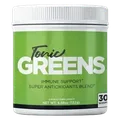
To support systemic toxin clearance and NK cell activation, TonicGreens delivers a clinical blend of over 57 green superfoods, standardized polyphenols, organic extracts, and active probiotics. Sourcing TonicGreens directly from the manufacturer portal guarantees a temperature-controlled chain of custody, preserving the delicate antioxidant enzymes and live probiotic cultures from heat-induced potency loss.
Standardized Botanical Immunomodulation
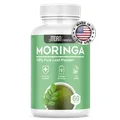
For concentrated cellular protection, Pure Moringa delivers a clinical dose of pure Moringa oleifera leaf extract. Sourcing Pure Moringa directly from the verified laboratory ensures you receive a fresh, highly potent batch where active isothiocyanates have not oxidized, protecting their ability to support Nrf2 antioxidant defense.
The Immune Supplement Vetting Checklist
To protect your immune health and ensure your daily protocol utilizes authentic, clinical-grade formulations, apply this strict vetting checklist to every purchase:
- Demand Standardized Bioactives: Reject supplements that list plant powders without specifying the active markers (e.g., Moringa standardized to polyphenols or isothiocyanates).
- Verify Low-Temperature Processing: For green powders, ensure the manufacturer uses low-temperature dehydration processes. High-heat spray drying destroys active chlorophyllin and antioxidant enzymes.
- Confirm cGMP Compliance: The product must be manufactured in a facility holding third-party Good Manufacturing Practices certification to guarantee it is free from heavy metals and contaminants.
- Buy Laboratory Direct: Avoid buying immune supplements from unverified third-party marketplaces. Poor storage in unconditioned warehouses degrades delicate botanical extracts and reduces their biological efficacy.
By implementing this vetting protocol, you can safely navigate the supplement market and secure authentic, clinical-grade immunomodulators to support your natural killer cells and lymphatic defense.
Scientific References & Validation
Full citations with PMID links, methodology notes & evidence ratings on puresupphub.com