If you spend more than four hours a day staring at a computer, laptop, or smartphone, you’ve likely experienced the signs of screen fatigue. Aching eyes, dry or watery vision, mild headaches, and difficulty focusing on distant objects are all signs that your visual system is under constant, unnatural strain.
If you spend more than four hours a day staring at a computer, laptop, or smartphone, you’ve likely experienced the signs of screen fatigue. Aching eyes, dry or watery vision, mild headaches, and difficulty focusing on distant objects are all signs that your visual system is under constant, unnatural strain.
When staring at a screen, your blink rate drops by up to 50%, leading to rapid tear film evaporation and dry eyes. Furthermore, focusing at a fixed distance for hours keeps your ciliary muscles tightly contracted without rest, leading to fatigue that affects your entire nervous system.
Fortunately, you can treat your eyes to a quick, relaxing break. Incorporating these three simple, desk-friendly eye exercises can relieve muscle tension, support natural moisture, and protect your vision.
Key Takeaways
- Blink Rate Drops: Staring at screens causes dry eyes by reducing natural blinking by half.
- Muscle Tension: Maintaining a fixed focus for hours keeps the eye muscles constantly flexed.
- Targeted Carotenoids: Eye muscles and retinas need internal antioxidants to buffer blue light stress.
3 Simple Eye Exercises to Do at Your Desk
1. The Palming Technique (30 Seconds)
Palming helps relax the ciliary muscles and nerve endings around the eyes, blocking out all light stimulus to allow the visual cortex to rest.
How to do it: Rub your hands together vigorously for 10 seconds to generate heat. Close your eyes and gently cup your warm palms over them, ensuring your hands do not press directly on your eyeballs. Breathe deeply and enjoy the dark, warm rest for 30 seconds.2. The Near-Far Focus Shift (1 Minute)
This exercise trains the flexibility of your eye lenses, stretching the focus muscles that get locked into a single screen distance.
How to do it: Hold your thumb about 10 inches in front of your face and focus on it for 10 seconds. Then, shift your gaze to an object at least 20 feet away (like a window or wall clock) and focus on it for 10 seconds. Alternate back and forth five times.3. The Controlled Blinking Drill (30 Seconds)
Blinking pumps the meibomian glands in your eyelids, releasing the natural oils needed to prevent tears from evaporating too quickly.
How to do it: Close your eyes fully, hold for two seconds, then open them and blink rapidly five times. Repeat this sequence five times. This acts as a manual reset for your eye’s tear film, immediately soothing dry patches.Shielding Your Eyes from the Inside Out
While physical exercises help relax tired eye muscles, they cannot protect the delicate cells of your retina from the constant oxidative damage caused by high-energy blue light emitted by screens.
To build a robust defense, consider integrating targeted visual nutrients.
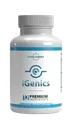
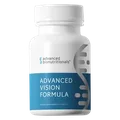
A daily serving of iGenics provides critical carotenoids like Lutein, Zeaxanthin, and Bilberry extract, which act as natural "internal sunglasses" to filter out harmful blue light wavelengths. For advanced defense against age-related macular wear, Advanced Vision Formula offers a clinical complex of antioxidants designed to nourish retinal blood vessels and support optimal visual acuity under heavy screen use.
Taking a few minutes to exercise your eyes and feeding them the right nutrients can preserve your visual clarity and prevent screen fatigue from slowing you down.
Why Ocular And Vascular System Needs Daily Support
Age-related macular degeneration (AMD) begins with oxidative damage to photoreceptor cells decades before visual symptoms emerge. UV exposure, blue light from screens, and systemic inflammation all accelerate this cellular deterioration.
Understanding this biological process helps explain why targeted daily support is necessary for consistent results.
How Retinal Antioxidant Protection Works
The macula has the highest metabolic activity and oxygen demand in the body. Lutein and zeaxanthin accumulate in the macular pigment layer, acting as biological blue-light filters and antioxidants that protect retinal photoreceptors from oxidative damage.
This mechanism explains why the biological factors discussed in this article represent the foundational drivers of long-term ocular health.
Scientific References & Validation
Full citations with PMID links, methodology notes & evidence ratings on puresupphub.com