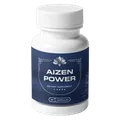
As men cross the threshold of 50, they face a double-edged hormonal sword: energy levels, muscle mass, and libido decline, while the risk of prostate enlargement (BPH) spikes. This clinical audit analyzes verified pharmacology, active botanical standardized extracts, safety profiles, and published scientific literature in Prostate Health.
As men cross the threshold of 50, they face a double-edged hormonal sword: energy levels, muscle mass, and libido decline, while the risk of prostate enlargement (BPH) spikes.
At the center of this age-related hormonal shift is a protein called Sex Hormone-Binding Globulin (SHBG). Understanding how to modulate SHBG is the key to restoring youthful free testosterone levels without feeding the DHT conversion that drives prostate enlargement.
The Role of SHBG: The Testosterone Cage
Testosterone circulates in the male bloodstream in three forms:
- SHBG-bound Testosterone (about 60%): Bound tightly to the SHBG protein. This testosterone is inactive and cannot enter cells to perform its functions.
- Albumin-bound Testosterone (about 38%): Weakly bound to albumin. This is considered bioavailable.
- Free Testosterone (about 2%): Completely unbound and active.
As men age, their absolute production of testosterone declines, but their liver's production of SHBG increases. This means a larger percentage of their remaining testosterone is locked up and unusable. The result is chronic fatigue, mood disturbances, and reduced physical drive - even if total testosterone tests appear normal.
The Prostate Connection: Estrogen and SHBG
An increase in SHBG doesn't just lower free testosterone; it also alters the estrogen-to-androgen ratio in the pelvic floor.
SHBG has a high binding affinity for testosterone, but it also binds to estradiol (estrogen). As testosterone becomes locked up, the relative amount of free estrogen interacting with receptors on the outer layer (stroma) of the prostate increases. This estrogen dominance stimulates the cells of the prostate gland to multiply, initiating benign prostatic hyperplasia (BPH).
Furthermore, when SHBG binds to specific receptors on the membrane of prostate cells, it can trigger an intracellular cascade that promotes growth, even in the absence of free hormones.
Modulating SHBG Safely
The objective is to gently lower or inhibit excess SHBG binding so that more testosterone remains in its active "free" state, while protecting the prostate from DHT conversion.
* Stinging Nettle Root (Urtica dioica): Nettle root contains specific compounds called lignans (such as secoisolariciresinol). Lignans bind to SHBG in place of testosterone. By occupying the binding sites on the SHBG protein, nettle root prevents it from grabbing testosterone, effectively liberating more free, active testosterone into the bloodstream.
* Tongkat Ali (Eurycoma longifolia): Clinical studies show that Tongkat Ali helps reduce SHBG levels directly while stimulating the Leydig cells to produce more endogenous testosterone.
* Zinc and Magnesium: Essential minerals that physically interfere with the binding affinity between SHBG and testosterone.
Dynamic Balance
By combining SHBG-binding agents like Stinging Nettle Root with natural 5-alpha-reductase inhibitors like Saw Palmetto, men can safely optimize their hormonal profile.
This dual-action approach increases free testosterone for energy and mood, while preventing that free testosterone from converting into DHT within the prostate capsule. Formulations like Aizen Power and ViriFlow utilize this exact synergistic philosophy, restoring youthful vitality without putting prostate health at risk.
Scientific References & Validation
Full citations with PMID links, methodology notes & evidence ratings on puresupphub.com