We have all experienced it: sitting down for a nutritious meal, only to feel an uncomfortable, heavy fullness in our stomach just minutes after finishing. This sluggish sensation is often accompanied by bloating, gas, and a total lack of energy. While many people reach for antacids or carbonated drinks, the root cause of post-meal discomfort is usually slow gastric motility—meaning your stomach is taking too long to empty its contents into the small intestine.
We have all experienced it: sitting down for a nutritious meal, only to feel an uncomfortable, heavy fullness in our stomach just minutes after finishing. This sluggish sensation is often accompanied by bloating, gas, and a total lack of energy. While many people reach for antacids or carbonated drinks, the root cause of post-meal discomfort is usually slow gastric motility - meaning your stomach is taking too long to empty its contents into the small intestine.
Your digestive tract relies on a highly coordinated electrical and muscular system governed by the vagus nerve. When the vagus nerve is stimulated, it signals your stomach to secrete digestive enzymes and contract rhythmically, pushing food forward. However, stress, rushing, and static posture can suppress this vagal signal, leaving food to sit and ferment in your stomach - creating what clinical nutritionists call "digestive sludge."
Fortunately, by stimulating a specific acupressure point, you can activate your vagus nerve, accelerate gastric emptying, and eliminate bloating in seconds.
Key Takeaways
- The Vagal Connection: Your brain and gut communicate continuously. Stimulating specific sensory nerves can trigger reflex contractions in the stomach.
- Enzyme Dilution: Drinking large amounts of ice water during meals dilutes stomach acid, slowing down protein digestion and delaying gastric transit.
- The ST36 Point: Known as the "Point of a Hundred Diseases," stimulating this area is clinically shown to increase stomach contractions and enzyme output.
3 Habits to Speed Up Digestion
1. Stimulate the "Zusanli" (ST36) Acupressure Point
Acupressure leverages neural pathways to influence organ function. The ST36 point connects directly to the nerve pathways that regulate digestive motility.
The Routine: Locate the point: sit down and place your hand on the outer side of your leg, four finger-widths below your kneecap, just outside the shinbone. Apply firm, circular pressure with your thumb for 30 seconds. You may feel a slight, dull ache. This stimulation triggers a neural reflex that activates the vagus nerve, promoting stomach contractions and accelerating the release of digestive enzymes to move food along.2. Implement the Post-Meal Liquid Pause
Stomach acid and digestive enzymes require a highly concentrated, acidic environment to break down food. Flooding your stomach with cold liquids disrupts this process.
The Tweak: Avoid drinking large glasses of water, soda, or iced tea during your meals or for 30 minutes afterward. If you feel thirsty, take small sips of warm water or ginger tea. This preserves the concentration of your digestive juices, allowing your stomach to break down food rapidly and empty itself efficiently.3. Practice Post-Meal Diaphragmatic breathing
When you sit hunched over a desk after eating, you physically compress your stomach and intestines, restricting blood flow and blocking natural gut contractions.
The Habit: After finishing a meal, sit up straight and take 5 slow, deep diaphragmatic breaths. Inhale through your nose, letting your belly expand outward, then exhale slowly through your mouth. This movement acts as a gentle internal massage for your digestive organs, increases oxygen delivery to your gut lining, and signals your nervous system to shift into a relaxed, digestive state.Advanced Digestive Reconstitution and Gut Health
While acupressure stimulation and breathing techniques are excellent for relieving acute post-meal bloating, resolving chronic digestive sluggishness requires restoring your gut's microbial balance and rebuilding the intestinal lining.
To support your digestive health from the inside out:
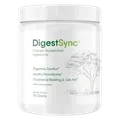
Taking DigestSync daily helps eliminate digestive sludge. Powered by a targeted matrix of active digestive enzymes and select botanicals, DigestSync helps pre-digest food, supports natural Gastrin hormone secretion, and ensures your stomach empties quickly and comfortably after every meal.
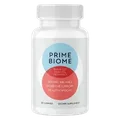
To complement this digestive speed, taking PrimeBiome daily repopulates your intestinal tract with beneficial bacterial strains. This high-potency probiotic formula reinforces your gut barrier, neutralizes harmful pathogens, and reduces the low-grade systemic inflammation that slows down natural gut motility.
By combining active nerve stimulation, mindful hydration, and advanced digestive support, you can enjoy your meals and live with energy.
How Gut Microbiome Balance Works
Beneficial gut bacteria produce short-chain fatty acids (SCFAs) including butyrate, which nourishes colonocytes, strengthens the intestinal barrier, and signals anti-inflammatory pathways systemically. Low SCFA production is a key driver of increased intestinal permeability.
This mechanism explains why the biological factors discussed in this article are not merely lifestyle suggestions but represent the foundational drivers of long-term digestive health.
Scientific References & Validation
Full citations with PMID links, methodology notes & evidence ratings on puresupphub.com