Inside virtually every one of the 37 trillion cells that compose the human body reside hundreds to thousands of microscopic organelles known as mitochondria. Often designated as the "cellular power plants," mitochondria are responsible for generating over 90% of total cellular adenosine triphosphate (ATP)—the universal chemical energy currency that powers heartbeat contraction, neural synaptic firing, and muscle movement.
Inside virtually every one of the 37 trillion cells that compose the human body reside hundreds to thousands of microscopic organelles known as mitochondria. Often designated as the "cellular power plants," mitochondria are responsible for generating over 90% of total cellular adenosine triphosphate (ATP) - the universal chemical energy currency that powers heartbeat contraction, neural synaptic firing, and muscle movement.
However, the very process of generating life-sustaining energy carries an inevitable biological penalty. As electrons traverse the mitochondrial Electron Transport Chain (ETC), approximately 1% to 3% of electrons inevitably leak from the respiratory complex, reacting prematurely with molecular oxygen to produce superoxide (O2•-) and reactive oxygen species (ROS).
Over decades of life, this relentless metabolic "exhaust" inflicts severe cumulative damage on the delicate lipid membranes and mitochondrial DNA (mtDNA) of aging cells. The resulting state of mitochondrial decay is now recognized as a primary hallmark of human biological aging, directly precipitating chronic physical fatigue, neuro-cognitive decline, and cardiovascular vulnerability.
To halt this progressive decline, the cell requires specialized, membrane-penetrating antioxidants capable of crossing into the mitochondrial matrix. In modern cellular biology, the two most pharmacologically essential molecules for this task are Coenzyme Q10 (CoQ10) and Alpha-Lipoic Acid (ALA).
The Electron Transport Chain: CoQ10 as the Essential Metabolic Shuttle
To understand why CoQ10 is non-negotiable for vitality, we must examine the biochemistry of ATP synthesis. Within the inner mitochondrial membrane, cellular respiration takes place across four multi-protein complexes (Complexes I, II, III, and IV).
Coenzyme Q10 (Ubiquinone / Ubiquinol) is a fat-soluble benzoquinone molecule featuring a polyisoprenoid side chain:* The Electron Ferry: CoQ10 functions as the indispensable mobile electron carrier. It accepts electrons generated from dietary carbohydrates and fats at Complex I (NADH dehydrogenase) and Complex II (succinate dehydrogenase), and transports them across the lipid bilayer to Complex III (cytochrome bc1 complex).
* The ATP Synthesis Cascade: This electron transfer drives protons across the inner membrane into the intermembrane space, creating a massive electrochemical proton gradient. As protons flow back through ATP Synthase (Complex V), the enzyme rotates like a microscopic turbine, synthesizing ATP.
If intra-mitochondrial CoQ10 concentrations drop, the entire electron assembly line halts. Electron transfer slows, energetic ATP output plummets, and electron leakage surges, creating a vicious cycle of mitochondrial oxidative destruction.
The Progressive Age-Related Collapse of CoQ10
Endogenous CoQ10 synthesis follows a predictable degenerative trajectory across the human lifespan:
* The Myocardial Deficit: Tissue biopsy studies demonstrate that by age 40, cardiac CoQ10 concentrations drop by approximately 30%. By age 70 to 80, myocardial tissue CoQ10 levels collapse by up to 50% to 75% compared to youthful 20-year-old baselines.
* The Statin-Induced Depletion: Millions of adults take HMG-CoA reductase inhibitors (statins) to manage cholesterol. However, the pharmacological target of statins lies in the mevalonate pathway - the identical biochemical highway used to synthesize both cholesterol and endogenous CoQ10. Consequently, statin therapy suppresses circulating and muscular CoQ10 levels by 30% to 40% within weeks, directly contributing to statin-associated muscle symptoms (SAMS), severe physical cramping, and mitochondrial myopathy.
Alpha-Lipoic Acid: The Universal Amphipathic Antioxidant
While CoQ10 operates exclusively within the lipophilic interior of mitochondrial membranes, Alpha-Lipoic Acid (ALA) provides a complementary biological capability that has earned it the scientific title of the "Universal Antioxidant."
Most biological antioxidants are strictly limited by their solubility:
* Vitamin C is purely water-soluble (hydrophilic), operating only in aqueous cytosolic fluid and extracellular plasma.
* Vitamin E and beta-carotene are purely fat-soluble (lipophilic), restricted to cellular lipid membranes.
Alpha-Lipoic Acid is amphipathic - soluble in both water and lipids. This unique molecular geometry allows ALA and its reduced form, Dihydrolipoic Acid (DHLA), to travel anywhere in the body, easily crossing both the Blood-Brain Barrier and the double-membraned mitochondrial envelope.
The Master Antioxidant Recycler
Inside the cell, DHLA acts as an electron donor, executing a vital biological recycling service:
- It donates electrons to neutralized, spent Vitamin C, converting it back into active ascorbic acid.
- It regenerates oxidized Vitamin E inside cell membranes.
- It stimulates the cellular de novo synthesis of Glutathione - the cell's master intracellular detoxifier - elevating intracellular glutathione reserves by 30% to 70%.
Furthermore, ALA serves as an indispensable enzymatic cofactor for the pyruvate dehydrogenase complex, ensuring that carbohydrates are efficiently converted into Acetyl-CoA to fuel the Krebs cycle rather than being diverted into inflammatory advanced glycation end-products (AGEs).
Clinical Trial Evidence: Cardiovascular Survival and Neurological Protection
The therapeutic efficacy of combining CoQ10 and mitochondrial cofactors is supported by landmark multi-year randomized controlled trials:
1. The Landmark Q-SYMBIO Multicenter Trial (Mortensen et al., 2014)
In a rigorous multicenter, randomized, double-blind, placebo-controlled trial published in the Journal of the American College of Cardiology: Heart Failure (PMID: 25282031 ↗), researchers evaluated 420 patients with chronic moderate-to-severe heart failure over a 2-year intervention window:
- Intervention: Patients received 100 mg of CoQ10 three times daily (300 mg/day) or a matched placebo, in addition to standard cardiovascular therapy.
- Cardiovascular Survival: The CoQ10 cohort achieved a statistically significant 43% reduction in Major Adverse Cardiovascular Events (MACE) (p = 0.003).
- Mortality Reduction: Cardiovascular mortality was reduced by 44% (9% in CoQ10 vs 16% in placebo, p = 0.026), and all-cause hospitalization rates dropped significantly. CoQ10 demonstrated zero adverse interaction with frontline cardiovascular pharmaceuticals.
2. The KiSel-10 12-Year Longevity Cohort (Alehagen et al., 2013 & 2018)
In a seminal 5-year double-blind, randomized, placebo-controlled study published in the International Journal of Cardiology (PMID: 22626835 ↗), 443 elderly community members (aged 70 to 88) received 200 mg/day of CoQ10 combined with selenium:
- Cardiovascular Mortality: Long-term follow-up revealed a 54% reduction in cardiovascular mortality in the active group (p = 0.001).
- Sustained Protection: A 12-year follow-up analysis published in PLOS ONE confirmed that the protective longevity and cardiac biomarker improvements persisted years after the active supplementation period concluded.
3. Alpha-Lipoic Acid and Mitochondrial Neuropathy (Ziegler et al., 2006)
In the multicenter SYDNEY 2 randomized double-blind trial published in Diabetes Care (PMID: 17065669 ↗), 181 patients suffering from peripheral nerve deterioration received oral Alpha-Lipoic Acid daily:
- Neurological Symptom Relief: Supplementation with 600 mg/day of ALA produced a statistically significant 52% reduction in Total Symptom Scores (TSS) (burning pain, numbness, and paresthesias) by neutralizing intra-neural free radicals and restoring microvascular blood flow to peripheral nerve endings.
Comparative Evidence Matrix: Mitochondrial Antioxidants
| Molecular Compound | Solubility / Tissue Penetration | Primary Metabolic Role | Documented Clinical Outcome | Key Scientific Reference |
|---|---|---|---|---|
| Coenzyme Q10 (Ubiquinone/Ubiquinol) | Lipophilic (Membrane-bound) | ETC Electron Shuttle (Complexes I/II to III) | 43% lower MACE rate; 44% lower cardiac mortality | Mortensen et al., JACC Heart Fail (PMID: 25282031 ↗) |
| R-Alpha Lipoic Acid (R-ALA) | Amphipathic (Lipid & Water) | Master antioxidant recycler; Pyruvate dehydrogenase | 52% reduction in neuropathy score; +30-70% Glutathione | Ziegler et al., Diabetes Care (PMID: 17065669 ↗) |
| Generic Synthetic Vitamin C | Hydrophilic only | Extracellular cytosolic buffering | Rapid urinary excretion (<4 hours) | General baseline support |
| Untreated Aging Control | Declining cellular cofactors | Progressive cardiolipin peroxidation | 50% to 75% cardiac CoQ10 drop; accelerated cellular fatigue | Harman Free Radical Theory |
Expected Clinical Response Timeline
Restoring cellular energy substrates produces distinct, progressive physiological phases:
* Weeks 1 to 2 (Mitochondrial Recharge): Immediate replenishment of the inner membrane ubiquinone pool. Cellular ATP synthesis increases, eliminating the profound mid-afternoon energy slump and reducing exercise-induced muscular heaviness.
* Weeks 4 to 6 (Antioxidant Network Recycling): Sustained intracellular glutathione regeneration by alpha-lipoic acid neutralizes lipid peroxides. Cognitive clarity sharpens, and morning physical stiffness subsides as systemic oxidative stress drops.
* Weeks 8 to 12+ (Cardiovascular & Tissue Resilience): Optimal tissue concentrations achieved in high-energy organs (heart and brain). Measurable improvements in physical stamina, enhanced cardiovascular reserve during exertion, and accelerated recovery from physical and mental stress.
Clinical Takeaway
Chronic fatigue and physical decline are not unavoidable consequences of chronological aging; they are direct symptoms of mitochondrial bioenergetic failure and unchecked oxidative stress.
By combining:
CoQ10
Mitochondrial ATP Fuelto restore the Electron Transport Chain and power ATP synthesis.
Alpha-Lipoic Acid
Lab Verified Activeto recycle endogenous antioxidant defenses and shield mitochondrial DNA from free radical decay.
Aging cells can break the cycle of mitochondrial burnout and reclaim youthful metabolic power.
Clinical Recommendation
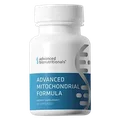
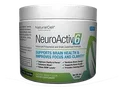
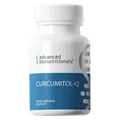
For individuals navigating persistent physical exhaustion, age-related stamina decline, or statin-induced muscle fatigue, the PuresuppHub Editorial Desk highlights Advanced Mitochondrial Formula. Engineered with high-potency, bioavailable CoQ10 and Alpha-Lipoic Acid, it pairs synergistically with NeuroActiv6 for brain-specific antioxidant support and Curcumitol to extinguish chronic systemic cellular inflammation.
Scientific References & Validation
Full citations with PMID links, methodology notes & evidence ratings on puresupphub.com