The human brain is a metabolic powerhouse. Despite accounting for only 2% of total body weight, it consumes roughly 20% of the body's energy. This intense metabolic activity generates a massive amount of toxic cellular byproducts. This clinical audit analyzes verified pharmacology, active botanical standardized extracts, safety profiles, and published scientific literature in Cognitive & Brain Health.
The Brain's Waste Management Problem
The human brain is a metabolic powerhouse. Despite accounting for only 2% of total body weight, it consumes roughly 20% of the body's energy. This intense metabolic activity generates a massive amount of toxic cellular byproducts.
In the rest of the body, metabolic waste is cleared by the lymphatic system. However, the brain is isolated behind the blood-brain barrier and lacks traditional lymphatic vessels. For decades, neuroscientists were baffled: how does the brain get rid of its trash?
The answer, discovered relatively recently, is the Glymphatic System - a macroscopic waste clearance system that is almost entirely dependent on deep sleep.
How the Glymphatic System Works
The glymphatic system utilizes the brain's Cerebrospinal Fluid (CSF) to literally "wash" the brain tissue.
- Glial Cell Channels: The system is managed by astroglial cells, which form a network of channels around the brain's blood vessels (perivascular spaces). These cells possess specialized water channels called Aquaporin-4 (AQP4).
- The Nightly Flush: During wakefulness, the glymphatic system is largely inactive. However, when the brain enters Deep Sleep (Slow-Wave Sleep), something remarkable happens. The glial cells physically shrink by up to 60%.
- Convective Flow: This shrinkage dramatically opens up the interstitial spaces between neurons. CSF rushes into the brain tissue, sweeping through the interstitial spaces like a high-pressure hose, washing away toxic metabolic byproducts, and flushing them out into the systemic circulation to be filtered by the liver.
Clearing the Pathogens of Dementia
The most critical function of the glymphatic system is the clearance of Amyloid-Beta and Tau proteins. These are the exact neurotoxic proteins that misfold, aggregate, and form the plaques and tangles characteristic of Alzheimer's disease and other forms of dementia.
Clinical studies demonstrate that amyloid-beta clearance is highly correlated with sleep depth. Just one night of severe sleep deprivation leads to a measurable spike in amyloid-beta burden in the brain. Chronic lack of deep sleep ensures that these toxins accumulate year after year, slowly suffocating healthy neurons.
Clinical Takeaway
Deep sleep is not a luxury; it is a non-negotiable biological necessity for the physical maintenance of the brain. If you do not achieve deep sleep, your brain cannot clean itself.
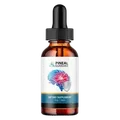
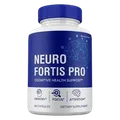
To protect against neurodegeneration, optimizing glymphatic clearance is paramount. Pineal Guardian is formulated to ensure the brain transitions rapidly into the Slow-Wave Sleep stages required for the glymphatic system to engage and the glial cells to shrink. By pairing this with neuroprotective formulas like NeuroFortis, you provide the brain with the antioxidants necessary to survive daytime metabolic stress, and the deep sleep necessary to wash away the toxic aftermath at night.
Scientific References & Validation
Full citations with PMID links, methodology notes & evidence ratings on puresupphub.com