For decades, the conventional medical narrative framed heart disease as a plumbing problem: too much cholesterol, clogged pipes. But the last 25 years of cardiovascular research have completely overturned this simplistic model. This clinical audit analyzes verified pharmacology, active botanical standardized extracts, safety profiles, and published scientific literature in Cardiovascular Health.
When Inflammation Attacks the Heart
For decades, the conventional medical narrative framed heart disease as a plumbing problem: too much cholesterol, clogged pipes. But the last 25 years of cardiovascular research have completely overturned this simplistic model.
The real architect of heart disease is not cholesterol - it is chronic inflammation.
The Difference Between Acute and Chronic Inflammation
Acute inflammation is your body's brilliant defense mechanism. You cut your finger; the area becomes red, swollen, and warm as the immune system floods the tissue with repair cells. Within days, the inflammation resolves and healing is complete.
Chronic inflammation is a completely different beast. It is a state of persistent, low-grade immune activation - not intense enough to feel, but constant enough to cause cumulative, irreversible damage over months and years. It is sometimes called the "silent fire" because it destroys tissue without triggering the obvious warning signs of acute inflammation.How Does Chronic Inflammation Attack the Cardiovascular System?
The process is insidious and multi-stage:
#### Stage 1: Endothelial Injury
The first target is the endothelium - the one-cell-thick lining of your blood vessels. Inflammatory signals (cytokines like TNF-α and IL-6) directly damage endothelial cells, making the vessel walls "sticky" and permeable. This is the crack in the fortress wall.
#### Stage 2: LDL Oxidation and Infiltration
Once the endothelial barrier is compromised, LDL cholesterol particles (particularly the small, dense variety) infiltrate the vessel wall. Here, they are oxidized by the inflammatory environment - a chemical change that makes them unrecognizable to normal cleanup mechanisms. The immune system sends macrophages to consume these oxidized LDL particles.
#### Stage 3: Foam Cell Formation and Plaque
The macrophages gorge on oxidized LDL until they become swollen, dysfunctional cells known as "foam cells." Accumulations of foam cells form the yellow, fatty streaks visible in early-stage atherosclerosis. Over time, smooth muscle cells migrate over these deposits, creating a hardened fibrous cap - this is a full atherosclerotic plaque.
#### Stage 4: Plaque Rupture and Cardiac Events
The most dangerous moment is not the gradual narrowing from plaque, but the sudden rupture of a vulnerable plaque. When the fibrous cap of an inflamed plaque tears, the fatty interior is exposed to the bloodstream. The body responds with emergency clotting - and this clot can completely block a coronary artery within seconds, causing a heart attack.
What Fuels Chronic Cardiovascular Inflammation?
Understanding the root causes empowers targeted prevention:
- Gut Dysbiosis: An imbalanced gut microbiome allows bacterial endotoxins (lipopolysaccharides/LPS) to leak into the bloodstream - a condition known as metabolic endotoxemia. LPS is one of the most potent activators of systemic inflammation.
- Visceral Adipose Tissue: Fat cells, particularly those surrounding the organs, actively secrete inflammatory cytokines. More abdominal fat means more chronic inflammatory signaling.
- Blood Sugar Instability: Repeated glycemic spikes trigger inflammatory cascades and accelerate the glycation of arterial collagen.
- Sleep Deprivation: Even one night of poor sleep significantly elevates inflammatory markers like CRP and IL-6.
The Anti-Inflammatory Cardiovascular Protocol
Protecting your heart from inflammation requires a multi-pronged approach targeting its root causes:
#### 1. Nitric Oxide Restoration
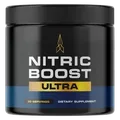
A healthy endothelium is the first line of defense against inflammation. Nitric Oxide naturally suppresses the expression of adhesion molecules on endothelial cells, preventing white blood cells and LDL from sticking to vessel walls. Maintaining robust NO production with targeted supplementation such as Nitric Boost Ultra is one of the most direct ways to protect the cardiovascular system from inflammatory damage.
#### 2. Antioxidant & Phytonutrient Load
Polyphenols and flavonoids from plant sources (Spirulina, Chlorella, berries, and green superfoods) directly neutralize inflammatory free radicals. A comprehensive formula like TonicGreens delivers 57+ of these bioactive compounds in a single daily serving, providing broad-spectrum anti-inflammatory coverage across every system.
#### 3. Gut Microbiome Restoration
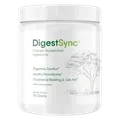
Since gut dysbiosis is a primary driver of systemic inflammation, restoring a healthy microbiome is a foundational cardiovascular strategy. A robust probiotic and enzyme complex like DigestSync directly targets the gut-inflammation axis, reducing LPS leakage and calming the systemic inflammatory response at its source.
The C-Reactive Protein (CRP) Marker You Need to Track
If you are serious about monitoring cardiovascular inflammation, ask your doctor for a high-sensitivity CRP (hsCRP) test. Unlike a standard lipid panel, hsCRP directly measures systemic inflammatory activity. An hsCRP below 1.0 mg/L indicates low cardiovascular risk; above 3.0 mg/L signals high risk even with "normal" cholesterol levels.
Conclusion
The new science is clear: heart disease is an inflammatory disease. Managing inflammation is not just a wellness trend - it is the most evidence-based strategy available for protecting your cardiovascular future. The invisible fire of chronic inflammation is burning right now in millions of people who have no idea. The question is whether you will choose to address it proactively.
Why Cardiovascular And Circulatory System Needs Daily Support
As vascular walls age, they experience a progressive loss of flexibility and nitric oxide production capacity, leading to impaired blood flow and arterial stiffening. Supporting these pathways early is crucial for long-term arterial resilience.
Understanding this biological process helps explain why targeted daily support - not just isolated dietary improvements - is necessary for consistent results.
How Endothelial Function Works
Healthy circulation relies on endothelial nitric oxide synthase (eNOS) to convert L-arginine into nitric oxide, promoting blood vessel dilation. When oxidative stress deactivates this enzyme, circulation compromises, and micro-plaque development accelerates.
This mechanism explains why the biological factors discussed in this article are not merely lifestyle suggestions but represent the foundational drivers of long-term cardiovascular health.
Scientific References & Validation
Full citations with PMID links, methodology notes & evidence ratings on puresupphub.com